

Building Systems
Health officials tap water management programs
New guidance from Health Canada urges multifamily landlords and condo corporations to implement water management programs to guard against microbial growth and chemical contaminant leaching.
Top energy efficiency upgrades for 2026
According to leading energy‑efficiency experts, existing building commissioning, electrification, and smart controls are among the key opportunities for building owners in 2026.

Ontario Fire Code updates for apartment owners
Effective January 1, 2026, significant updates to the Ontario Fire Code will impact how residential buildings are equipped, maintained, and operated.

A tailored approach to energy management
Buildings equipped with advanced energy management systems are more appealing to investors and buyers, and more comfortable for tenants.

Uptake in smart HVAC systems expected to rise
According to recent findings from ABI Research, smart HVAC adoption is expected to increase steadily thanks to its many proven benefits that include significant energy and cost savings.

Addressing potential water risks in older buildings
One way to ensure a building gets the best insurance rates is to lower its potential water risks by taking proactive steps to prevent damage and over-consumption.
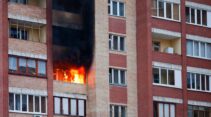
Navigating the Fire Code
Having a detailed Fire Safety Plan helps ensure the effective use of equipment, fire safety systems, and procedures to protect occupants should hazard strike.

The changing Canadian vehicle market
The Canadian vehicle market is changing at a rapid pace, with the projected sales for electric vehicles (EVs) forecast to rise dramatically to align with Canada's goals.

Retrofitting with heat pumps
Since 2019, retrofitting with heat pumps has been rising in popularity among Canadian REITs and large residential landlords looking to invest in cleantech.

Tax incentives key to driving housing innovation
As commercial finance conditions tighten, government tax incentives like SR&ED are becoming more important to the multifamily construction sector.

5 ways to mitigate losses from water damage
While climate change has increased the prevalence of weather-related floods, water damage due to plumbing and appliance failures happen daily—and sadly, they are often preventable.

The rising cost of multi-residential construction
Multi-residential construction costs are rising in Canada due to the pandemic’s impact on everything from labour and material costs to shifting supply and demand dynamics.

New fee model for Ontario elevator licenses
The flat license rate will penalize mid-rise and high-rise owners with extra costs if an elevator passes the periodic inspection and does not require a follow-up. It will be a bargain if just one follow-up inspection is required.
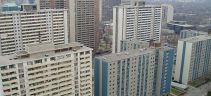
Investing in Canada’s aging residential towers
Aging residential towers are in dire need of investment, something the pandemic has underscored given the scores of frontline workers who’ve been disproportionately affected.

Air ventilation in multi-residential buildings
Achieving a healthy indoor environment begins with proper air ventilation, especially as buildings become more airtight. Kevin Smith explains the various systems available today.
Energy demand load shifts to residential base
The energy demand load has shifted in sync with much of Ontario’s workforce from commercial to home offices, prompting calls for suspension of time-of-use pricing during the current COVID-19 related upheaval
AI-driven energy management platforms
The apartment rental landscape is changing. Utility costs are rising, creating the need for improved energy management.