




As summer temperatures heat up across Canada, the debate over indoor cooling in rental housing has moved beyond comfort—it’s now a question of public safety, legal responsibility, and equitable access to livable conditions. Unlike heating, which is legally required in all provinces and territories, cooling remains absent from provincial tenancy laws. This legislative gap has come under scrutiny by tenant advocacy groups and several municipalities calling for reform.
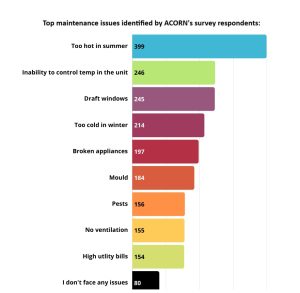 A 2025 ACORN report entitled “Crumbling Apartments in a Warming World”warns that outdated rental buildings without modern cooling infrastructure put tenants’ health and safety at risk, especially as climate change worsens heatwaves. In an online survey of more than 700 moderate- to low-income tenants, 54 per cent identified extreme summer heat as their primary maintenance issue. Vulnerable groups such as seniors, low-income renters, and those with chronic illnesses, face the greatest danger.
This was sadly evidenced in Montreal where record-breaking heat waves earlier this summer led to multiple fatalities, triggering a provincial review of housing regulations. Advocacy organizations are now pushing for the integration of mandatory cooling systems into federally funded retrofits and new construction.
In Ontario, similar concerns exist; however, the City of Toronto recently introduced a bylaw mandating that building-wide air conditioning systems operate from June 1 to September 30, ensuring indoor temperatures do not exceed 26°C. In buildings that lack centralized cooling systems, landlords are encouraged to implement strategic retrofits, introduce comprehensive emergency cooling protocols, and find ways to maintain safe and habitable conditions to lower the risk of heat-related illnesses among residents.
According to Joe Hoffer of Cohen Highley LLP, landlords and multi-residential property managers should stay up to date with evolving regulations and understand their responsibilities. Even though air conditioning isn’t a requirement, housing providers may face legal and reputational consequences if tenants suffer due to excessive heat. In other words, awareness of these liabilities—and proactive planning—has become an essential part of risk management.
“Retrofitting older buildings may be unfeasible, and window units can pose safety risks,” Hoffer noted, adding that there is an alternative. “In these cases, landlords and tenants can mutually agree to a rent increase under Section 123 of the Residential Tenancies Act. This arrangement allows the landlord to properly install an AC unit, transfer ownership to the tenant, and shift responsibility for its ongoing use and maintenance. If electricity costs are included in the rent, a monthly increase may also be negotiated to reimburse the landlord for the tenant’s additional energy consumption.”
For older buildings where in-suite installation is not possible, Hoffer says landlords may want to consider offering on-site cooling centres for vulnerable residents; otherwise, public buildings and community facilities may be the only practical fallback.
Western provinces
Though cooling is not mandated under BC’s Residential Tenancy Act, the 2024 update to the BC Building Code requires that new residential units include at least one living area that stays below 26°C. Municipalities like New Westminster are actively considering bylaws that enforce indoor temperature caps across existing housing stock.
Alberta currently requires landlords to meet minimum heating standards, but cooling remains unaddressed. Climate Justice Edmonton is pushing for more protections for renters who can’t afford AC units, especially as the province faces increasingly frequent heatwaves and wildfires. The group’s ongoing campaign, Right to be Cool, is advocating for a city bylaw that would set a maximum temperature of 26°C in apartment units and subsidized housing.
Current best practices
Even in provinces without mandated cooling, landlords still bear considerable responsibility. To mitigate risk and support tenant well-being, the following steps are recommended to safeguard against litigation:
- Review lease agreements: If air conditioning is included, ensure it’s operational, regularly maintained, and clearly defined in rental terms.
- Explore retrofit options: Passive upgrades—such as reflective roofs, solar-control window glazing, or strategic landscaping—can offer cost-effective cooling benefits.
- Monitor regulatory changes: Stay abreast of municipal bylaws and provincial codes. As the climate crisis deepens, regulations are evolving rapidly.
- Prioritize vulnerable tenants: Seniors, those with disabilities, and low-income renters face the greatest risks. BC Hydro’s free AC program for vulnerable groups sets a strong precedent worth emulating nationwide.
Many argue that air conditioning is no longer just a sought-after amenity in Canadian rental housing—it’s a public health imperative. By investing in thoughtful retrofits, crafting responsive lease policies, and preparing for emergencies, rental property owners can ensure safe, livable environments for all tenants while staying ahead of growing regulatory pressure.