

Environmental Management

Reaching net zero in the age of COVID-19
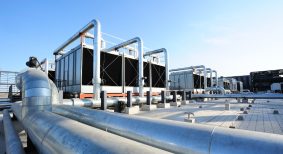
Optimizing ventilation and air handling systems is key to achieving net zero energy performance goals.

Indigenous voices hushed in planning processes
Indigenous communities across Canada continue to be sidelined or completely excluded from initial planning phases of new developments and renovations.
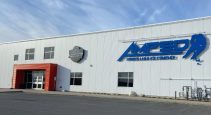
Ottawa hockey facility a zero carbon first
How AMPED Sports Lab and Ice Complex in Ottawa, Ontario, became the first Zero Carbon Building Performance Standard certified arena.

Pandemic intensifies evolving role of FM
Facility managers are no longer viewed as a back-office function, but rather “a strategic instrument to attract and retain talent and create a great experience,”

Can purchases help reverse global warming?
When considering products with recycled content, pay attention to the types of recycled materials that are in them.
The future of green building is retrofit
With the right market signals and incentives, Canada can create a retrofit economy now that would yield skilled jobs for the Canadian economy, operational savings from energy and carbon reduction and better, healthier buildings for Canadians.

Community buildings targeted for retrofit funds
Two distinct, but complementary new federal programs promise funds for community buildings. Both are focused on meeting GHG reduction targets and are aligned with a pledge to invest $15 billion to address climate change and boost the green economy.

What toxic chemicals are lurking in our buildings?
In the age of COVID, it's also important to consider how chemical exposures influence our ability to fight disease.

Pandemic propels healthy building momentum
COVID-19 has intensified pressure to support physical, social and emotional well-being within the built environment, but many investors, owners and managers were already embracing healthy building principles ahead of pandemic-triggered challenges.

Rethinking office density and cost
COVID-19 could also introduce a new workplace trend: “the liquid workplace.” Tech giant Dropbox already embraces this new model.

FM leaders share career-boosting advice
FM leaders reveal the obstacles they overcame to attain their higher-level positions and how future professionals can follow suit.ƒƒ
Rethinking the demands of facility operations
Facility owners and managers must rethink the demands of existing operations and systems to deal with rapidly fluctuating capacity.
How will campuses change because of COVID-19?
Colleges and universities are questioning how much space will be needed in the future campus, how it will be operated, and how to make our built environment more healthy, sustainable and resilient.
Making data-driven decisions to cut energy losses
Retrofits to remedy energy losses through the building envelope are sometimes based on assumptions and uncertainty.
Closing the FM skills gap during COVID-19
It is critical that FMs be part of a back-to-work strategy to voice their ideas, suggestions and areas for improvement that can all be applied going forward.
FireSmart measures begin with maintenance
About 11 million people currently reside in Canada's wildland-urban interface areas, enjoying the benefits of proximity to forests and other natural features, but perhaps overlooking the perils.
Circadian lighting improves seniors’ daily routines
Circadian lighting plays a special role in facilities management as long-term care homes and schools increasingly look to enhance wellbeing among seniors and children with Autism Spectrum Disorder.