




Health & Safety

How to prepare your facility for fall pests
As temperatures drop, buildings are vulnerable to pests looking for food and shelter from the outdoor elements.

5 ways to create cleaner environments in schools
To ensure schools are taking the best first step forward, their cleaning operations should zero in on five key areas of focus.

UV disinfection market expected to expand quickly
UV disinfection has increasingly been recognized as an effective method of infection prevention.
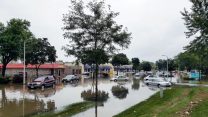
Ensuring safe and effective flood cleanup
Flood cause a host of problems for facility operators and cleanup crews, from foundational damage to mould.

Smart washrooms can help reduce germ transmission in healthcare facilities
Be smarter and cleaner when it comes to washroom hygiene.

Removing barriers is critical to proper healthcare hand hygiene
What can be done to help facilitate greater hand hygiene?

Using tech to improve washroom hygiene
Washrooms cannot be overlooked when it comes to the health and safety of patients, visitors, and staff.

Fire safety researchers examine energy storage
Facilities managers worldwide are invited to share some basic details about the specifications and configurations of their battery energy storage systems.

5 tips for using ATP monitors
ATP monitors are one of the most reliable indicators we have to measure cleaning performance, but they must be used properly.

Essity acquires Canadian apparel manufacturer Knix Wear Inc.
Toronto-based Knix designs and produces a variety of leakproof apparel for periods and incontinence.

4 tips for retaining employees and boosting morale
It's more critical than ever for businesses to provide a clean, enjoyable, and supportive work environment.
GBAC partners with Allergy Standards on indoor health education
The course features four modules on IAQ, infection control, asthma and allergy challenges, and the triggers in buildings.

8 essentials for worker safety
AFFLINK's Safety Supply Checklist outlines eight essentials for facility managers and workers.

Fighting foodborne diseases in facilities
The most common foodborne illnesses in North American are caused by norovirus, listeria, salmonella, and E. coli.

Disposing of waste doesn’t eliminate infection threat
Viruses can survive and remain infectious by binding with plastics in water sources.

Cultivating a culture of care in the cleaning industry
How to balance increased demand with a nationwide labour shortage.

GBAC, IAEE offer infection education for events professionals
The GBAC Infection Disease Awareness Course will be included in IAEE’s Certified in Exhibition Management Learning Program for events pros.