






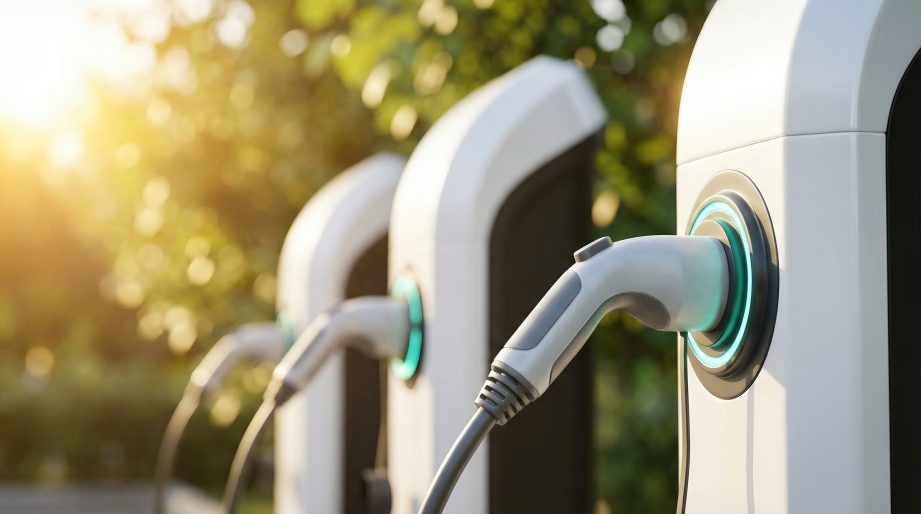
If part of your mandate as a maintenance manager is to work towards your company’s ESG goals, you may be considering adding EV chargers on your property. EV chargers take a step towards sustainability, and as more people invest in electric vehicles, adding on-site charging stations may also help raise employee satisfaction. A 2024 survey of EV drivers noted that 42 per cent of respondents valued workplace charging availability as a key factor in their job satisfaction, particularly for urban commuters – and as more people head into the office, this could be a perk for returning employees.
However, it isn’t just a simple installation, and there are many factors to consider before deciding to go ahead. Here are some steps to take before adding EV chargers to your facility:
Get the information: Assess the demand and current usage to determine the potential capacity that’s right for your building. Also, look at what your electrical system can sustain, identify capacity challenges, and research planned upgrades and scalability to decide whether your building can support EV chargers without compromising other building functions – now and in the future.
Location, location, location: It is important to note the location of the chargers when planning and budgeting. The further they are away from your building, the more expensive the installation will be. You may need to add infrastructure if you are considering adding them to a parking garage, and that could lead to more costs for multiple levels, more complicated electrical work, and may limit the amount of space you offer for parking.
Payment plan: Will you offer EV charging free for employees and visitors? Consider whether this will be a revenue source, or whether you will offer it as a perk – and what that will cost. If you are looking to monetize the system, look for providers that allow you to set variable rates for peak usage times, offer data for decision-making, and allow you to pass the electricity cost on to users with a small markup that covers maintenance.
Safety and compliance: Before starting any work, you will need a permit from the Electrical Safety Authority (ESA). In addition, for larger installations (especially Level 3), you will need to submit an EV connection request form to your local electricity distributor (e.g., Hydro One or your local municipal hydro provider). Consider accessibility with clearance space and proximity to the building, as well as safe placement, barriers, and signage where needed.
Adding EV chargers to your facility can be a positive step for sustainability and employee satisfaction, but it can also be a complicated and expensive endeavour. Ensure that you are considering the steps from all angles before making the decision that makes the most sense for your business.