





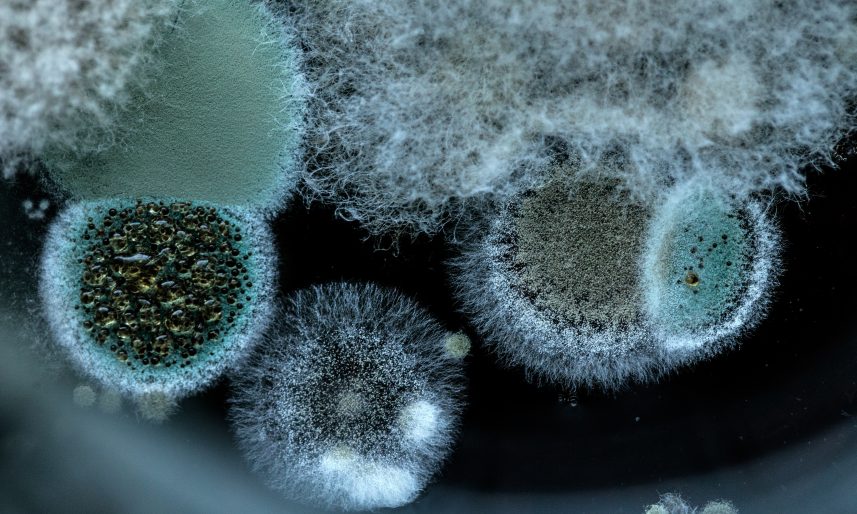
Mould and mildew are common allergens that can worsen seasonal allergies, often occurring during the fall and winter months. Mould spores can be found both indoors and outdoors, thriving in the damp environments that often exist at this time of year, and causing a potentially unpleasant and unhealthy work environment. In addition, mould can result in a negative impression of your business from staff and visitors, as well as bigger issues like water damage and the need for costly remediation work and structural repairs.
Here are some of the ways maintenance and property managers can prevent and address mould concerns in the building this season:
- Mould growth often indicates underlying issues like poor ventilation, persistent leaks, a roofing issue, or condensation problems. Taking a proactive approach by conducting regular, scheduled maintenance in these areas can help ensure that you identify any potential issues early, before mould develops.
- Prevent mould growth by being on top of your building’s IAQ. Beyond conducting regular maintenance, work on upgrading your HVAC system, changing the filters, maintaining your roofline, and opening windows where possible to increase air flow. These steps can help keep your building dry, deterring mould growth.
- Maintaining relative humidity levels between 30 per cent and 50 per cent to avoid adding moisture inside the building. Use a dehumidifier to stay within these parameters, if necessary.
- Discourage water from entering into the building by ensuring that your downspouts are operating properly and drainage is designed to move water away from your building.
- Look for signs of moisture and mould. These could include a musty odour, peeling paint or wallpaper, water stains on the ceiling,
- If you detect any signs of moisture, address these concerns immediately before they can worsen. Address small issues like dripping taps, standing water, or damp patches on walls. Even minor leaks can create major problems if left untreated, so check around windows, pipes, and guttering regularly for signs of moisture penetration.
- Mould is a sign that there is something more concerning in your building. Along with treating the superficial warning (mould), find and address the cause before greater damage occurs. Contacting a professional means tracing the leak of the moisture and addressing the issue at the source.
The presence of mould in your building can take away from your property’s aesthetic, send the wrong message, exacerbate health complications or allergies, and lead to a much greater, costly issue. Maintenance and managers need to be proactive in preventing and addressing moisture to protect the budget, maintain the integrity of their building and provide a healthy environment.