


The National Oceanic and Atmospheric Administration (NOAA) has issued an El Niño Advisory, warning of a 63 per cent chance that intensifying tropical Pacific conditions will yield a historic “super” El Niño.
With extreme weather patterns projected to extend well into 2027, facility managers, building owners, and cleaning professionals must pivot from routine seasonal maintenance to aggressive climate risk management.
Volatile U.S. weather outlook
The 2026 to 2027 climate cycle will alter the polar jet stream, disrupting standard seasonal expectations across North America:
- Southern U.S.: Significantly wetter conditions with high risks of localized winter flooding
- Northern U.S. and Canada: Warmer-than-average winter temperatures
- Global Storms: Heightened Pacific storm frequency and intensity
Five critical commercial facility risks
“View this El Niño as an imminent operational risk,” cautions Klaus Reichardt, CEO and Founder of Waterless Co., Inc. “It shifts everything from water demand and energy loads to safety protocols and maintenance priorities.”
Reichardt highlights five primary vulnerabilities facilities must address before winter peaks:
- Storm water system stress: Sudden, intense downpours can overwhelm unmaintained gutters and catch basins, triggering flash floods and structural asset damage.
- Volatile freeze-thaw cycles: Sharp temperature swings accelerate freeze-thaw damage, cracking building façades, heaving parking lots, and degrading roof membranes.
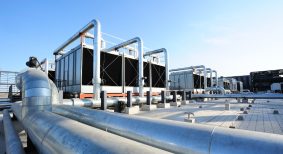
- Unseasonal HVAC strain: Extended winter warmth forces commercial chillers to run longer, spiking facility water use and mechanical failure rates.
- Slip-and-fall liabilities: Heavy moisture tracked into lobbies requires high-frequency cleaning and advanced matting systems to mitigate high-cost liability claims.
- Indoor air quality (IAQ) risks: Persistent outdoor dampness fosters indoor mould and bacteria growth, compromising building IAQ and tenant health.
Protect your facility and ensure operational continuity with this streamlined winter preparedness checklist to help with climate risk management:
Roofing: Check membranes for ponding water, open seams, and wind-vulnerable edges.
Drainage: Clear all gutters, downspouts, scuppers, and parking lot catch basins.
Envelope: Inspect façade sealants, window gaskets, and joints for cracks.
Below-grade spaces: Test primary and backup sump pumps; update basement flood protocols.
HVAC systems: Tune equipment for unseasonable warmth and clear condensate lines to prevent mold.
Energy budgets: Account for higher electricity use from extended cooling and dehumidification.
Irrigation: Reduce watering schedules to mirror rainfall and cut unnecessary winter cycles.
Parts inventory: Stock critical plumbing, electrical, and HVAC components on-site.
Vendor SLAs: Pre-verify service vendor agreements with plumbers, HVAC techs, and restoration crews.
Communications: Remind occupants how to report leaks, condensation, and drafts immediately.
“The best offense is a good defense,” Reichardt warns. “Facility managers must implement preventative maintenance strategies now to protect tenants and ensure business continuity.”