



Infection Control

The role of technology in school hygiene
Air quality is a big driver of school hygiene, but while many buildings have built-in ventilation systems, it can be difficult to know how effective these systems are at removing pollution from the air.

Cleaning floors for health, instead of for appearance
Science is emerging about facility managers prioritizing your floors to clean for health, rather than for appearance.

The importance of air purification
A sustainable and practical solution to indoor air pollution

GBAC & Allergy Standards Ltd. commit to advancing IAQ education
The two organizations are extending their partnership to form an educational working group focused on IAQ in the built environment.

Healthcare housekeeping & EVS in good hands
The Canadian Healthcare Housekeepers Association has observed pandemic pain – and progression.

CDC updates COVID-19 school recommendations
The recommendations for safe in-person learning for K–12 schools and early care programs have undergone a few changes.

5 ways to create cleaner environments in schools
To ensure schools are taking the best first step forward, their cleaning operations should zero in on five key areas of focus.

UV disinfection market expected to expand quickly
UV disinfection has increasingly been recognized as an effective method of infection prevention.

Smart washrooms can help reduce germ transmission in healthcare facilities
Be smarter and cleaner when it comes to washroom hygiene.

Removing barriers is critical to proper healthcare hand hygiene
What can be done to help facilitate greater hand hygiene?

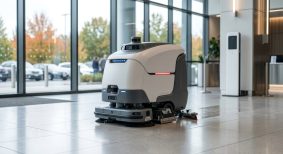
Using tech to improve washroom hygiene
Washrooms cannot be overlooked when it comes to the health and safety of patients, visitors, and staff.

5 tips for using ATP monitors
ATP monitors are one of the most reliable indicators we have to measure cleaning performance, but they must be used properly.
GBAC partners with Allergy Standards on indoor health education
The course features four modules on IAQ, infection control, asthma and allergy challenges, and the triggers in buildings.
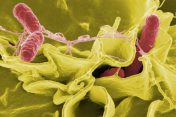
Fighting foodborne diseases in facilities
The most common foodborne illnesses in North American are caused by norovirus, listeria, salmonella, and E. coli.

Disposing of waste doesn’t eliminate infection threat
Viruses can survive and remain infectious by binding with plastics in water sources.

GBAC, IAEE offer infection education for events professionals
The GBAC Infection Disease Awareness Course will be included in IAEE’s Certified in Exhibition Management Learning Program for events pros.

The germ hotspots to watch this travel season
Summer 2022 is expected to be a busy travel and tourism season, but that brings with it risks. It's vital to identify the germ hotspots.