


As smart technology continues to evolve and improve the commercial cleaning space, which tools are cleaners really using to improve efficiency, increase hygiene efforts, and help reach today’s sustainability goals? There are so many tools to choose from, it can be hard for cleaners and clients to determine the best investment for the business.
Here are some of the most helpful advances for commercial cleaners to consider, as technology continues to disrupt the marketplace.
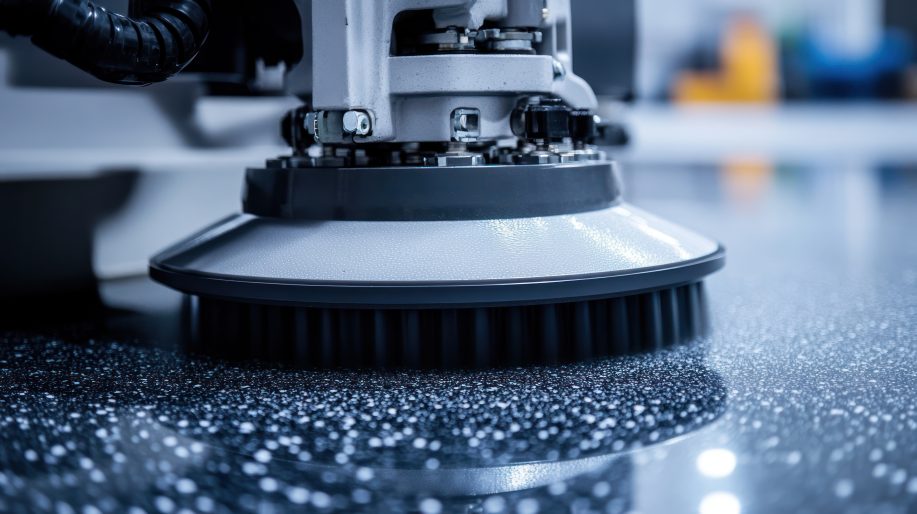
Robotic floor scrubbers: While these are not a brand-new innovation, they continue to save on labour, boost productivity, and improve consistency. Today’s versions have improved navigation and obstacle detection, but the real value for many cleaners comes from the data gathered by these machines. With the ability to collect information, monitor cleaning patterns, and deliver reports, while optimizing the cleaning process, these tools enable companies to learn more and make smarter decisions about their business.
AI-powered vacuum systems: These are now equipped with mapping and sensor technology that can store information to consistently optimize performance. Many also contain self-cleaning features, which, along with the ability to cover a large space efficiently, help to minimize labour. Some can also be programmed with scheduling options to simplify cleaning high-traffic areas during low-traffic times. These vacuum systems can also offer a higher level of cleaning and sanitation, improving the hygiene, safety, and IAQ in the building.
Smart disinfectant sprayers: As rising costs, supply chain disruption, safety, and sustainability remain crucial for many cleaning companies, this electrostatic technology means faster disinfecting while using less product. This technology minimizes the likelihood of human error, offering consistent application while cutting costs on cleaning products.
Sensors: Sensors have been around for years, but companies are using them more and more to gather the data they need to better address cleanliness and hygiene. With the insights gained from sensors, cleaners can track inventory, traffic patterns, water use, and more, enabling companies to make more informed financial decisions. As is common with smart technology, these sensors can be programmed, monitored, and accessed remotely, allowing managers 24/7 access to the data.
As technology continues to develop, cleaners can maximize their assets, cut costs, and improve service with innovation adoption that makes sense for their companies and their clients.