




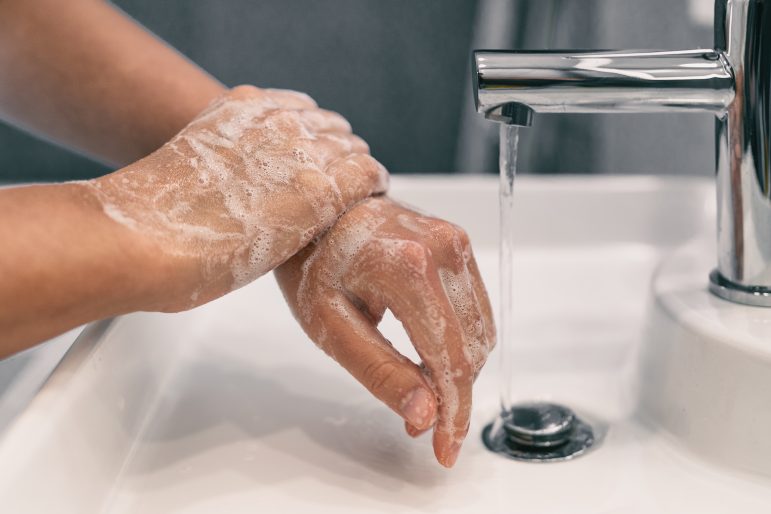
Even though hand hygiene has been a popular topic of conversation in recent years, and a priority for businesses across most sectors, companies can do better to help stop the spread of germs. The recent release of the 2026 Healthy Handwashing Survey™, conveys that while 93 per cent of respondents believe handwashing is important to maintain overall health, 24 per cent don’t always wash their hand upon leaving the restroom, and 44 per cent per cent admitted to just rinsing with water.
Proper hand hygiene helps stop the spread of germs, and that helps businesses keep employees safe, healthy, and at work.
“Handwashing, using soap and warm water, is one of the simplest and most effective ways to reduce the spread of disease, including the flu,” said Brian M. Forster, Ph.D., microbiologist and chemical hygiene officer at Saint Joseph’s University. “Our hands touch many surfaces during the day, including our face, and are an easy way for us to pick up something that can make us sick.”
How can companies enhance hand hygiene practices?
- Provide supplies like hand sanitizer around your building to help keep hygiene top of mind, as well as offering a source for users. Adding signage to encourage handwashing in restrooms and use of sanitizing stations can also increase the practice.
- Train your staff on company policies and practices around hand hygiene to limit the number of germs in shared spaces and high-traffic areas.
- Keep restrooms regularly maintained and stocked with supplies to help build confidence in your business and encourage people to take the time to practice hand hygiene. “For many people, the decision to wash their hands in a public restroom is influenced by the environment,” said Jon Dommisse, vice president of business development and strategy for Bradley Company. “If a restroom appears poorly maintained or understocked, it can discourage proper handwashing – at exactly the moment when it matters most for public health.”
- Consider using technology to improve hygiene results with tools like touchless features, sensors, and IoT data that can help you track and better manage inventory levels.
- Inclusive hygiene is an important part of restroom maintenance, so ensure that proper hand hygiene is accessible for all visitors. Focus on designing and maintaining restrooms that consider the full range of individual abilities and circumstances to make hand hygiene accessible to all.
Hand hygiene is always important, but extra care and vigilance should be taken during cold and flu season to keep building occupants healthy, leave a positive impression, and reduce absenteeism.