




Four times a year, the World Meteorological Organization (WMO) publishes an El Niño/La Niña forecast assessing the likelihood of either climate pattern developing in the months ahead.
El Niño and La Niña are the two opposing phases of a phenomenon known as the El Niño-Southern Oscillation (ENSO), a recurring cycle of warming and cooling surface waters in the central and eastern tropical Pacific Ocean.
When either phase occurs – warming waters signal El Niño, cooling waters indicate La Niña – it can disrupt cloud, wind, and weather patterns around the world. These changes can intensify temperature and precipitation extremes already being influenced by climate change.
Scientists believe these combined climate forces could have significant consequences for Canada. “We need to prepare for a potentially strong El Niño event – which will exacerbate drought and heavy rainfall and increase the risk of heatwaves both on land and in the ocean,” said Celeste Saulo, secretary-general of the WMO.
It may seem like professional cleaning and building management industries are relatively immune to these climate forces, but these types of weather patterns can have a substantial impact on our work and our ability to keep facilities clean, safe, and healthy.
The El Niño of 1997–1998
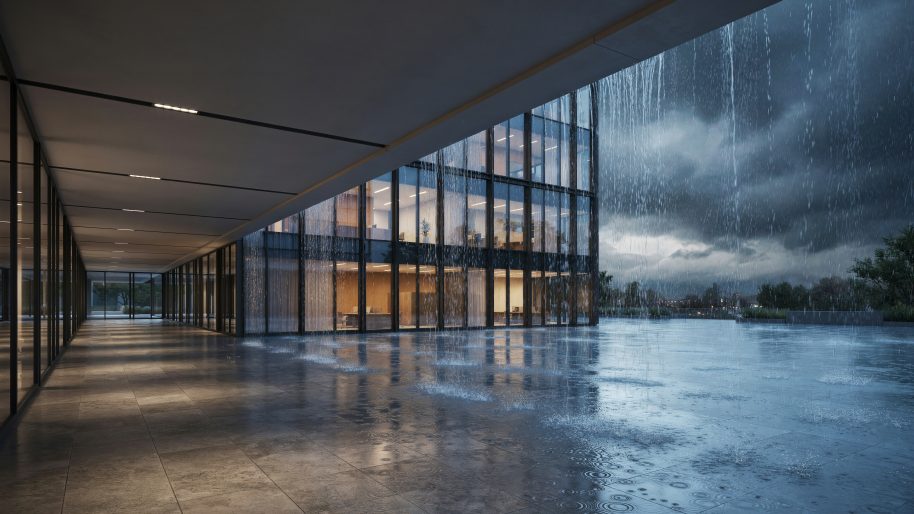
In December 1997, the rain began and seemed never-ending, resulting in steady, heavy downpours that continued for weeks, impacting so many regions. By January of 1998, many cleaning customers were calling for help. The constant rain was creating problems almost everywhere: leaking roofs, flooded trash areas and basements, increased slip-and-fall incidents, soiled floors and carpets, and water intrusion in areas previously unanticipated.
For cleaning contractors and building managers, it quickly became clear that normal cleaning routines were no longer enough.
Will 2026–2027 be a repeat of 1997?
With another El Niño forecast for late 2026, now is an ideal time to revisit what this climate pattern can mean for cleaning contractors and building managers – and how they can protect tenants, maintain healthier facilities, and strengthen customer relationships.
The consequences extend beyond extreme weather; El Niño can disrupt the movement of goods, including food, medicine, and cleaning supplies, while contributing to wildfires and broader economic challenges.
For building managers and cleaning professionals, the effects can be immediate and highly visible. Heavier soil loads, increased moisture, faster mould and mildew growth, more odour complaints, carpet damage, and greater demand for carpet extraction and floor refinishing can all become part of the daily routine.
The experience of 1997 taught us that preparing for these conditions requires more than simply cleaning more often; it means adjusting cleaning programs, staffing, supplies, and customer expectations.
Addressing El Niño’s cleaning challenges
The 1997 El Niño created serious cleaning challenges, but it also became an important learning experience; we discovered that some of our conventional cleaning practices needed to change. One surprising lesson involved floor refinishing.
Under normal conditions, customers often resisted costly floor refinishing. After all, why refinish floors that would be soiled again within days? During that unusually wet winter, however, we learned that more frequent refinishing could help protect floors from moisture, make them easier to clean, and improve slip resistance.
Cleaning programs also needed adjusting in several other areas:
Matting: The first line of defense
In many businesses, installing entrance mats is treated as a minor detail, but during an El Niño, an effective matting program is essential. A coordinated system of entrance mats helps capture moisture and soil before they spread throughout a building, significantly reducing the amount of dirt, water, and contaminants tracked onto interior floors.
During extended periods of rain, matting should be inspected, cleaned, and replaced as needed. Otherwise, saturated mats can become part of the problem rather than the solution.
Disinfecting: Paying closer attention to high-touch surfaces
Higher indoor moisture levels and changing environmental conditions may require closer attention to cleaning and disinfection, particularly on frequently touched surfaces. Door handles, elevator buttons, restroom fixtures, handrails, and shared work surfaces should receive consistent attention.
The objective is not simply to use more disinfectants, but to follow appropriate cleaning and disinfection procedures based on the surfaces, products, and conditions involved.
Condensation: An often-overlooked problem
During an El Niño, areas that rarely attracted attention can suddenly become moisture concerns. Windows, vents, surrounding surfaces, and other areas prone to condensation may collect moisture, creating conditions favorable to mould and microbial growth.
These areas require more than an occasional wipe-down; cleaning crews should regularly inspect them, remove accumulated moisture, and report persistent condensation or water intrusion to facility managers.
Early attention can help prevent small moisture problems from becoming larger maintenance issues.
Pests: Watching for unwanted visitors
Severe weather can drive insects and rodents indoors in search of dry shelter. And while cleaning companies don’t typically provide pest control services, they can help with pest monitoring. Cleaning crews are often among the first people to notice signs of pest activity, particularly in closets, storage areas, unused office space, and basements.
Early reporting allowed building managers to address pest concerns before they became more serious.
Residue: More than just dirt and water
Even with an effective matting program, prolonged wet weather can bring a variety of contaminants indoors. These may include oil, grease, rodent droppings, and corrosive salt residue, particularly in areas exposed to winter weather and road treatments.
As a result, more frequent mopping, carpet extraction, and floor maintenance may be necessary. Depending on the flooring and conditions, additional refinishing may also be required to help protect surfaces and maintain occupant safety.
Customer complaints: Communication matters
Most facility managers and building occupants understand that prolonged bad weather makes buildings harder to maintain. Many also recognize the additional pressure placed on cleaning crews. Even so, complaints can increase.
Persistent rain, muddy conditions, wet floors, and difficult building entrances can frustrate occupants, especially when facilities don’t look as clean as they normally do.
We learned that responding to these complaints required patience, clearer communication, and a more proactive approach. Rather than waiting for customers to point out problems, we made an effort to identify potential trouble spots and address them before complaints arose.
Budgets and staffing: Preparing for the added costs
For cleaning contractors, El Niño can create significant pressure on operating budgets and staffing.
Facilities may take considerably longer to clean, and while customers are often willing to pay for additional services such as carpet extraction or floor refinishing, the extra labour required isn’t always fully recoverable.
Labour costs rise because crews need more time to maintain the affected facilities. Flexible staffing may also become necessary, requiring contractors to move employees from one location to another based on where weather-related problems are most severe.
In some cases, additional personnel may be needed. A facility that normally requires three cleaners, for example, may temporarily need four. Communication with the client is essential. Discussing the additional workload and explaining why it is necessary may allow for a temporary adjustment in the monthly service charge.
After all, facility managers are experiencing these conditions firsthand, just like cleaning contractors. They can see how much additional soil, moisture, and debris are entering their buildings. When the need for additional services is clearly explained, customers are often more receptive to reasonable adjustments.
Supply costs can rise as well. Cleaning tasks that once required relatively small amounts of conventional cleaning solutions may now require additional products, including appropriate disinfectants and sanitizers. The increased volume of cleaning also means supplies may need to be replenished more frequently.
For contractors, anticipating these expenses and discussing them with customers early can help avoid misunderstandings later.
The silver lining: Eventually, the weather changes
The good news is that El Niño events typically last about nine to twelve months, although their duration and intensity vary. They are not permanent, and conditions eventually change.
As the weather returns toward normal, storms become less frequent, temperatures stabilize, and buildings gradually become easier to maintain. But for cleaning contractors and building managers, the message is straightforward: Don’t wait until the rain starts to prepare.
Review cleaning programs, inspect entrance matting, evaluate staffing requirements, anticipate supply needs, and communicate with customers. These steps can make a meaningful difference when extreme weather puts additional pressure on facilities.
And if 2026–2027 brings another significant El Niño, the lessons learned in 1997 may prove just as valuable today.
Robert Kravitz, now retired, is a former building service contractor and the former owner of a janitorial and sanitation (jansan) industry-focused communications and marketing firm, which he operated for 25 years.