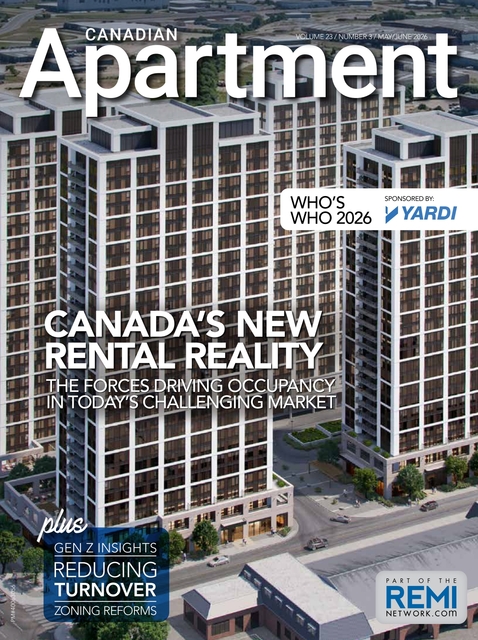






Canada’s housing market is straining under the weight of shifting economic conditions, cooling demographic growth, and a sharp reversal in investor sentiment. A new report from Signal49 Research paints a picture of a sector adjusting to a very different reality than the one that fuelled its rapid expansion just a few years ago.
After months of relief from falling mortgage rates, that momentum has stalled. The report notes that the U.S.–Iran conflict has rattled global investors, pushing bond yields higher and keeping them elevated even as tensions ease. At the same time, employment insecurity is weighing on consumer confidence, limiting buyers’ willingness to take on new debt.
The recent strength in housing starts—particularly in the apartment sector—reflects decisions made when Canada’s population was expanding at record speed. With much lower federal immigration targets now in place, rental demand has softened. This shift is undermining the outlook for both purpose-built rentals and investor-owned condos that were expected to be rented out.
The resale market showed modest improvement in April and May. Prices have corrected enough in some regions to draw buyers back in, even as many remain cautious. Still, sales volumes are running below levels normally expected relative to Canada’s population, suggesting that confidence has not fully returned.
- Vancouver and Montréal continue to carry the largest number of unsold units.
- Calgary’s inventory is smaller and appears to have stabilized.
- Toronto, however, stands out: its backlog of unsold apartments grew more than fifteenfold between December 2024 and May 2026. Even this dramatic increase, the report argues, does not fully capture the depth of the market’s weakness.