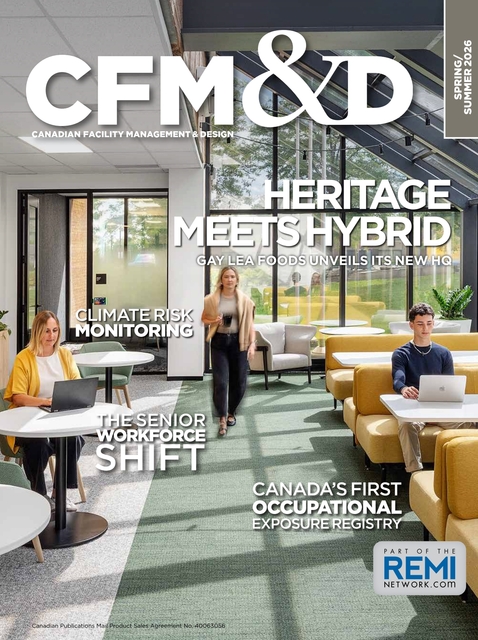





How can design encourage collaboration and innovation?
In the new business environment, the relationship between design and the efficient and effective use of office space is critical. Architecture, space planning and interior design are powerful instruments of ‘change management’ and can aid in creating an environment that releases the potential of the new generation of workers. More than a mere utility, a well-designed office can shape and enhance work itself, making the most of people and technology and effecting a culture of collaboration and innovation.
Current research emphasizes the need for multiple spaces in the work environment to serve the different functions of learning, collaboration, socialization and focused work. The workstation and the conference room aren’t the only places, or even the most important places, where work gets done. Planning needs to be re-thought throughout the office, from workstations to meeting rooms to cafeterias.
In the most successful office designs, space is flexible and adaptable and there are open, undefined areas where people can gather to have a conversation. Of course, the workplace needs a certain amount of definition to make it intelligible but, at the same time, the environment should offer a sense of openness and adaptability, with lots of different kinds of spaces – including the “spaces in-between” – that allow people to improvise within the general structure of their work day.
In some cases, the in-between space is a quiet enclave where two people can meet or a simple work table placed near a cluster of workstations. In others, it’s a coffee bar in a high-traffic area or a space designed primarily for relaxation that is also conducive to conversation. The intent of these spaces is the same – to stimulate interaction and make something interesting happen.
Meetings that occur informally can be of particular value in helping coworkers connect and create. New ideas and insight are simply more likely to occur. Successful space planning provides for collaboration in all areas – within workstations and via zones just outside of workstations and conference rooms.
The goal, here, is not to eliminate privacy or prevent people from focusing intently on work. Rather, it is to allow people to come together as necessary and to encourage them to interact more often.
Steve Delfino is vice-president of corporate marketing and product management at Teknion.