

Facilities operate efficiently because various people bring different strengths, experiences, and perspectives to work and share them among one another. Collaboration is what turns individual expertise into collective capability. It’s the difference between a team that reacts and a team that is ready.
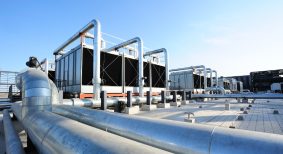
A long‑time employee might know that “HVAC Unit 4” tends to trip when the building hits full capacity on a humid day — a detail that never shows up in a drawing or a procedure. Someone else knows the building’s history and quirks. Another brings deep technical expertise. Someone else knows the occupants, contractors, and suppliers and understands the relationships that keep the operation moving. A newer team member may bring fresh training, new tools, or a different way of viewing a problem.
No one person holds the full picture. The strength of a facilities team comes from the mix of knowledge, best practices, experience, and skills that exist across it. The opportunity is to turn what people know individually into knowledge the team can share and use collectively. Collaboration is how that happens.
When only one person possesses important knowledge, their absence quickly becomes the team’s problem. For example, if a familiar issue arises and the person who handled it before is away sick, there may be no one else who is sure about previous solutions and then the team is left trying to piece together the answer.
Having knowledgeable people, good data, procedures, and maintenance systems offers a team a strong foundation. Systems can preserve asset histories, procedures can document how work should be done, and records can help teams understand what has happened before. But even the best system can only capture what people put into it. Teams still need to decide what is worth capturing, where it should live, and what context someone else will need to make sense of it.
And not everything worth knowing fits neatly into a database. Judgement develops through experience. Relationships are built over time. The reason behind a past decision may never appear in a work order, even though understanding why something was done can be just as important as knowing what was done.
Sharing knowledge is important, but collaboration does more than that; it builds new knowledge. When people with different skills and experience work through a problem together, each brings something to the situation. One person’s experience may challenge an assumption, introduce another solution, or help someone see the issue differently. Collaboration turns individual insight into collective capability.
Strong teams recognize that expertise comes from different roles, backgrounds, and levels of experience. Sharing what you know matters, but so does asking questions, listening to another perspective, and being open to learning a different way of doing something. Through collaboration, teams learn from experience, exchange best practices, and build on what each person brings.
Teams don’t develop this way by accident. Knowledge sharing and collaboration need to be part of how people work together. Job shadowing lets employees see how someone else approaches their role. Cross‑training and shared responsibilities expose people to different parts of the operation. Working through problems together — and talking about unusual incidents afterward — allows lessons learned to benefit the wider team.
Succession planning should begin well before a known retirement. Identify the responsibilities and knowledge that need to remain with the team. Determine who needs exposure to them, and then create opportunities for that knowledge to be shared through job shadowing, cross‑training, and shared responsibilities.
The goal is to build that knowledge into the team before the transition happens. Creating the opportunity, however, doesn’t guarantee people will share what they know. Leaders need to make it clear that employees’ knowledge and experience are valued and that sharing them strengthens rather than diminishes their contribution. Building collective knowledge also requires people to recognize the value others bring and be willing to learn from their experience.
The strongest facilities teams aren’t built by trying to equip each person with every piece of knowledge. They are built by bringing together different expertise, experience, and skills, and creating opportunities for people to learn from one another. When team knowledge evolves, so does the organization’s resilience.
Collaboration is the ingredient that makes individual expertise matter beyond the individual and it’s how teams turn experience into capability, capability into resilience, and resilience into service for the people and communities that depend on them.
Marcia O’Connor is president of AM FM Consulting Group, Chair of Membership & Education for IFMA’s Greater Toronto and South Central Ontario and lead instructor for the University of Toronto School of Continued Studies, Facility Management Certificate Program. She is a strategic-minded leader with more than 20-plus years of progressive experience in corporate real estate, asset management, and integrated facilities management. Marcia has a passion for mentoring young professionals and helping people, teams, and organizations see their potential.