




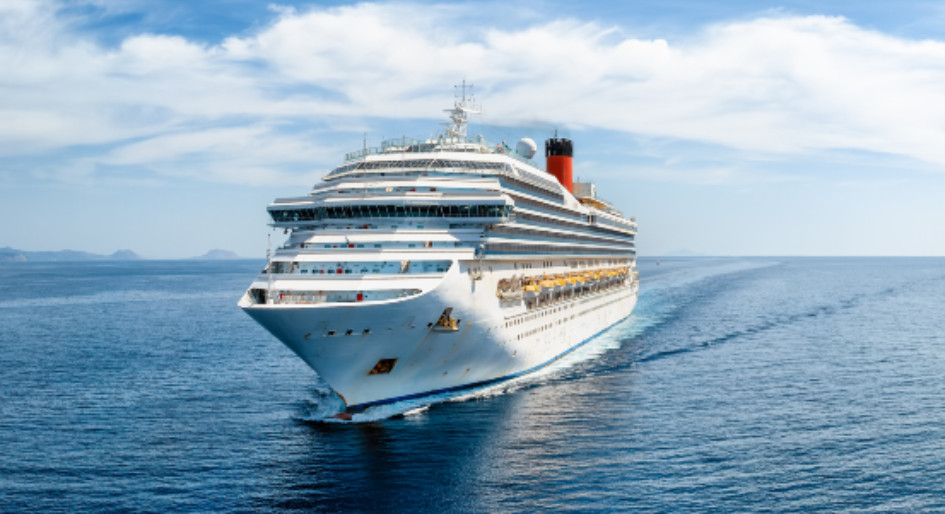
Canadian ports may be welcoming cruise ships this summer, but not so much their effluent. A recent federal order under the Canada Shipping Act establishes parameters for where and how sewage and greywater can be discharged into Canadian waters.
Release is confined to an area within three to 12 nautical miles from shore, an ice shelf or fast ice, unless the cruise ship has sanitation controls on board that can meet thresholds for maximum allowable coliform counts and other required specifications. This includes stricter stipulations for arctic waters. River cruise boats travelling through waters that cover less than six nautical miles from shore to shore must have treatment facilities on board or holding tanks with adequate volume to store the sewage and greywater produced during the voyage.
The order, which went into effect June 10, also sets out requirements for certification, reporting and record-keeping. Canadian-registered ships and ships flagged under nations that are party to the International Maritime Organization’s treaty and regulations for the prevention of pollution by sewage must have a certificate of compliance on board.
Discharges outside the specified area will be allowed if deemed necessary for saving lives, securing or preventing the loss of the vessel, or if they occur due to a navigational accident that damages the ship or its equipment. In all cases, ships must follow reporting and record-keeping protocols whenever sewage or greywater is discharged.
For ships with on board treatment facilities, that includes keeping required information as part of the ship’s logbook for a minimum of two years. The Ministry of Transportation may also compel testing of effluent samples, which must be conducted in accordance with standard scientific procedures.