





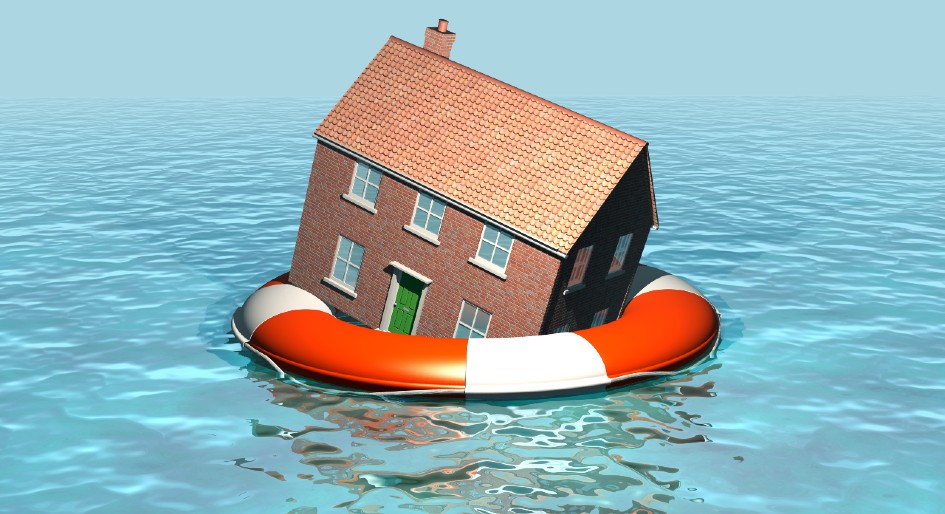
As hurricane season reaches its height in September, landlords and property owners across Canada are advised to take proactive steps to protect their properties and tenants from severe weather risks.
Data from various sources shows that the strength of storms around the globe is increasing due to warmer ocean temperatures leading to higher wind speeds, heavier rainfall, and greater storm surge. In recent years, Canada has faced major financial losses from hurricane-related flooding. Hurricane Fiona in 2022 caused over $800 million in insured damages in Atlantic Canada, while Hurricane Debby led to industry losses of $2.8 billion in Ontario and Quebec in 2024.
“Hurricanes and tropical storms are inherently unpredictable, and their impacts can extend far beyond what people expect,” said Jim Mandeville, Senior Vice President, Large Loss North America at First Onsite Property Restoration. “Even storms that don’t make landfall, like the kind we saw in Quebec and Atlantic Canada in 2024, can bring heavy rain, localized flooding, strong winds, and dangerous surf, causing billions in damages.”
The 2025 ‘Weather Worries’ survey
Each year, First Onsite conducts a national survey to delve more deeply into Canadians’ top weather-related concerns. The 2025 survey of 1,501 respondents shows that widespread worry appears to be rising over severe storms and hurricanes, particularly in regions most likely to be affected.
Nationally, 31 per cent of respondents said they worry about hurricanes and tropical storms, with the highest percentage residing in Atlantic Canada (73%), Quebec (38%), and Ontario (29%). Broadly speaking, severe rain and flooding are even more worrisome for Canadians, with two thirds of respondents expressing concern about flood-related property damage — up six points from 2024 — particularly in Atlantic Canada (71%), Quebec (70%), and Ontario (65%).
“Preparation is everything when it comes to hurricanes and severe weather,” said Mandeville. “Protect your people, secure your property, and make sure your plans are in place before the storm hits. And when the storm passes, call in the experts to get you back up and running safely.”
New resource page for property owners
To address common concerns, First Onsite has launched a new Hurricane Preparedness resource page, which includes the following top ten list for home owners, businesses and landlords, which can be shared with tenants:
- Make a family/workplace Plan – Decide who is responsible for securing your home, evacuation routes, and how to stay in touch during the storm.
- Know Your Evacuation Routes – Plan multiple routes to safety and identify nearby shelters.
- Secure Important Documents – Keep passports, insurance papers, and medical records in waterproof containers or digitally backed up.
- Inspect and Fortify Your Home or business – Check roofs, windows, doors, and gutters. Repair weak areas and remove loose debris.
- Stock Emergency Supplies – Include water, non-perishable food, flashlights, batteries, first aid kit, and personal hygiene items.
- Assemble a Hurricane Kit – Add radios, cellphones with chargers, blankets, first aid, dust masks, whistles, and emergency shelter materials like tarps and rope.
- Protect Outdoor Items – Bring in or secure furniture, grills, and equipment that could be swept away by wind or floodwaters.
- Prepare Fuel and Power Sources – Fill fuel tanks for vehicles and generators, and keep backup power for essential electronics.
- Know Who to Contact – Keep local emergency services, hospitals, and insurance providers handy.
- Practice Your Plan – Run through different scenarios with your household so everyone knows their role before, during, and after the storm.