



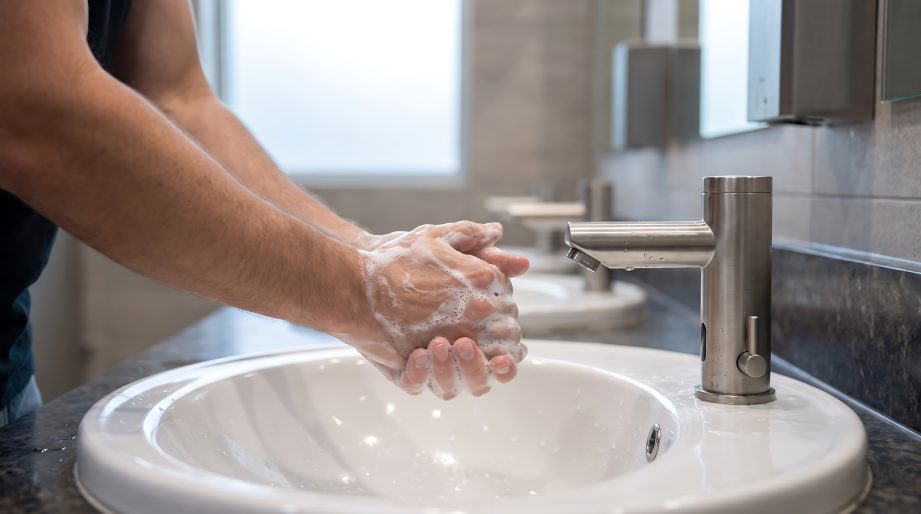
Handwashing takes about 20 seconds, but it only happens when the sink, soap, and paper towels are ready to go. Sofidel, a leading global provider of paper for hygienic and domestic use, is sharing tips to build effective handwashing habits in workplaces, public spaces, and beyond as a way to Global Handwashing Day on October 15.
“Handwashing is a small but important part of maintaining a healthy environment,” said Tahnie Gilliland, Marketing Specialist, Sofidel. “Facilities can help make proper hand hygiene easier by ensuring handwashing stations are accessible, well maintained and stocked with the supplies people need to wash and dry their hands effectively, especially with cold and flu season approaching.”
Consider the following:
Monitor restroom traffic. High-traffic areas may require more frequent checks and restocking. Use usage patterns to adjust cleaning and restocking schedules so supplies stay available throughout the day, including during peak periods.
Keep hand hygiene supplies stocked. Keeping paper towels and soap available helps ensure handwashing can be completed properly. Wet hands can transfer up to 1,000 times more bacteria than dry hands, making hand drying an important final step. Larger-capacity rolls can help extend the time between refills and reduce the risk of empty dispensers.
Keep sinks clean and functional. Inspect sinks and faucets regularly for buildup and proper operation. Clogs are a common reason handwashing stations get taken out of service, often because paper towels end up in the sink. Choose paper towels that break down quickly in water to help prevent blockages.
Install touchless dispensers. Touchless paper towel dispensers reduce high-touch surfaces, helping limit germ spread. They also help control paper waste by dispensing a measured amount, which discourages overconsumption.
Refresh handwashing signage. Replace worn, faded or outdated signs, and make sure each sink has a clear reminder demonstrating proper technique. Ensure the messaging highlights key handwashing moments, such as after using the restroom, before and after preparing food and after coughing, sneezing or blowing your nose. Fresh, visible cues help improve compliance across your facility.
Making handwashing a priority at your facility can help limit the spread of germs, reduce absenteeism, and keep your staff and guests safe.