




Toronto’s housing landscape has long been defined by two extremes: soaring concrete towers and single, detached dwellings. What remains conspicuously absent is the “Missing Middle” — low- to mid-rise apartments, townhouses, and multiplexes that bridge the gap between high-density towers and suburban-style homes. Despite being recognized as essential for building affordable, livable communities across the GTA, these projects are not advancing at the pace needed to meet the city’s changing population.
The reasons for this gap are complex. At the Buildings Show in Toronto on December 3, 2025, three panelists explored the issue, arguing that systemic barriers have made Missing Middle housing projects difficult to deliver. Financial pressures, regulatory hurdles, labour shortages, and community resistance all play a role, discouraging developers from pursuing smaller-scale housing. The discussion underscored how deeply intertwined these challenges are—and how solving them will require coordinated action from governments, industry, and communities alike.
“Sometimes with smaller projects, there just aren’t the economies of scale,” observed Jordan DeBrincat, Vice President at Altree Developments. “People assume smaller projects mean smaller budgets and lower costs—which is true in the long run. But up front, you still need the same staff, the same consultants, and the same costly steps for what ultimately becomes a smaller pay-off.”
According to DeBrincat, unfavourable market conditions since 2022 have only compounded the problem. Condo prices have declined, squeezing margins and discouraging risk-taking, while rental projects today are generating less income due to slowing rent growth. Although she expects conditions to improve in the near term, profitability remains weaker than in previous years.
Investor appetite has also cooled. Foreign buyer restrictions have reduced capital inflows, while development charges—among the largest upfront costs—hit smaller ventures hardest. The City’s decision to remove deferrals has added further strain, leaving developers with fewer financial levers. Meanwhile, unsold inventory ties up capital, discouraging experimentation with new housing types.
“Zoning and regulatory barriers are contributing to these financial challenges,” said Sean Lawrence, Partner at Kohn Partnership Architects. “Smaller, less lucrative projects are taking far too long to get through the lengthy permitting process before construction can even begin.”
Meanwhile, the city has 14 overlapping building code requirements adding further costs and delays. Although it recently began streamlining approvals, progress has been slow—raising questions about what role the government should play in housing development, whether it’s offering subsidies and tax incentives or directly investing in mid-rise construction.
Sajjad Siraty, General Manager at LCG Residential Builders, argued that stronger incentives are urgently needed.
“Toronto missed an opportunity to embrace modular construction during the condo boom,” he said. “Whilst it is still positive to see government promoting modern methods of construction (MMC), with the current market conditions prohibiting new residential developments, further incentives and subsidies are needed to make modular construction a viable option and to close the innovation gap.”
Labour shortages further complicate matters. Fewer students are entering skilled trades, and expertise is dwindling.
“Major upcoming projects in the GTA will be stretching resources thin, resulting in labour shortages across the industry,” Siraty noted.
Ironically, the smaller projects are often more architecturally complex. According to Lawrence: “Mid-rise, wood frame construction demands specialized skills that can come at a premium. Balancing cost with quality partners is particularly acute in the Missing Middle segment.”
DeBrincat added that developers face additional costs due to infrastructure requirements like underground drainage, and community opposition to changes in density can greatly delay projects, often requiring her team to spend longer periods engaging with stakeholders.
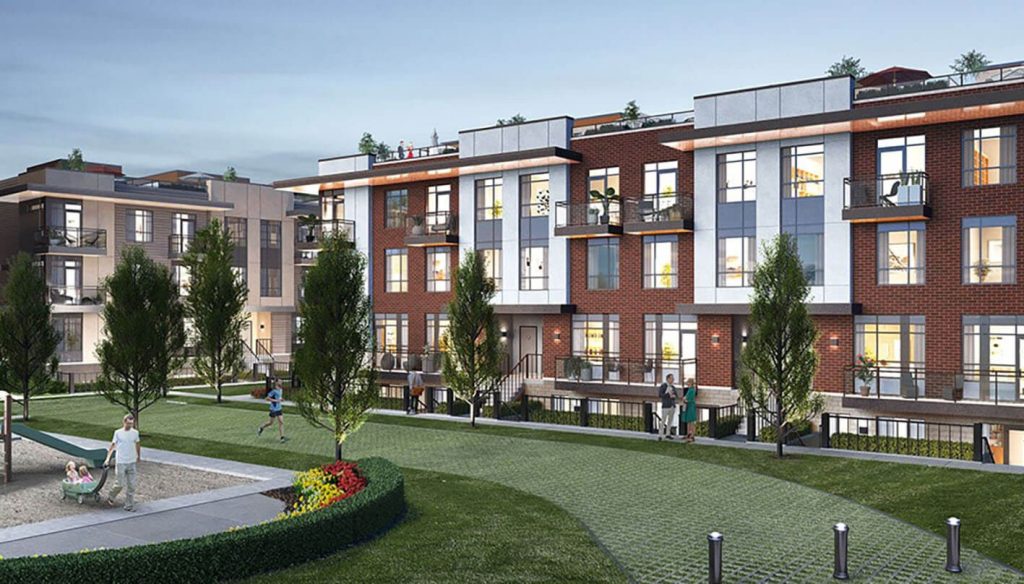
“I understand wanting to protect your neighbourhood, but land in the city is limited and there’s an urgent need for affordable housing,” she said. “It takes countless meetings and assurances that projects will add value—parks, green spaces, community benefits.”
In other words, developers must invest heavily in outreach, even as limited land supply forces mid-rise projects to compete with high-rise towers for scarce sites. While mid-rise builds offer quicker turnaround and smaller footprints, they face logistical challenges in dense areas, where safety and site management add complexity to already tight budgets.
The path forward
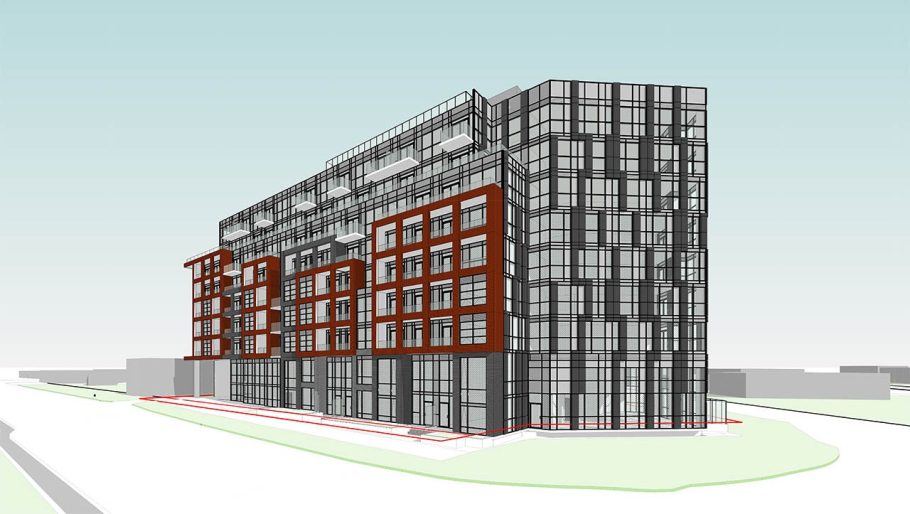
In an effort to support greater housing supply and density along the city’s Avenues, Toronto updated its Mid-Rise Building Design Guidelines in December 2024, now allowing buildings up to 14 storeys (45 metres) on streets with a 45‑metre right-of-way. Other updates include removing front and rear angular plane requirements and introducing more flexible, performance-based massing standards. Complementing these reforms, the Mini-Mid-Rise concept by Smart Density enables mid-rise construction on narrower lots, unlocking new opportunities for efficient and thoughtful infill development across Toronto’s main streets.
While these updates mark progress, the three panelists cautioned that deeper reforms are essential to overcome systemic barriers in financing, regulation, labour, and community politics if Toronto truly intends to unlock the Missing Middle housing segment. Achieving this will require:
- Streamlined zoning and approvals to reduce delays
- Relief or deferrals on development charges to ease financial pressures
- Federal and municipal subsidies to support modular and mid-rise projects
- Investment in skilled trades training to address labour shortages
- Robust community engagement strategies to build local support
Without these measures, Toronto risks reinforcing its housing imbalance—dominated by investor-oriented towers and single-family homes—while leaving little room for the attainable, family-friendly options most residents need.
Renderings courtesy of Kohn Partnership Architects. For more on mid-rise residential development in Toronto, visit: Mid-Rise Building Design Guidelines – City of Toronto