


The pressure for facility managers and operators to deliver a pristine, healthy, and safe environment is higher than ever. Yet, the mandate to do so often comes with the classic challenge: how do you modernize your cleaning program and improve outcomes without a budget-busting overhaul?
For too long, commercial cleaning has been viewed as a static, labour-intensive function, but facility managers know this is a dangerously outdated perspective. The post-pandemic world has put a spotlight on hygiene, and occupants from office workers to hospital patients expect a level of cleanliness that is both visible and verifiable. Meeting this new standard requires more than just elbow grease; it requires a thoughtful integration of modern technology and processes that can be surprisingly affordable.
The power of smart, targeted upgrades
Think of modernizing your cleaning program like upgrading a car one component at a time. You don’t need a brand-new vehicle to get better mileage and performance – and the same principle applies here. Instead of replacing all your equipment at once, consider targeted investments that deliver the most significant return on your dollar.
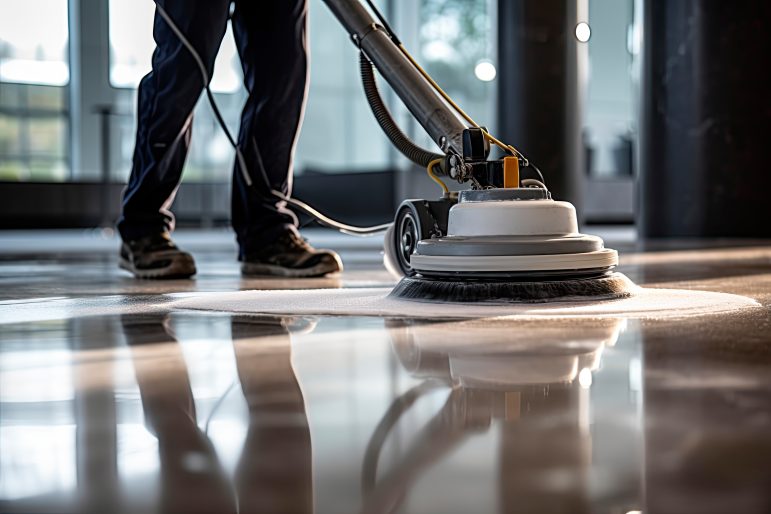
One of the most impactful, yet cost-effective, changes is the adoption of automated or semi-automated floor care. Manual mopping, for instance, is a legacy process that is both time-consuming and often ineffective. It’s a classic example of an old method that spreads soil as much as it picks it up. A study from the University of Minnesota found that a person can take up to two hours to mop a 5,000-square-foot area, whereas a modern automatic scrubber can do the same job in a fraction of the time, in as little as 15 to 30 minutes. The labour savings alone can justify the investment in a new or used machine, freeing up staff to focus on high-touch, high-importance areas like restrooms and entryways.
Another low-hanging fruit for facility managers is embracing advancements in chemical management. Outdated manual dilution methods often lead to wasted product, inconsistent cleaning results, and unnecessary chemical exposure. A simple dilution control system, whether it’s a wall-mounted dispenser or an integrated system on a piece of equipment, ensures chemicals are mixed precisely every time. This not only reduces waste and saves money on product purchases but also guarantees that your team is using the cleaning solution at its most effective concentration, improving cleaning outcomes without any additional effort.
The rise of the data-driven clean
The concept of clean is no longer just about what the eye can see. It’s about what the data tells you. This is where the Internet of Things (IoT) and smart technology come into play, and contrary to popular belief, they don’t have to be prohibitively expensive.
Smart restroom technology is a perfect example. Instead of scheduled checks that may or may not align with actual usage, sensor-driven systems can monitor foot traffic, paper product levels, and soap dispensers in real-time. A facility manager can be alerted when a dispenser is low or when a restroom has experienced a surge in use, allowing a team member to service it on an as-needed basis. This on-demand approach to cleaning is often called “zone cleaning.” This method is far more efficient than a rigid, one-size-all schedule, reducing labour time in low-traffic areas and ensuring high-traffic zones receive the attention they need, improving occupant satisfaction and optimizing resource allocation.
Consider a multi-storey office building where the third-floor conference rooms see heavy use on Tuesday and Wednesday, while the sixth floor is nearly empty all week. With smart sensors and data from building management systems, a facility’s cleaning program can be dynamic, adapting to the actual needs of the space. This isn’t about buying a team of cleaning robots but instead using data to make your human team more agile and effective.
Investing in your people, not just your equipment
At the heart of any successful modernization effort is the human element. New tools and technology are only as good as the people who use them. This is perhaps the most cost-effective and highest-impact investment a facility manager can make.
Proper training is a cornerstone of a modern cleaning program. A well-trained team understands the “why” behind their tasks – why proper dwell time matters for a disinfectant, why different surfaces require specific tools, and how their work contributes directly to the health and safety of building occupants. Training doesn’t have to mean expensive off-site seminars; many manufacturers and distributors offer free or low-cost training on their products and equipment. A well-designed, in-house training program can boost efficiency, reduce chemical and product waste, and, most importantly, instill a sense of pride and professionalism in your staff.
A simple upgrade from a standard vacuum to a backpack vacuum, for instance, can drastically reduce cleaning time. However, the true benefit is realized when the team is adequately trained on its ergonomic benefits and how to use it to clean more than just floors, like ledges and blinds. This empowers them to work smarter, not harder.
The future of facility cleaning isn’t about a fleet of autonomous machines replacing every worker. It’s about leveraging technology and data to empower your team to be more productive and strategic. By focusing on smart, incremental upgrades like efficient floor care equipment, precise chemical management systems, and data-driven scheduling solutions, facility managers can modernize their cleaning programs, enhance building health, and deliver a superior occupant experience – all without breaking the bank. It’s about spending money to save money, and ultimately, to elevate the entire facility.
Tabrion Leverette is the Master Franchise Owner for Anago of Las Vegas, part of the Anago Cleaning Systems brand supporting over 1800 franchises across the U.S. and Canada. For more information about Anago of Las Vegas, visit www.AnagoCleaning.com/LasVegas.