




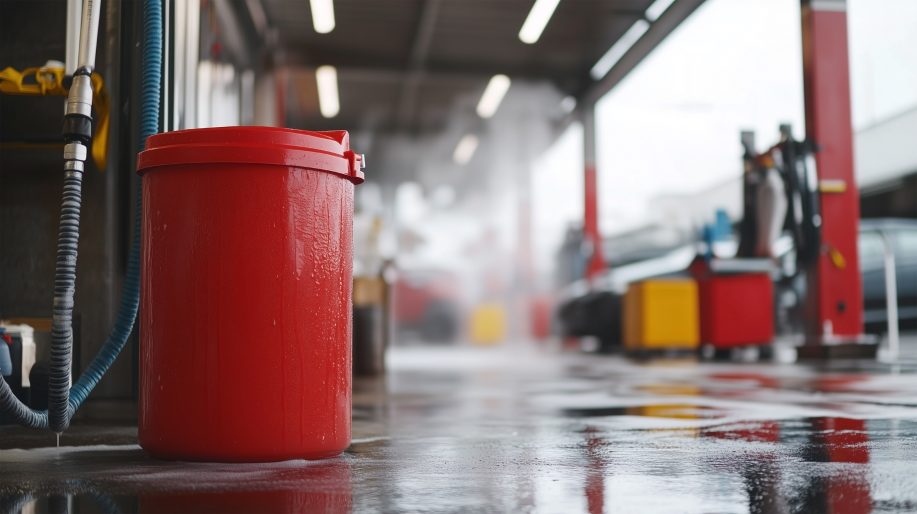
Spring has sprung, and that means that rain is in the forecast. With the added precipitation and wetter conditions, comes a greater chance of accumulation and tracking that moisture through your building, increasing the risk of slip and fall accidents on your property.
Canada-wide, approximately 60,000 workers get injured annually due to falls, 22 per cent of slip and fall injuries result in workers missing more than a month of work, and an estimated 85 per cent of fall-related workers’ comp claims result from slips. Along with injury, these extended absences can cause major financial and labour disruptions, especially for employees in physically demanding roles.
Maintenance managers can help keep visitors and staff safe, remain compliant, and reduce the risk of slip and fall accidents by taking a few simple steps to prevent these accidents before they happen.
Outside
Now that the snow has melted, it’s time to plan for upcoming outdoor maintenance.
- Start by identifying any uneven surfaces, cracks in the sidewalk, pathways, or parking lots that may have occurred during winter’s freeze-thaw cycle and put a plan in place to repair these areas to reduce the risk of tripping and falling while on your property.
- Check outdoor lighting to ensure that all areas are well lit, so visibility is as high as possible when it starts to get dark. This includes areas with matting or steps you have at the building entrance that can be hard to see in dimmer light.
- While planning outdoor (and indoor) maintenance, practice safe ladder and roof practices to limit fall risk and keep staff safe.
- Provide the proper PPE and safe attire to help minimize risks with proper fitting, slip-resistant boots or shoe covers too better grip slippery or wet surfaces.
Inside
There are some steps managers can take to reduce the risk of slip and fall accidents inside the facility:
- Check inside the building for tripping hazards too, like uneven tiles, raised carpeting, or obstacles being stored in the way of traffic. Address these issues promptly.
- If you do not have matting inside the entrance, consider adding a mat that will help absorb moisture and keep it from being tracked through the building and causing slippery floors.
- Ensure that you have adequate signage available for cleaners or when wet surfaces exist so you can draw attention to the area for staff and guests. While you may already have a policy in place where spills or wet areas are cleaned up immediately, signage can help if there are any delays or the issue is recurring.
- This is the time of year when roof leaks can occur, too, as the snow melts and your roof is exposed. Check for interior signs of a rook leak such as stained tiles, peeling paint, the smell of mildew, or mould. These are all signs of moisture in your building, and a roof leak could cause interior damage and water on the floor could present a potential slip and fall accident.
- Consider adding non-slip surface coating to high traffic areas that present a risk, such as stairwells, to add grip to the flooring. Many of these are clear and invisible, providing protection without affecting the aesthetic.
- Look for areas where electrical cords or cabling might be a tripping hazard and removing or addressing those hazards.
Putting policies in place
Developing procedures to address potential slip and fall risks will help take a proactive approach. Consistency means that staff will know how to address a situation every time, making it safer, simpler, and less risky for staff and guests.
- Cleaning and maintenance staff are often the people who will be identifying these issues, so training them on standardized procedures help eliminate any variability.
- Creating documented processes to clearly define how floors are cleaned, how moisture is managed, and how areas are verified safe will keep staff effective and occupants safer.
- Also, clearly define roles, from cleaning to maintenance, and make it clear whose role involves ensuring that these risk factors are prioritized so they don’t fall through the cracks. Documentation and procedure are the key to a proactive approach.
- Consider creating cleaning schedules that allow floors to be mopped at off-peak times, include vigilant monitoring during inclement weather, and practice proactive inspecting the building (inside and out) for on-going potential risks. These steps can help managers stay on top of the condition of the building and keep occupants safer from slip and fall accidents.
Reactive approaches to slip prevention focus can be common, including responding only after incidents occur, conducting investigations, adjusting materials, or increasing signage following a reported injury. While accidents can still happen even with the correct procedures in place and corrective action is necessary, reactive strategies do not address the systemic risk factors. Create a proactive plan to reduce the risk of slip and fall accidents on your property this season.