





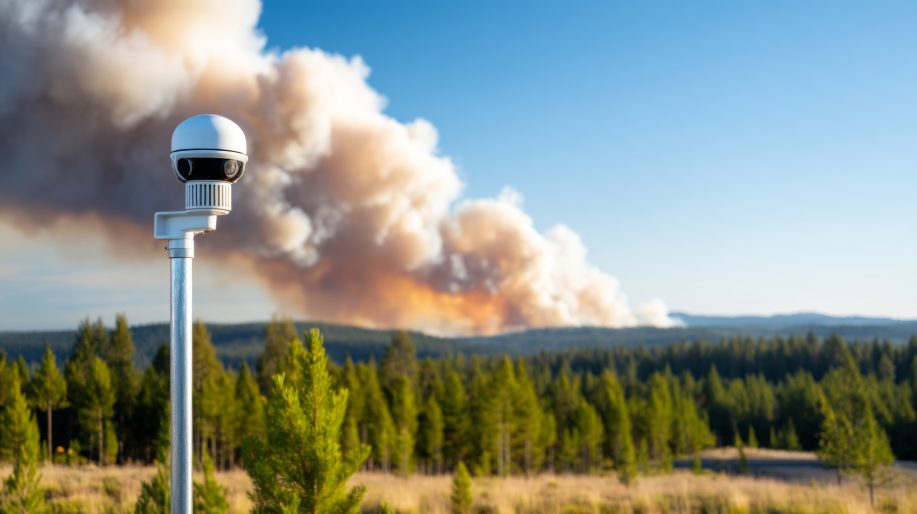
Wildfire activity across northwestern Ontario continues to intensify, with the Ministry of Natural Resources reporting approximately 148 active wildfires across the region, and cities all over Southern Ontario are experiencing hazy skies, smoke, and air quality alerts.
Maintenance managers can help keep outdoor workers safe by:
- Monitoring weather warnings and re-scheduling work for when IAQ levels improve. Limiting strenuous activity and including frequent breaks can also make work more bearable until the air clears.
- Providing PPE like masks and breathing apparatus, and training staff on proper use keeps them protected for work that absolutely necessary during these conditions.
- Training supervisors and staff to recognize symptoms of smoke inhalation like coughing, scratchy throat, or coughing and following company protocols and guidelines, should they witness them will help keep everyone safe.
- Offering air-conditioned work vehicles for workers who are on the road to limit exposure, recirculate the air and prevent letting in any outside air can make conditions more bearable.
- Checking on local regulations will allow you to increase safety and remain compliant.
Smoke can travel far beyond the point of origin, spreading through ventilation systems and across multiple floors to contaminate surfaces, contents, and mechanical systems. To help minimize smoke infiltration and minimize damage in your building, First Onsite Property Restoration offers these tips for maintenance managers:
- Arrange a professional inspection. Smoke contamination can spread into hidden areas that require specialized equipment to identify.
- Understand where smoke accumulates. Smoke is often drawn to the coolest parts of a building, where contamination can be most severe.
- Check for residue. Wipe a window with a clean white tissue. Light brown dust is typically household dirt, while grey or black residue may indicate smoke contamination requiring professional remediation.
- Leave electronics turned off. Soot can infiltrate sensitive components and cause further damage if devices are powered on before cleaning.
- Reduce smoke entry. Keep doors and windows closed and, near active wildfire areas, seal gaps around frames where practical.
- Improve indoor air quality. Use an air purifier to help reduce airborne particulates.
- Replace HVAC filters frequently. During prolonged smoke events, filters may need changing every few days or weekly depending on air quality.
- Act quickly. Address contamination as soon as possible to reduce long-term damage and simplify restoration.
Wildfire season threatens the air quality for your teams – inside and out – so take steps to maximize safety and minimize the potential smoke damage to your building.