Articles Archive - Page 394 of 928 - REMINET
REMI

YVR completes Pier D terminal expansion project

Vancouver Airport Authority (YVR) has completed its Pier D international terminal building expansion project.

The $300 million expansion was designed by Kasian Architecture, built by PCL Construction, and the digital experiences were designed by Creacom and Eos Lightmedia.

The expansion includes eight additional wide-body gates, four jet bridge gates and four remote stand operation bus gates to increase capacity in the international terminal. The new restaurants and bars, retail areas, digital art and pet relief area improve the passenger experience. An iconic showpiece within the expansion is an island forest, complete with three live hemlock trees and contained within an open-air glass atrium. The open roof allows rain and snow to fall into the atrium in the center of the terminal.

This was a significant project in the history of YVR and the largest expansion since 1996.

Construction started in 2018 on Pier D, the first phase of the terminal building expansion plan. The project was originally scheduled for completion and opening in June 2020, but when COVID-19 hit in March, construction activities on the nearly-finished wing were temporarily halted until August.

Due to COVID-19, plans to open the facility are on hold. The Pier D Expansion is a strong investment in the future and is aimed at positioning YVR well for when air traffic rebounds to pre-pandemic levels.

Other features in the new expansion include: yoga, prayer and quiet room, private nursing room, Musqueam artist designed vision strips, hot and cold water bottle refill stations, and outlets and charging stations.

Design finalists named in Volvo garage challenge

Volvo Cars Canada and the Interior Design Show Toronto have revealed the shortlist finalists for the New Garage sustainable design challenge.

The New Garage Design Challenge aimed to empower conceptual thinkers, design thought leaders, and ultimately inspire all eligible Canadians to re-think the garage and vehicle relationship into one that embodies innovative, beautifully designed and sustainable elements. Submissions from across Canada were accepted between October 29th – December 31st, 2020.

“We were all agreeably impressed with the diversity in design thinking across the entries,” said Robin Page, head of design, Volvo Cars. “The interpretations were clean and modern, Scandianvian-inspired, but also imaginative in the ways they re-framed the space to embrace nature and address more liveable functions.”

The finalists are:

Jerry Liu and Jesse Basran, design partners, BLA Design Group from Vancouver.
The New Garage design, ‘Modul,’ is a prefabricated, modular building that revitalizes suburban laneways. It creates a compact multi-functional space for vehicle parking, storage, home office, and other stay-at-home activities, while encouraging lane activation and interactions between neighbours.

Keillor MacLeod, industrial designer, Keillor MacLeod from Toronto.
MacLeod’s design is inspired by the Swedish movement of Naturhus to create living spaces surrounded by plants. The garage becomes a greenhouse, encased in insulated glass, to create a self-contained ecological system.

Tiam Maeiyat, R&D creative designer, PNH Solutions from Montreal.
‘Parking-Parc’ upcycles the garage space into a new form of the family room. Linking inside and outside together with light and transparency, the design creates possibilities for quality family time, regardless of time or season.

Shirley Shen, Travis Hanks, John Roddick, Jorge Roman, Ana Cadena from Haeccity Studio Architecture in Vancouver.
Haecity Studio Architecture’s New Garage design, ‘Mainspring’, turns the garage space into a car sharing opportunity for the whole community. By creating a communal garage, all other existing garages in the neighbourhood have the opportunity to be transformed into a new space that invests in mentally and physically recharging activities.

Sean Solowski, architect, MacLennan Jaunkalns Miller Architects from Toronto.
‘Restore’, is a pavilion that embraces technology and honours the natural environment. A reinterpretation of the traditional garage as a space that recharges both motor and mind in equal measure.

The winning submission will be announced in March 2021 and the winner will receive a $2,500 cash prize and be showcased at the 2021 Toronto IDS.

GBAC STAR Service Accreditation now available for cleaning providers

Building service contractors and other cleaning service providers now have a new way to show off their credentials thanks to the GBAC STAR Service Accreditation Program.

The Global Biorisk Advisory Council (GBAC), a Division of ISSA, has launched the accreditation for BSCs and other outsourced cleaning service providers. The program provides third-party validation of a cleaning service provider’s cleaning, disinfection, and infection prevention protocols and procedures.

“Building service contractors are on the frontlines of cleaning, disinfecting, and infection prevention of facilities during the pandemic, and many are looking for ways to promote their expertise,” said GBAC Executive Director Patricia Olinger. “Expanding GBAC STAR accreditation to these service providers enables them to expand their knowledge of cleaning, disinfection, and infection prevention, and to demonstrate to customers and prospects that they can manage risks today and in the future.”

BSCs and other cleaning service providers that want to demonstrate their commitment to building occupant health and safely through a respected, third-party accreditation can achieve GBAC STAR Service accreditation by completing the program’s training requirements and implementation guidelines. This program is ideal for facilities seeking ways to prevent the spread of infection among staff, customers, and guests, and be fully prepared for potential outbreaks in the future.

The Services Accreditation is the latest branch of GBAC STAR accreditation. The flagship Facility Accreditation program has already seen vast uptake across North America and the world.

“Cleaning service providers are often responsible for managing cleaning programs or working alongside established custodial teams in facilities like schools, stadiums, convention centers, and more,” said ISSA Executive Director John Barrett. “Now, BSCs can pursue accreditation to further enhance their service offerings and complement the GBAC STAR Facility accreditation to which more than 4,000 facilities around the world are committed to achieving.”

AdvantAge Ontario research backs seniors’ “campuses of care”

Newly released research from AdvantAge Ontario sheds positive light on a “made in Ontario” model of senior care that has been operating successfully for decades. Known as “campuses of care” or seniors’ villages, these are settings in which a mix of community-based health and social supports are offered in one location along with different types of housing and long-term care beds.

“Campuses offer a sustainable and innovative solution for a new generation of seniors’ care,” said Jane Sinclair, Chair of the AdvantAge Ontario Board of Directors. “They bring services, supports and care together in one setting, which is incredibly valuable. But more importantly they are vibrant, age-friendly communities that promote friendships, social inclusion, mutual support, and positive aging.”

AdvantAge Ontario initiated a multi-year, province-wide research study of campuses of care supported by a Canadian Institutes of Health Research (CIHR) Health Systems Impact Fellowship and with in-kind contributions from the Institute for Health Policy, Management and Evaluation (IHPME) at the University of Toronto. The final report, recently published by BMC Geriatrics and titled, “Seniors’ Campus Continuums: Local Solutions for Broad Spectrum Seniors’ Care,” is the first academic research of its kind on campuses.

“This is tremendously exciting,” said Lisa Levin, CEO of AdvantAge Ontario. “Not-for-profit and municipal long-term care providers were early pioneers of the campus model, and this research has generated much-needed, evidence-based knowledge to guide the development of future campuses.”

The association’s research identified many important advantages offered by campuses, including built-in opportunities for providers and community partners working alongside each other to communicate, collaborate, and share expertise and resources. This promotes more integrated, person-centred care that avoids unnecessary long-term care placements and hospital admissions and ensures quicker discharges when hospitalization does occur.

Moreover, by building “critical mass,” campuses become attractive partners for municipalities, businesses, faith organizations, schools and universities to access new resources, create new opportunities for on-campus and off-campus communities, encourage volunteerism, and train new generations of care workers, clinicians, and researchers.

The association has also released an Executive Brief based on this research, titled “Campuses of Care: Supporting People, Sustaining Care Systems in Ontario”, which is intended for policy-makers, providers and others who are planning to build, scale-up or spread campuses of care.

“The COVID-19 pandemic and the terrible toll it has taken on long-term care adds greater urgency to discussions on how to keep residents safe and healthy and to ensure that we have viable options for the vast majority of Ontario’s seniors who wish to continue to live as independently as possible for as long as possible,” said Levin. “Campuses are uniquely equipped not only to respond but also to lead the creation of new and innovative approaches to care that support people and sustain health care systems.”

AdvantAge Ontario is an association representing the full spectrum of the senior care continuum, including not-for-profit, charitable, and municipal long-term care homes, seniors’ housing, assisted living in supportive housing and community service agencies.

Facility managers turn to augmented reality

For facility managers responsible for keeping buildings clean and safe, augmented reality (AR) is becoming a useful tool.

An increasing number of managers are turning AR to help them with their cleaning and maintenance to keep visitors and occupants safe.

The technology first became most popular in the gaming and entertainment field but a recent survey shows it has a considerable role to play in facility management during the COVID-19 pandemic.

A new report from AI and computer software developer Resonai has found that 20 per cent of facility managers are currently using AR. While one in five managers are already utilizing this technology, nearly three-quarters (73 per cent) expect to implement it over the next two years.

Augmented reality’s current usage is most prevalent in healthcare facilities, of which 30 per cent have already implemented it. That was the highest percentage found in a single field, ahead of manufacturing facilities (26 per cent), educational facilities (25 per cent), and corporate offices (23 per cent).

AR technology is used mostly for marketing applications such as tours and demos, at a rate of 20 per cent, followed by industrial manufacturing applications (18 per cent), smart maintenance and repairs (12 per cent), tenant and visitor services (10 per cent), and training/tutorials (10 per cent).

Meanwhile, facility managers cited the automation of maintenance processes (49 per cent) as the greatest benefit offered by augmented reality. Other key motives were prevention of maintenance issues (45 per cent), training and tutorials (38 per cent), property sales and leasing (32 per cent), reduction of physical contact during the COVID-19 pandemic (27 per cent), and creation of new revenue opportunities (27 per cent).

The report is based on a digital survey that quizzed senior facility management directors and executives from the United States and Europe in various industries including corporate offices, manufacturing, retail, residential, health care, education, entertainment, and grocery. The survey, conducted from November 2020 to January 2021, aimed to better understand the current trend in the usage of AR.

According to the report, AR technology is expected to see “explosive growth” in the coming years. Goldman Sachs Research projects the industry to represent an over-C$100 billion market by 2025.

Biophilic design and the impacts on health

Wood, Well-being and Performance: The Human and Organizational Benefits of Wood Buildings authored by Dr. Graham Lowe summarizes the latest scientific research and converging trends on biophilic design.

The report examines the use of wood in offices, healthcare facilities, schools and other commercial and institutional buildings by synthesizing state-of-the-art knowledge from research literature. The report also suggests future actions that decision-makers can take to monitor and evaluate the human and organizational impacts of wood building structures and interiors.

It explores wood’s impact on well-being and human performance when it is a design feature visible to a building’s occupants. Architects, interior designers, researchers, civic leaders, facility managers and anyone interested in biophilia, developing and supporting healthy and productive learning, working and healing environments can benefit from this latest resource.


www.naturallywood.com

Four-storey wood school design in British Columbia

As land values continue to rise, particularly in higher-density urban environments, schools with smaller footprints will become increasingly necessary to satisfy enrollment demands. There are currently several planned new school projects throughout British Columbia that anticipate requiring either three-or four-storey buildings, and it is forecast that demand for school buildings of this size will continue to rise.

Though timber construction would offer a viable structural material option for these buildings, the British Columbia Building Code (BCBC 2018) currently limits schools comprised of timber construction to a maximum of two storeys, while also imposing limits on the overall floor area.

Given these constraints, the development of viable structural options that would accommodate larger and taller schools constructed primarily with timber materials has not been a key focus.

The report Four-Storey Wood School Design in British Columbia: An Analysis of Structural System Cost Comparisons provides guidance in assessing and comparing the various framing options considered in the previous report primarily on a cost basis.

www.naturallywood.com

ISSA planning for in-person ISSA Show in November

After going virtual in 2020 due to the impacts of the COVID-19 pandemic, ISSA is planning to return to an in-person ISSA Show North America for 2021.

The ISSA Show North America is currently set to be a live, in-person event once again, held from November 15-18 at the new Las Vegas Convention Center West Hall in Las Vegas.

The association is currently casting its exclusive Call for Proposals for this year’s edition of the annual conference and exhibition. The deadline to submit proposals is March 1, 2021.

Administrators, engineers, managers, advocates, and other representatives of the professional cleaning and facility maintenance industries may submit proposals via the ISSA Show website for inclusion in the show’s industry-leading education program. ISSA and Informa Markets are especially looking to hear from underrepresented groups within the commercial, residential, and institutional cleaning communities.

ISSA expects to host dozens of education sessions, seminars, and demonstrations during the four-day ISSA Show North America 2021. Education session topics include infection prevention, industry trends, best practices, emerging technologies, professional development, and other timely, relevant content for cleaning-industry distributors, building service contractors, in-house facility service providers, and residential cleaning organizations.

ISSA has secured discounted rates at a selection of Las Vegas hotels and onPeak, the official hotel provider for ISSA North America 2021, offers convenient hotel options with flexible change and cancellation policies.

The 2020 Virtual ISSA Show North America attracted 13,500 unique platform visitors from 79 countries, with over 6,284 creating personalized Virtual Planners and/or registrations.

Investing in Canada’s aging residential towers

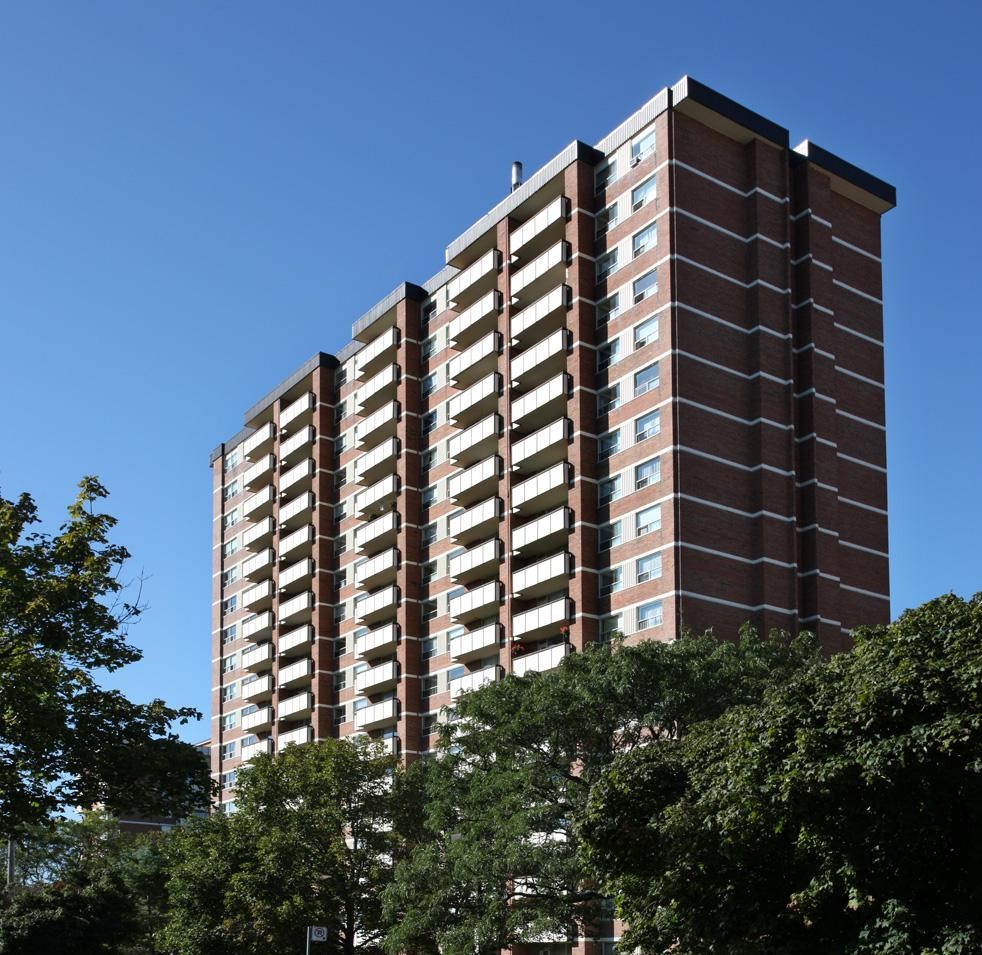
Aging residential towers are the backbone of the rental stock in Canada. Peppered throughout our cities and suburbs, these mainstay buildings are home to hundreds of thousands of households with modest and low incomes, including a large portion of the frontline workers who’ve been disproportionately affected by COVID-19. In Toronto, over 500,000 residents currently occupy the 1,189 buildings commonly known as “towers-in-the-park.” These products of the 60s and 70s typically share the same physical attributes, like rectangular concrete frames, repeating balconies, and large open spaces that set them well back from the city’s sidewalks and roads.

Long before the 2020 pandemic reared its ugly head, concern was brewing over the lack of investment going into this essential affordable housing stock. A recent report by the Urban Land Institute points to high greenhouse gas emission footprints, low resilience, susceptibility to catastrophic system failures, poor housing quality, and an increasing concentration of “vertical poverty” as some of the major challenges facing building owners and the city alike.

Jim Heid, FASLA Founding Partner and chair of the Toronto Advisory Services, asserts that upgrades for Toronto’s aging slab towers have surpassed the critical point: “There were readily evident life safety risks created by the current state of many of the buildings. What the pandemic did was put another lens – health risks – on the urgent need for upgrades. As highly dense living environments with substandard ventilation and reliance on small elevators, the towers and many older multifamily properties risk losing property value as people see a new kind of risk that they might not have thought about before.”

Mission critical in a post-pandemic world

With lower-income residents making up a significant portion of the city’s frontline workers, the pandemic has underscored the need to drive investment in these “substandard” rental towers that so many families and vulnerable citizens call home.

“Building upgrades have always been mission critical,” says Brad Dockser, panelist at the Toronto ASP event and Chief Executive Officer and Co-founder at Green Generation in Bethesda, Maryland. “However, the pandemic has served as a catalyst for accelerating the focus on building upgrades and making buildings greener. Now there is a new bar. What owners should have already been doing is developing long-term energy plans to not only meet resident needs, but to drive strategic value from assets and create a compliance path for existing regulatory requirements.”

Having reached or exceeded the 35-year mark, it’s no surprise that a significant number of these towers are now plagued with serious problems. In addition to original heating systems and inefficient windows, many have no backup power — meaning key systems like heating, water, elevators, and lighting would not work in the event of a failure. Meanwhile, a whopping 94 per cent do not have central air conditioning, leading to potentially unhealthy indoor air temperatures throughout the summer months.

According to Heid, the main barrier preventing building owners from completing the necessary upgrades is the same reason regardless of property type: a short-term view of trying to minimize costs and maximize returns quickly versus looking long term at how an investment creates more value. But Heid also acknowledges that the problem cannot be solved by property managers and owners alone.

“There needs to be creativity at the regulatory level,” he says. “More assistance at the funding level and more pilot projects using social housing as a subsidized proving ground to test new systems and ideas, which can be adopted and brought to scale economically by the private sector.”

Furthermore, Dockser adds that while the vast majority of building owners understand the importance of making upgrades and having a comprehensive energy plan, they often don’t know where to begin. “It’s vital for owners to engage with strategic partners that have the technical expertise needed to turn a vision into an actionable plan in terms of timing, costs, technology, etc.,” he says. “Even though an on-site engineering team may have deep familiarity with the building, they may not have the insight into other aspects, like rebate programs or energy modeling. Comprehensive, end-to-end partners with deep knowledge and experience can help bring a global perspective to local projects and enable owners to plan for the long term.”

Getting the ball rolling

The first step toward revitalizing Canada’s aging residential towers is an understanding of the far-reaching benefits. For building owners, these include reduced regular maintenance, lower rate of tenant turnover, less risk of litigation and code violation, better quality tenants and the potential for premium pricing. Residents, meanwhile, benefit from improved comfort, safety and satisfaction, leading to a better quality of life. Communities and cities reap the rewards of superior housing stock that meets today’s bar.

Dockser advises residential building owners to engage with their teams and select strategic partners to help critically review their assets: “Trusted partners serve to help owners better understand how to develop the energy plan, including technology selection, energy modeling, financing, and communicating with stakeholders,” he says. “With Prime Minister Trudeau’s plans for achieving net-zero emissions in Canada by 2050, it’s critical that owners familiarize themselves with incentives at both national and provincial levels and understand the various capital market innovations and financing schemes available to them.”

“Audit, audit, audit,” adds Heid. “It’s hard to effectively evaluate what is needed, the potential return on investment, and the risk of loss in terms of both tenants and property value if you cannot see the entire picture. Evaluate energy systems, life safety matters, livability functions and risks presented to personal health. Rank the severity of the problem and look for creative solutions. Looking holistically can often lead to stacked benefits, where one change can resolve two or three issues at once. But if you don’t know all the issues you might not know how to optimize a specific investment to its highest return.”
aging residential towersA broad vision needed to support tower renewal

To build public support for the Tower Renewal Program and the political will to see it implemented aggressively, the mission and vision of these deep retrofits needs to be clear. They include:
• Creating a more resilient asset that will be safe and viable into the future;
• Improving the resident’s overall quality of life;
• Enhancing community resilience;
• Enhancing asset value over time while maintaining affordability;
• Reducing public expenses (e.g., health, emergency, temporary shelter, and fire); and
• Reducing social costs such as lost school days, workdays, and rising inequality.


Q4 cap rate trends vary by sector

Cap rates trended upwards for downtown office, hotels and most retail categories during the fourth quarter of 2020, while compressing further for industrial and low-rise multifamily properties. CBRE’s newly released Q4 statistics and commentary contends: “investors are clearly looking past the next two to three quarters and making decisions based on the longer-term economic landscape”. The national average cap rate held relatively steady just below 6 per cent throughout 2020, ending the year 499 basis points above the 10-year Canada bond yield.

Multifamily cap rates continue to be lowest among asset types, particularly for Class A high-rise product. Q4 finds the national average at 3.75 per cent with rates lower still in Vancouver, Toronto, Ottawa and Montreal. The national cap rate for Class A low-rise compressed to 4.4 per cent in Q4, with lower averages seen in Vancouver, Victoria, Toronto, Kitchener-Waterloo, Ottawa, Montreal and Halifax. Nearly $11 billion in apartment sales in 2020 surpassed 2019 investment by about $1 billion.

“While newly released data from CMHC showed that vacancy rates increased in most markets over 2020, rents have continued to trend upwards and investor interest in rental properties has remained elevated,” maintains David Montressor, executive vice president with CBRE’s national apartment group. “Liquidity for the property type has remained exceptionally strong.”

Investment activity was subdued in the seniors housing sector last year, but CBRE analysts see hints of a possible uptick in the coming months. National cap rates were pegged at 6.2 per cent for Class A independent/assisted living properties and 7.6 per cent for Class B facilities with long-term care homes at 7.5 per cent at year-end 2020. Escalating costs of new development and the perceived spate of global capital waiting to be deployed underlie forecasts for future deal-making.

“It’s expected that 2021 will bring significant capital flows beginning as early as Q2 2021 as groups mobilize early to not miss out on the recovery and to take advantage of all-time low interest rates,” says Mathew Burnett, CBRE’s senior vice president, health care capital markets. “This increased demand, together with the downward pressure on development returns, suggests there may be room for cap rate compression in 2021.”

Analysts have perhaps more certainty in predicting the same outcome for industrial cap rates. The national cap rate dipped lower in Q4 2020 — edging below 5 per cent for Class A properties, while resting marginally above 6 per cent for Class B facilities. Investors have particularly pursued opportunities in Vancouver, Toronto and Montreal, which all posted low-end cap rates below 4 per cent for Class A and below 5 per cent for Class B industrial.

“Insatiable demand fueled by sectoral tailwinds for logistics-related assets pulled cap rates lower and sales prices per-square-foot to record levels,” recounts Paul Morassutti, CBRE’s vice chair, valuation and advisory services.

Turning to the sectors sustaining the hardest hits from COVID-19, Q4 cap rate trends were generally on the incline for hotels and retail. Strip malls were the exception, with the national average remaining steady in the 5.8 per cent range. “Investor appetite for this category has remained elevated due to the continued performance of needs-based retailers,” CBRE commentary states.

As with other sectors, hotel cap rates in Vancouver, Toronto and Montreal are lower than the national average and Montreal uniquely recorded Q4 compression for downtown full-service and focused service properties. Generally, though, it has been a year of dramatically declining revenue and little investor interest.

“As 2020 came to a close, investors acknowledged upward pressure on their return expectations due to the tightening in the lending market, delayed recovery expectations and challenged cash flows in the short term,” notes Mark Sparrow, executive vice president of CBRE hotels. “National RevPAR finished 2020 down by more than 60 per cent as a result of the pandemic. This put significant pressure on operators to make major adjustments to their operating model in order to try to achieve some level of profitability.”

EllisDon Community Builders to deliver affordable housing

EllisDon has launched EllisDon Community Builders (EDCB), a new group within the company to assist clients who wish to deliver affordable and supportive housing. EDCB provides an array of development management services while leveraging EllisDon’s turn-key cradle-to-grave project capabilities to bring high-quality affordable and sustainable developments.

“We have undertaken a unique approach to addressing Canada’s affordable housing crisis with a replicable and scalable solution,” says Nicholas Gefucia, EllisDon Community Builders vice president. “Our offering is not simply a development and construction solution. It is a holistic and comprehensive approach that ensures the delivery of assets that communities can be proud of.”

EDCB will lead the development of housing concepts that will incorporate input from design, construction and operating teams in the earliest stages of projects, while working alongside its clients and partners to ensure the successful delivery of projects on-time and on-budget. Early involvement enables the utilization of the full breadth of EllisDon’s expertise and experience. By engaging stakeholders from early concept to project completion, EDCB ensures intended outcomes are achieved and that each asset showcases its community at its absolute best.

“Our aim is to partner with those who share our main focus, which is affordable and sustainable housing. Our model supports this, and EllisDon’s national reach, including in the far North, and will foster a scalability that we believe will effectively address affordable housing challenges across Canada,” says Gefucia.

EDCB has designed a flexible and holistic template design for affordable and supportive housing developments. This sophisticated building concept has been created with the flexibility to seamlessly fit into a variety of community contexts, while prioritizing cost, schedule efficiency and best value for money, along with durability.

The most up-to-date standards surrounding energy performance, greenhouse gas emissions, accessibility, and whole-life performance are key factors adhered to within the design template.

Key lessons in washroom hygiene from COVID-19

As the COVID-19 crisis continues with new strains emerging, businesses and governments are adjusting their washroom hygiene strategies for dealing with the pandemic.

For example, Germany has instituted a new Occupational Health and Safety Rule that requires disposable paper or textile towels to be available in public washrooms. It also discourages the use of warm air dryers for hand drying due to concerns around the spread of COVID-19. Some multinational companies have taken a similar step, pledging to remove air dryers and use only paper towels in washrooms moving forward.

Hand hygiene remains of critical importance for organizations to thrive in the new climate created by COVID-19. This is one of two major lessons facilities can take away from the pandemic. The other is that a new and higher expectation of overall cleanliness exists among employees and guests, regardless of facility type.

Two Key Lessons for a New Age

To move a facility into the post-pandemic world with confidence, it will be important to understand the following lessons:

Hand hygiene remains paramount

Long understood as the easiest way to slow the spread of respiratory pathogens like influenza, widespread hand hygiene can be a powerful asset in keeping employees and facility occupants healthy. The pandemic placed hand and washroom hygiene in a brighter spotlight, which isn’t likely to fade when COVID-19 cases diminish.

In fact, 90 per cent of Americans say they are handwashing more frequently, thoroughly, or for longer during the pandemic, and 88 per cent claim they will continue following handwashing best practices even after the pandemic. According to the World Health Organization, the handwashing process should take about as long as singing “Happy Birthday” twice, including rubbing hands together vigorously, and individuals should use a paper towel to dry hands.

As vaccinations continue, and some people feel more confident visiting indoor environments, facilities must continue to promote proper handwashing and hand-drying and make these processes easy to execute. A 2017 Harris Poll found that 69% of Americans prefer using paper towels over air dryers in public washrooms. While the United States has yet to implement a rule similar to Germany’s, businesses can follow best practices by stocking paper towels in washrooms even if there are air dryers.

Innovative solutions can help enhance washroom hygiene

In addition to providing paper towels in washrooms, businesses such as hotels and restaurants may also consider additional hygienic solutions. Door tissue dispensers placed near exits and major touchpoints can help reduce surface contamination on door handles or elevator buttons. Meanwhile, hand sanitizer stations in high-traffic areas can offer occupants uninterrupted hand hygiene and pathogen protection.

There are some dispensers that have antibacterial elements to prevent germs from lingering on their surfaces. There are also toilet paper options designed to eat away at buildup in pipes to prevent toilet clogs – further enhancing washroom cleanliness and promoting a commitment to hygiene.

Overall, carefully selecting washroom solutions to promote hygiene can mean the difference between an adequate washroom experience and a pleasant, memorable one. Improving the washroom experience is an important step toward improving brand reputation.

There is a new standard of cleanliness

Cleanliness and hygiene are critical for creating an inviting facility, and they have been for a long time – whether the occupants consist of 10 full-time employees or hundreds of daily customers. However, the coronavirus pandemic raised the importance of cleaning and disinfection in the minds of the public. Because staff and visitors now demand a higher standard of cleanliness, facility managers need to adjust to meet their expectations.

The dual purpose of meeting the new standard of cleanliness is to create a safe and healthy environment and give occupants and staff peace of mind that the business cares about protecting their well-being. To accomplish these goals, stepping up cleaning and disinfecting frequency is a necessary starting point, especially on high-touch surfaces such as washroom countertops, door handles and toilet flush handles.

In addition, consider cleaning when others are present to further demonstrate that cleaning is a priority. Even though the SARS-CoV-2 virus is known to spread more through droplets in the air rather than via surfaces, it is still prudent to promote good air quality by keeping all areas of the facility clean and sanitized.

Lastly, it’s important to remember that hygiene essentials play a big role in supporting cleanliness. If occupants and visitors don’t have access to soap, paper towels or sanitizer, they may fail to consistently and properly maintain hand hygiene. This can increase the spread of pathogens as well as the burden placed on cleaning professionals to keep facilities safe and clean.

Looking Ahead

Questions still abound for facilities considering reopening to on-site employees or visitors.

How many employees will be fearful of returning to their place of work? Will some workers be hesitant to get the vaccine, even when it’s available to them? Will a significant portion of restaurant patrons be willing to dine indoors? When will eager travellers, weary of life in quarantine, begin to reinvigorate the hospitality and tourism industries that bolster so many local economies? Will guests limit the use of public restrooms, or will they become more reliant on handwashing essentials like soap, water and sanitizer?

These are valid questions. While only time will provide clear answers, businesses that are meeting the new standard of cleanliness in their washrooms and beyond, and enabling proper hand hygiene are ahead of the curve in being ready to welcome employees and customers upon reopening.

Fabio Vitali is Vice President of Marketing for Sofidel, a leading provider of paper for hygienic and domestic use, including its Papernet brand. For more information, visit https://www.papernet.com/americas.

Canary House condo planned for 1850s heritage site

An 1850s-era school-turned-hotel-turned-restaurant will come to life again as the Canary District springs up around it.

Designed by architect and former Toronto mayor Joseph Sheard, the heritage building last welcomed patrons as the Canary Restaurant—the namesake for Canary District—back in 2007.

Now, Dream Unlimited and Kilmer Group have teamed up with designers Elastic Interiors and BDP Quadrangle, to restore and transform the landmark into Canary House. At 13-storeys of mixed-use residential space, the building will form a gateway into the community from its western edge. It will include 206 condo suites, beginning in the high $500,000s. Additional retail commercial space at grade will be introduced to boost the amenity offering to 25,000 square feet.

The 35-acre Canary District has been taking shape ever since the Pan Am/Parapan Am Athletes’ Village evolved from its brief 2015 Games-related uses. Future prospects include a new transit hub that Metrolinx is planning at East Bayfront, and the neighbourhood’s first grocery store (Marcheleo’s Gourmet Marketplace), which will become a 17,000-square-foot “anchor tenant” of up-and-coming Canary Commons.

“The Canary District and The Distillery have been the drivers for growth in the Downtown East, and we believe that this area, just a 15-minute walk from the downtown core, represents one of the best opportunities for living in a complete neighbourhood in Toronto,” said Ken Tanenbaum, vice-chair of Kilmer Group. “The introduction of Canary House is a continuation of this vision, ensuring a diversity of housing and amenities that will serve this growing community for generations to come.”

London-based design firm Elastic Interiors, known for its work in luxury hospitality design, was brought in by Dream and Kilmer for its expertise in weaving together textures, patterns and materials to craft refined atmospheres.

“Elastic Interiors has built an international reputation for its mastery in designing beautiful, serene spaces that enrich the guest experience,” said Krystal Koo, Head of Sales & Marketing at Dream Unlimited. “ We’ve long believed in world-class design at Canary District, and we’re so proud to introduce Elastic Interior’s unparalleled expertise to the Canadian market and to condominium residences for the first time.”

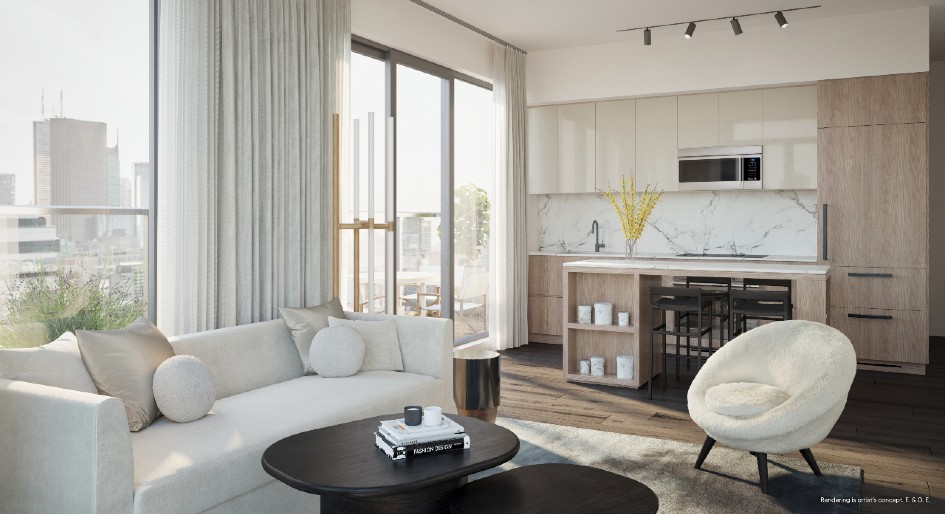
Interior spaces create an authentic feeling of being surrounded by nature, offering a reprieve from bustling downtown city life. Simple and natural finishes define each suite, with contrasting colour palettes and gentle interplay between high and low natural lighting.

Canary House

Interior suite

A fitness studio with a panoramic city view, a theatre and entertainment room, cozy library, open-concept communal kitchen, and a multi-purpose studio allow residents to entertain large groups, work from home, or enjoy a quiet, relaxing day.

Canary House

Canary House library

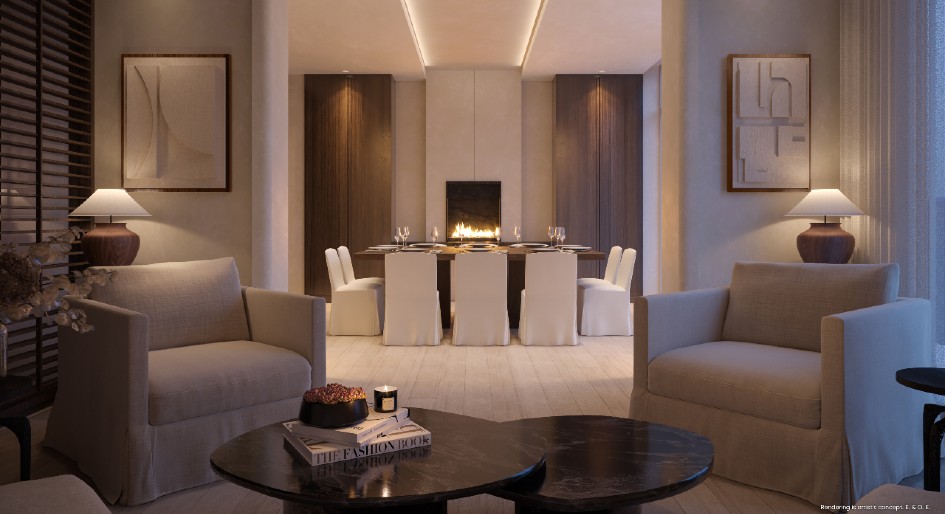
On the ninth floor, a private dining room opens out to an expansive rooftop oasis complete with gardens, a sun lounge, a fireplace and outdoor dining spaces, providing beautiful views of downtown Toronto’s skyline.

Condo

Canary House private dining room

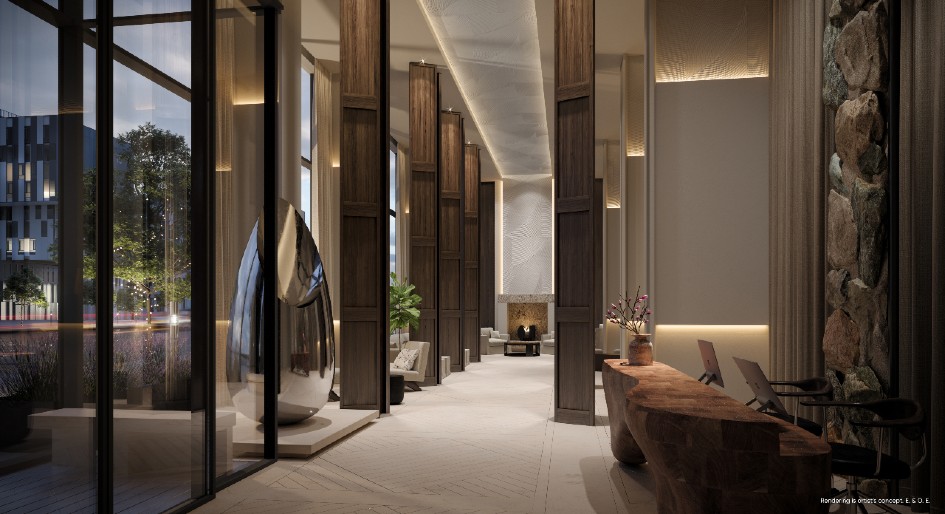
The lobby features handcrafted, artisanal materials refined with natural textures and finishes, such as natural woods and locally sourced stone. Throughout the lobby, distinct spaces are designed to exude different energies, which invite occupants to relax with a warm beverage or get to know their neighbours.

Condo

Canary House lobby

“Our goal was to create a sense of warmth and comfort the moment residents and guests enter the lobby,” said Elastic Interiors Partner Enrique Mangalindan. “We worked tirelessly to create a sense of ‘home’ by crafting a special atmosphere and energy through every detail of the building.”

NKBA reveals 2021 Design Award winners

The National Kitchen & Bath Association (NKBA) announced its 2021 Design + Industry Award winners. The annual competition recognizes excellence in design and execution.

The awards shine a spotlight on the design professionals whose work is elevating the kitchen and bath design, building and remodeling, outdoor living and living in place industries. At this year’s NKBA awards, several Canadian interior design firms received awards.

Reisa Pollard, founder and lead designer at Vancouver’s Beyond Beige, was a multiple winner this year, earning awards in four categories.

Winners include:

TRADITIONAL BATH, LARGE 
Third Place: Reisa Pollard, Founder & Lead Designer, Beyond Beige
North Vancouver
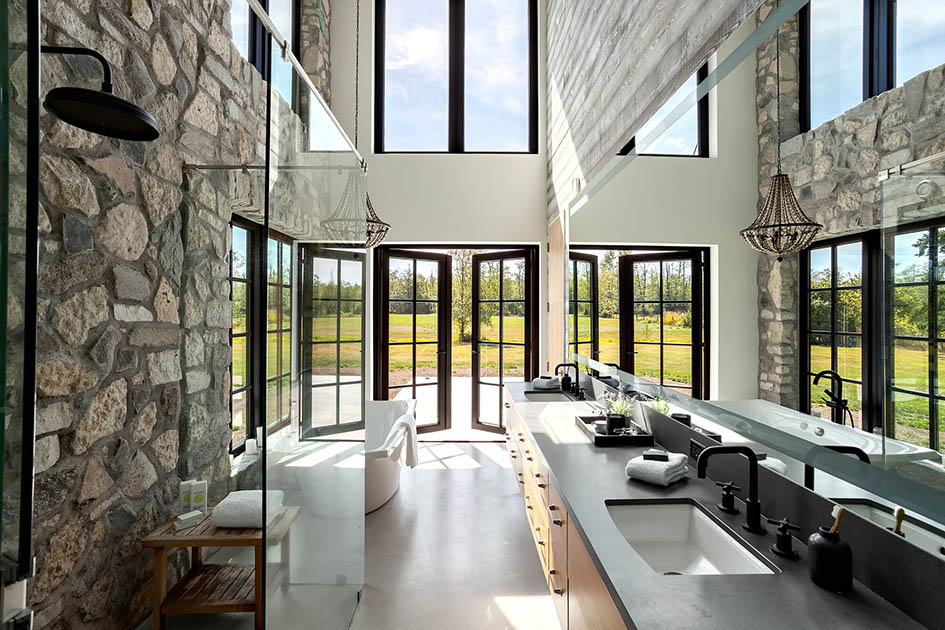
New House on Oldtown Road

TRADITIONAL BATH, SMALL 
Third Place: Reisa Pollard, Founder & Lead Designer, Beyond Beige
North Vancouver
Big Bang on Blenheim

CONTEMPORARY KITCHEN, LARGE
First Place: Madeleine Sloback, Principal, Madeleine Design Group
Vancouver
Ocean Park Estate

CONTEMPORARY KITCHEN, SMALL
Second Place: Nahal Gamini, Interior Designer, Vancouver Development
Vancouver
Beach View Kitchen

Third Place: Mina Zeighami, Founder & Principal Designer, Azure Design Studio
Vaughan, Ontario
Doris Kitchen

TRADITIONAL KITCHEN, LARGE 
Third Place: Mark Cayen, Design Consultant, Empire Kitchen & Bath
Calgary
Bespoke Renovation

TRADITIONAL KITCHEN, SMALL
Third Place: Reisa Pollard, Founder & Lead Designer, Beyond Beige
North Vancouver
Lovely in Lynn Valley

BUILDER-REMODELER, CLAY LYON AWARD
Nahal Gamini, Interior Designer, Vancouver Development
Vancouver

OUTDOOR KITCHEN
Reisa Pollard, Founder & Lead Designer, Beyond Beige
North Vancouver

Manitoba Hydro nixes international consulting

Manitoba Hydro is reasserting authority over its arm’s length technical services subsidiary and terminating international consulting activities as contracts expire. The newly announced dismantling of Manitoba Hydro International Inc. (MHI) will shift domestic elements of its engineering, utility management, high voltage and telecommunication business units back into Manitoba Hydro’s fold and cede the global marketplace to other competitors.

MHI currently manages projects in more than 60 countries on all continents except Antarctica, and is the developer and proprietor of software applications and other transmission management products that have been sold to power utilities worldwide. The decision to shut down the 23-year-old company follows a recent review to assess its alignment with Manitoba Hydro’s strategic priority “to enhance the focus on the utility’s core business of delivering clean, affordable and reliable energy to Manitobans” and address concerns about lack of oversight from the provincial Public Utilities Board.

“Prior to this review, our government was unaware of the risks taken with the operation of Manitoba Hydro International. As a major public asset, we want to ensure the activities undertaken by Manitoba Hydro are in the best interest of its owners — Manitobans,” says Jeff Wharton, Minister of Crown Services.

The review concluded that MHI’s international operations potentially exposed Manitoba Hydro customers to liabilities for employees’ security and other financial risks. It also critiqued the use of Manitoba Hydro assets to pursue business in a highly competitive international consulting market that other Canadian utilities have already deemed unviable. Permanent MHI staff will be offered positions with Manitoba Hydro.

“Offering MHI’s highly skilled employees a chance to join Manitoba Hydro’s team provides a tremendous opportunity to contribute to the value of Manitoba Hydro,” affirms Jay Grewal, Manitoba Hydro’s president and chief executive officer. “Today’s announcement brings an even greater focus to our core business while retaining access to and continuing to market the world-class made-in-Manitoba technology offered by MHI.”

Hospital housekeepers feel underappreciated during pandemic

Frontline cleaning and maintenance staff are increasingly being hailed in some corners for their essential work during the COVID-19 pandemic. However, it appears that recognition is not necessarily being felt by certain housekeepers and related staff.

A recent study published in the American Journal of Infection suggests that hospital environmental service staff, who are often charged with bolstering disinfection and reducing contact transmission, feel they provide little value to their workplaces.

The study found that environmental service workers (ESWs) are not trained as well as they should be and see themselves as having low social status in comparison to other workers, despite acknowledgment of how important their work is.

The assessment was conducted by investigators from Clemson University in South Carolina. It aimed to review and identify factors associated with the disinfection practices of housekeepers and ESWs in healthcare settings and found that such staff face numerous barriers in performing their jobs.

Those barriers apparently include high work demands, “us vs. them” attitudes, interruptions, perceptions of low status or value, and a lack of communication. Investigators determined that these could be improved through advanced training on cleaning and disinfection practices.

“To sustain improvements in disinfection practices, education/training sessions need to be continuous,” the study states. “The long-term commitment of an organization is also essential for continuous improvement in disinfection outcomes. While knowledge transfer is critical for behaviour change, education/training also needs to focus on the skills and perceptions of environmental service workers.”

The study further notes that this training should ideally focus on organizational and work environment elements as well as intra- and inter-personal skills, such as leadership, self-management, conflict resolution, communication, and emotional intelligence.

Training methods suggested include presentations, instruction booklets, photographs, checklists, and online education, focusing on topics like the importance of environmental disinfection, disinfecting frequently touched objects, and transmission of healthcare-associated pathogens and infections.

Investigators noted that a major focus should be on how pathogens can spread in hospital environments and what procedures housekeepers and ESWs can implement to prevent the spread.

“Opportunities for providing feedback during the intervention was reported as a motivational strategy in many studies to improve performance,” the study states.

“Even with the ongoing COVID-19 pandemic highlighting disease transmission in healthcare facilities, environmental services is still an occupation that receives little attention in society and carries low occupational prestige in the United States,” it concluded. “Many ESWs are immigrants, people of colour, and receive low wages. The reviewed studies identified many ESWs who feel limited respect, appreciation, or positive feedback at work, yet ESWs consistently identified the need to do the job well. They are concerned about patient safety, which forces them to do a good job even if it takes too much time and they are possibly underappreciated.”

Americans beginning to drop improved handwashing habits

According to the Bradley Corp’s latest Healthy Handwashing Survey conducted in January, it seems Americans are beginning to backslide on their handwashing habits.

The survey reports that 57 per cent of Americans are washing their hands six or more times a day. That is a considerable drop off from the 78 per cent of Americans who were washing that frequently when the survey was conducted in April 2020, just a few weeks into the pandemic.

In many cases, it appears that statistic does not reflect what Americans are saying about their concerns over COVID-19. 81 per cent of Americans say they are concerned about contracting the coronavirus, but just 53 per cent say they wash their hands after returning from a trip outside the home. Last April, by contrast, 67 per cent were washing after venturing out.

In addition, the survey finds that just 38 per cent are currently reminding family members to wash their hands compared to 54 per cent last year.

“Handwashing has been shown to be a simple, safe and effective way to reduce the transmission of viruses and bacteria, including the virus that causes COVID-19,” says medical microbiologist Michael P. McCann, Ph.D., professor of biology at Saint Joseph’s University. “It is essential that everyone maintain high-levels of personal hygiene and that we not relax our guard now that vaccines are becoming available. Washing our hands, wearing masks and practicing social distancing are all easy things that we can and must do as we try to overcome this virus and return to a more normal way of life.”

The latest edition of the annual Healthy Handwashing Survey from Bradley Corp. queried 1,050 American adults Jan. 11-13, 2021, about their handwashing habits, concerns about the coronavirus and flu, and their use of public restrooms. Participants were from around the country and were evenly split between men and women.

The survey found the length of time Americans are sudsing up has also taken a dive. In January, 67 per cent said they were scrubbing their hands for the recommended 20 seconds or longer, compared to 77 per cent who were washing that long in April 2020.

The rinse-and-run phenomenon has also edged up – although it’s better than pre-pandemic times. This January, when respondents were asked if they have simply rinsed their hands with water instead of washing with soap, 48 per cent admitted to doing so. In April, the number of rinsers dipped to a low of 27 per cent. However, the current incidence of “rinsing only” is better than pre-COVID when 64 per cent of Americans said they had taken that shortcut.

“We’re all experiencing pandemic fatigue but it’s important to maintain handwashing vigilance,” says Jon Dommisse, director of strategy and corporate development for Bradley Corp. “Taking at least 20 seconds to thoroughly clean your hands by washing them vigorously with soap and water – and drying them thoroughly – is time well spent.”

Overall, Americans correctly believe handwashing habits are  better germ-fighter than hand sanitizer. 61 per cent understand their hands are less germy after washing with soap and water than after using hand sanitizer – a fact supported by the CDC. For times when soap and water are not available, the CDC says that using hand sanitizer is a good, second option for hand hygiene.

For more information, visit bradleycorp.com/handwashing.