



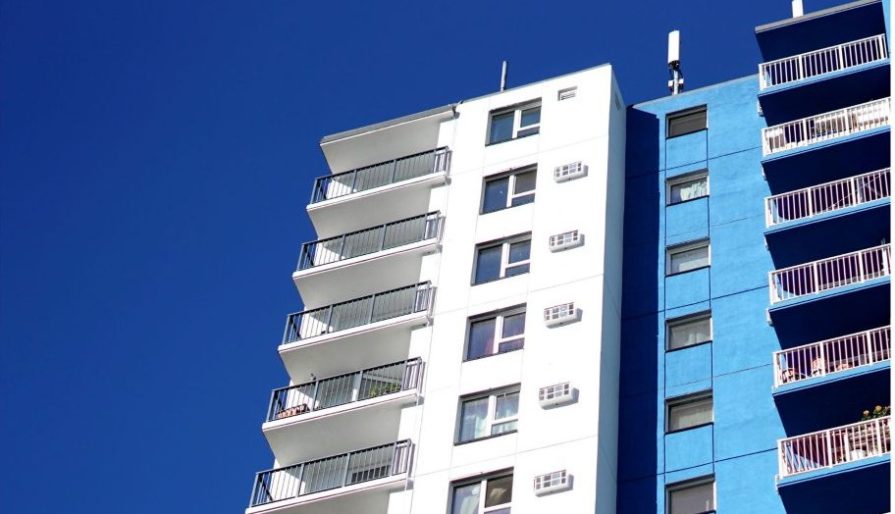
Personal outdoor space in condominiums is a highly sought-after commodity, offering both physical and psychological benefits to residents. A dedicated private balcony not only expands a unit’s livable footprint and increases natural light; it also serves as a quiet retreat for fresh air. However, as a building ages, the need for maintenance often shifts from minor, one-off repairs to a comprehensive balcony restoration project.
Deterioration often manifests as cracking, staining, deterioration of finishes, or other visible signs of distress. In concrete structures, moisture, chlorides, and carbonation can contribute to corrosion of the embedded reinforcing steel, which expands and can cause cracking and spalling. In wood-framed buildings, prolonged exposure to moisture can lead to rot.
Most high-rise condominiums utilize a cantilever balcony design where a concrete slab extends directly from the building’s internal floor slab without external supports. Conversely, low-rise buildings (four storeys or fewer), often feature balconies made of wood or light-gauge steel that can be either cantilevered or supported on columns or end walls. For either system, maintaining effective draining, through slopes, flashing, and sealant is important to help minimize the risk of deterioration.
Railing failure is a critical concern; while minor movement is natural, a wobbly guard should be investigated. The stability of these railings can depend on the strength of the concrete into which they are installed, making this a primary concern if concrete deterioration is present. Further, falling debris from balconies presents a risk to pedestrians and residents on lower floors as spalling concrete or rusted metal breaks away.
Initiating a comprehensive balcony restoration project can feel daunting — especially when you are balancing multiple projects — but it doesn’t have to be that way. The following knowledge and practical guide can be used to help ease you through the process.
Contract Award and Impact on Residents
Transitioning into a construction project can be stressful for residents, making clear communication an essential tool in establishing confidence. The time between a tender closing and physical work beginning can vary greatly depending on contract negotiations and final approvals. Residents will be anxious to have the work completed and return to confidently using their outdoor space. This time can be used to express the prep work expectations from all building occupants.
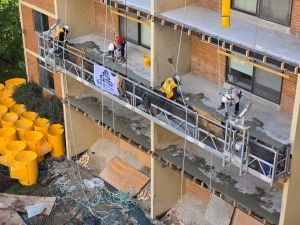 In preparing for work to begin, residents must completely clear their balconies. It is the resident’s responsibility, not the contractor’s, to remove personal belongings. Building management must communicate this effectively, and in some cases, provide accommodations for those residents who may not be physically able to complete this themselves. Once cleared, balconies must remain closed for the duration of the project, and proper signage should be displayed on balcony doors to remind occupants that the area is out of bounds.
Duration and Stages of the Work
Once balconies are cleared and the required access equipment is set up, work can begin. However, it is important to communicate to residents that balcony restoration typically involves a series of stages, where one stage must be completed and reviewed before the next can begin:
- Firstly, where needed, the existing guards are removed, and the Consultant and Contractor work together to identify the areas of concrete requiring repair.
- Next, deteriorated concrete is removed and the areas are prepared. An inspection is then completed to ensure the surface is appropriately ready for the new concrete.
- Once the repairs are complete, the new concrete needs time to cure and dry before waterproofing is applied (when included in the project scope).
- Coatings or waterproofing also require time to cure before any subsequent work can proceed.
- Once the waterproofing is complete, the new balcony guards are installed. With the balcony guards in place, a final inspection is completed to identify any deficiencies.
- Once these are corrected, the balconies can be returned to the residents for use.
Managing Disruption and Delays
The most common complaints during restoration involve noise and delays. All parties need to understand the agreed upon work hours and how weather can affect the project. For example, rain, wet surfaces, high winds, and extreme temperatures can all limit certain aspects of the project and lead to schedule delays.
In the same manner you would include a cost contingency in a contract; project schedules should include weather contingencies to account for unpredictable conditions.
Resident Communication
Regular communication to residents on the status of the project and the reason for any delays is fundamental to any construction project. Residents should be updated regularly, even if the news is simply that the project is progressing as planned. It is also important to explain phased completion (or “drops”), where some balconies may remain closed for technical reasons even if they appear finished while others are opened.
A restoration project is considered successful when safety and performance concerns are addressed, and residents can regain use of their outdoor spaces. By prioritizing proactive inspections, using appropriate repair materials and methods, and maintaining transparent communication, condominium corporations can ensure their balconies are a source of value and enjoyment for years to come.
Pretium Engineering has over twenty years of experience in balcony restoration and construction projects. They proudly serve building owners and managers from locations throughout the GTA. To learn more, visit www.pretiumengineering.com