





With the rising number of wildfires and persistent climate change, many municipalities have imposed water restrictions to try and conserve water through a period of drought. At the end of June, 35 per cent of Canada was classified as Abnormally Dry according to the Canadian Drought Monitor, and for maintenance managers, this can pose a challenge for groundskeeping and landscaping.
RELATED: How can building managers weather potential water shortages?
Here are a few strategies maintenance managers can use to conserve water and adhere to local water bans, while still keeping lawns healthy and maintaining curb appeal:
- If water use is not completely restricted, check the designated watering guidelines for your area to be able to take advantage of when watering is permitted and keep your business compliant. If you have smart irrigation, you can set the timer to run through the allotted time frame so that you don’t miss your window.
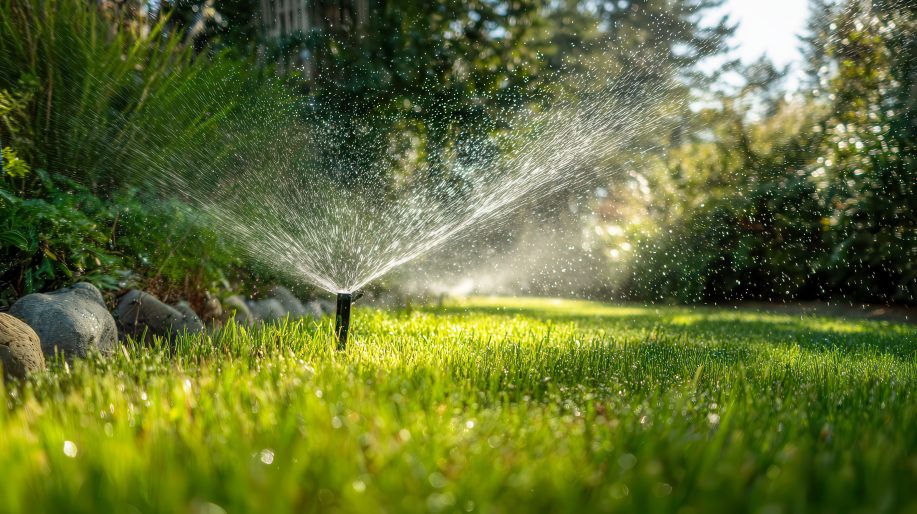
- Evaluate your irrigation system to ensure that it is performing at maximum efficiency. Switch out ineffective spray heads, check that runoff is directed to the lawn, and upgrade to greater pressure if needed.
- Rather than using water when performing other outdoor maintenance, save your water for groundskeeping. For example, use a broom, rather than a power sprayer to clear off walkways or clean parking lots to keep them looking tidy without using water.
- Fertilizing encourages new growth, which increase the need for irrigation. Avoid fertilizing during periods of limited water.
- Adjusting your commercial mower to a higher setting and leaving clippings on the lawn can help provide shade for the soil to minimize evaporation and keep roots and soil hydrated for longer. Adding 2 to 3” of mulch to garden beds can also help retain moisture and discourage weeds, which are an eyesore and compete with greenery for water.
- Consider adding features like rain barrels to collect and store water to be used when watering is not permitted. Install a barrel out of sight and out of the way of maintenance crews, but in a location that makes it easy to distribute the water when necessary.
As we navigate ongoing climate changes and extreme weather, maintenance managers will need to adjust their practices to accommodate new needs and evolving demands.