Articles Archive - Page 383 of 928 - REMINET
REMI

GBAC STAR accreditation virtual bootcamp launches

Facility managers and industry workers will have the chance to be walked through the 20 elements of GBAC STAR accreditation at a new virtual bootcamp launching April 7.

The free virtual bootcamp is open to any and all facilities or service providers who have already signed up for GBAC STAR accreditation.

Attendees will join the GBAC staff as they take a deep dive into the 20 program elements required for the accreditation, answering your questions live.

This three-day bootcamp runs from 11:00 a.m. to 1:00 p.m. EST each day. Maximum benefit would be reaped from attending all three sessions as different elements are covered each day.

Registration for the April 7-9 GBAC STAR accreditation bootcamp is full, but ISSA says the event will also be held May 24-26, June 28-30, and July 26-28.

Schedule overview

Day 1

  • Introductions
  • An in-depth view of the Model of Accreditation, a template tool used for submitting documentation.
  • Elements
    • 1 – Roles, responsibilities, and authorities
    • 2 – Facility commitment statement
    • 3 – Sustainability and continuous improvement
    • 4 – Conformity and compliance
    • 5 – Goals, targets, and objectives
    • 6 – Program controls and monitoring
    • 7 – Risk assessment and risk mitigation.

Day 2

  • Housekeeping and introductions. Brief Q&A.
  • Elements
    • 8 – Standard operating procedures
    • 9 – Tools and equipment
    • 10 – Cleaning and disinfection chemicals
    • 11 – Inventory control and management
    • 12 – Personal Protective equipment
    • 13 – Waste management.

Day 3

  • Housekeeping and introductions. Brief Q&A.
  • Elements
    • 14 – Personnel training and competency
    • 15 – Emergency preparedness and response
    • 16 – Infectious disease prevention practices
    • 17 – Worker health program
    • 18 – Audits and inspections
    • 19 – Control of suppliers
    • 20 – Documentation management.

Presenters:

  • Katie Cook – GBAC Program Manager, holds a bachelor’s degree in public health from the University of Georgia College of Public Health and is currently completing her MBA from Louisiana State University. Cook is passionate about helping individuals and facilities develop protocols to maintain healthy environments for employees and the public.
  • Hannah Wright – GBAC Analyst, holds a Master of Public Health from Western Michigan University. Wright has a background in research and health education and enjoys educating the facilities she works with on infection prevention to help keep their employees and customers safe.

Stargazers evoke conflicting lighting demands

Stargazers could experience a new balance of vivid night skies above and safe wayfinding below on future forays to parks and protected natural areas. The U.S. National Parks Service is teaming with the Illuminating Engineering Society to devise an outdoor lighting standard that supports safety and navigability with minimum infringement on night-sky viewing.

“Staring at the night sky with the Milky Way streaking overhead is a quintessential experience for many national park visitors. Even national parks near urban centres often serve as night sky sanctuaries for those who live in our most populated cities,” notes Karen Trevino, chief steward of natural sounds and night skies with the National Parks Service.

While the needs of U.S. national parks are the focus of the work, it’s expected that operators of camps, resorts and other recreational venues in rural and wildland areas will use the resulting standard and best practices for light installations in interface zones between higher-traffic public areas and remote sites and vistas.

“This partnership will promote a shared understanding of the importance of the natural night sky and the effects of light on national park resources and values including wildlife, cultural resources and values, wilderness character, and visitor experience and enjoyment of these same resources,” says Brian Liebel, director of standards and research with the Illuminating Engineering Society.

ASHRAE provides updated airborne transmission guidance

The ASHRAE Epidemic Task Force has released an updated and unequivocal statement on the airborne transmission of SARS-CoV-2 in buildings.

“Airborne transmission of SARS-CoV-2 is significant and should be controlled. Changes to building operations, including the operation of heating, ventilating, and air-conditioning systems, can reduce airborne exposures,” said ASHRAE.

ASHRAE had previously released a statement a year ago, in April 2020, which said that airborne transmission was “sufficiently likely” to require airborne precautions. At that time, both the World Health Organization (WHO) and the Centers for Diseases Control (CDC) contended that transmission of SARS-CoV2 was by droplet and fomite modes, not airborne. Subsequently, both organizations have acknowledged the risk of airborne transmission indoors.

“This may seem like a small step, but we feel it is important to leave no doubt about our position, given the muted support for ventilation and filtration as important tools in the effort to stop the pandemic, from some organizations that should be leading more strongly,” said William P. Bahnfleth, Ph.D., P.E., ASHRAE Epidemic Task Force chair.

The ASHRAE Epidemic Task Force has been developing and disseminating guidance for the control of airborne transmission of SARS-CoV-2 since its formation in March 2020.

“ASHRAE volunteers have played a huge role in evaluating evidence and developing detailed guidance to improve indoor environmental quality,” said Bahnfleth. “The public, globally, is benefitting from the volunteer efforts of some of the most knowledgeable scientists and engineers in our field and this updated guidance is proof of it.”

To view the complete airborne transmission statement and other COVID-19 resources, visit ashrae.org/COVID-19. Questions specific to Epidemic Task Force guidance can be emailed to [email protected].

About ASHRAE

Founded in 1894, ASHRAE is a global professional society committed to serving humanity by advancing the arts and sciences of heating ventilation, air conditioning, refrigeration, and their allied fields.

ASHRAE and its members is dedicated to promoting a healthy and sustainable built environment for all, through strategic partnerships with organizations in the HVAC&R community and across related industries.

The Society is showcasing integrated building solutions and sustainability in action through the opening of the ASHRAE Global Headquarters building in metro Atlanta, Georgia. The state-of-the-art, high-performing net-zero-energy efficient global headquarters building is a destination venue for industry representatives, visiting from around the world, who are looking to experience cutting-edge engineering and architectural interventions.

COVID aggravates Quebec social housing backlog

COVID-19 has slowed the pace and increased the cost of construction projects, creating still more complications for the social housing backlog in Quebec. The newly released 2021-22 provincial budget allocates $170 million over the next two years to catch up on 5,000 promised but yet-to-be-delivered affordable units under the AccèssLogis program, along with $37 million for an additional 500 units to be built between 2022 and 2026.

Responding to pandemic-triggered financial stresses and general low vacancy rates, the budget also pledges $3.6 million over the next two years to help low-income renters secure housing in the private market and to augment municipal emergency supports for people in transition after losing their housing. Meanwhile, rental housing dwellers aged 70 and older can look forward to an automatic or topped-up refundable tax credit for home support services.

Even before COVID-19 struck, rising construction costs had delayed construction of social housing units announced in earlier Quebec budgets — necessitating an extra $410-million funding injection, which was announced in the 2019-2020 budget. That enabled a 110 per cent uptick in construction completions for 2019, with 1,749 units built versus 834 during the previous 12 months. However, pandemic-related logistical complications shrank 2020’s output to just 841 units.

“Many of the units announced in the past were not yet under construction as at December 31, 2020,” the Quebec budget document acknowledges. “Taking into account the additional funding, 2,411 units will be completed in 2021.”

In the nearer term, the budget commits $1.6 million over the next 12 months to obtain 200 housing units through the emergency rent supplement program. Under the program, tenants pay 25 per cent of their monthly income while government funds bridge the gap to cover rents for private market accommodations or for other cooperative or community-based not-for-profit housing units. In addition, Quebec municipalities that offer emergency support services for homeless people — for example, providing partial reimbursement for the cost of transporting and storing their belongings — will get a boost of provincial funding, equating to $2 million over the next two years.

The 2021 budget also opens up an enhanced refundable tax credit for tenants aged 70 and older and promises incremental upward adjustments over the next five years. Until now, they could claim a maximum of $126 annually for various services defined as home supports — such as maintenance, snow removal and grounds-keeping — that are typically embedded in rent costs. Beginning in the 2022 tax year, that will increase to a minimum of $129.60 or a potential maximum of $259.20, due to two changes in the formula for calculating the benefit.

Although rent continues to represent 5 per cent of eligible expenses, the base rate for calculating that 5 per cent has been doubled from $600 to $1,200 monthly. Concurrently, the rebate itself has been pushed up from 35 to 36 per cent of eligible home-support services for 2022, and will increase 1 per cent in each subsequent year until it reaches 40 per cent in 2026. Together, the two measures are projected as an extra $394-million government expenditure over the next five years.

“This enhancement will be more beneficial to low-income seniors and those with more diminished autonomy,” Quebec Finance Minister Éric Girard, stated in the budget speech.

Eligible recipients can claim the tax credit even if they are not paying taxes. The Quebec government now intends to introduce enabling legislation so that a monthly $600 rent is presumed, but renters will have to make claims for amounts above that minimum benchmark.

“As long as Revenu Québec has the information needed to determine their eligibility for this assistance, tax assistance under the tax credit for home-support services for seniors related to the amount of the ‘minimum eligible monthly rent’ could be paid to the individuals in question, without them having to apply for it, provided their family income and the applicable reduction entitles them to it,” the budget document confirms.

A new day for FIRST ONSITE

With decades of experience in the field, FirstOnSite Restoration is taking the next step. On March 29, the disaster restoration specialist united its eight sister companies from Canada, the U.S., and Puerto Rico under the singular and evolved FIRST ONSITE name and brand.

“FIRST ONSITE is looking to redefine the industry with its unwavering mission to be the first to help, support and lead in the face of disaster,” said Dave Demos, Chief Executive Officer of FIRST ONSITE, Canada. “This shared promise aligns our collective efforts and positions us to be the only restoration partner Canadian businesses and homeowners will ever need.”

For more on this industry rebranding, and what it will bring to the property management community, we reached out to Janine Yetke, Canadian Director of Marketing for First Onsite Property Restoration.

This is a big move for FIRST ONSITE.

It is. And we’ve been looking forward to it for a while. Until now, we’ve been operating under several names, including Quebec’s Restauration PremièreAction, Interstate Restoration, Interstate Hawaii, Trilink Restoration Services, Super Restoration, CATCO, Rolyn and Perfection Property Restoration. Now, we’re going to be known solely as FIRST ONSITE, which will help us form greater cohesion between our 80-plus branches and position the company as one North American force in property restoration.

What was the motivation to rebrand?

We’re constantly moving forward as a company and looking for ways to be a stronger restoration partner for our clients. Our brand promise, which we strive to live by, is to be the only partner our clients will ever need. The brand journey we’ve been living for many months continues on as our teams come together under our shared promise. This North American rebrand helps form the foundation for a common operating platform that delivers greater consistency and efficiency between our 2,200-plus team members and for everything we do.

Why is that consistency of service important?

We work with a lot of multinational companies that have multiple properties under their portfolio. If they’re working with us, they want to know we’re providing the same project management experience, reporting experience, and on-site responses from one site to the next –  even if it’s across the country or the continent. So, it’s the ability to be more consistent in our responses, and draw on the full resources of our company that makes a difference for our clients.

Can you give us an example of that consistency in action?

One of the best examples is our recent work in Texas during the polar vortex storm. This was a huge disaster event with a lot of property and infrastructure damage that required quick and decisive actions. This was an example where having a massive North American network to draw from was very helpful in dealing with that situation.  We were able to tap into the full breadth of our people, equipment, and resources to deal with those problems and show our clients the value of having all our brands coming together to make it happen.

Similarly, when our Canadian clients suffer losses, they know that we can mobilize anywhere, anytime, and in the case of catastrophes like the wildfire and flooding events in Fort McMurray, with incredible scale. Having a consistent approach, and access to resources and teams across North America provides peace of mind to our clients when they are facing distressing situations.

What’s next for FIRST ONSITE? 

We are constantly seeking new ways to bring more value to our clients. One of the areas we’re really investing in is the area of preparedness and property resilience, which means working with clients to design and implement emergency preparedness plans so they know exactly how to respond when they’re hit with a disaster and exactly how we’re going to support them every step of the way.

We’re also intent on drawing on the depth of expertise within our various industry specialties to meet clients’ unique needs. Besides our scale to handle large jobs and mobilize massive amounts of resources, we have regional expertise in various specialties. With our one company approach, we’re working closely to learn and share skills among our teams. That approach, combined with our local knowledge, allows us to serve our key commercial clients in all asset classes, especially those supporting critical businesses in our communities. So, it’s looking for opportunities like this within our growing network to share perspectives and best practices.

#becomingFIRSTONSITE: The story of our new logo from FIRST ONSITE on Vimeo.

FIRST ONSITE is a leader in disaster remediation, property restoration and reconstruction services, helping North America Restore, Rebuild, and Rise after catastrophic events of every kind. Learn more about the FIRST ONSITE rebranding at becomingfirstonsite.ca.

New public plaza completed in downtown Vancouver

A permanent, public plaza is now complete and open in downtown Vancouver. The completion of the public-plaza project at 800 Robson Street is the culmination of Arthur Erickson’s vision for the area dating back to the 1970s.

Situated between the art gallery and the Law Courts, the area has long been the heart of downtown Vancouver and a key gathering place for residents and visitors. The new plaza will be a welcoming space for community events, supporting civic and creative expression.

“This past year has proven just how important great public spaces are to strengthening our sense of community and giving people a place to connect with each other,” said Mayor Kennedy Stewart. “Located in the heart of our city, 800 Robson is Vancouver’s next great public square and will no doubt become an iconic and vibrant destination where people can come together to celebrate, speak out, perform, connect, or just relax. Creating a welcoming space was Arthur Erickson’s vision for the area and we are happy to have brought his vision to completion with the support of our partners.”

The area was turned into a pop-up plaza during the 2010 Olympic Winter Games. In the years that followed, city officials created a seasonal temporary plaza at the location, enabling the community to pilot the location as a potential permanent plaza.

The area was completely closed in 2016 to begin construction.

Renovations included:

  • An open space for year-round public events with moveable seating and tables, new benches and permanent seating.
  • A level, continuous surface that connects to šxʷƛ̓ənəq Xwtl’e7énḵ Square (located on the north side of the Vancouver Art Gallery).
  • Improvements at the intersection of Hornby and Robson streets for people walking, rolling, and biking.
  • Improved power connections for performers and speakers, and improved lighting for events.
  • A public art piece called the “Weekend Chime,” by artist Brady Cranfield.

The project was funded through a partnership between the city, the province and TransLink. The design team includes Hapa Collaborative, Nick Milkovich Architects, and Studio Parsons.

Mass timber guidelines for B.C. engineers, architects

Engineers and Geoscientists BC and the Architectural Institute of British Columbia (AIBC) have published new guidelines to clarify the expectations for professional practice for architects and engineers designing mass timber buildings up to 12 storeys.

In order to protect the public, the province’s engineering and architecture regulators regularly assess new and innovative practices and develop forward-thinking practice guidance that allows engineering professionals and architects to apply the latest technologies and pioneer new possibilities. This guideline follows recent legislative changes which allow construction of encapsulated mass timber buildings up to 12 storeys.

“B.C.’s engineers are leading the way in wood innovation, and these joint guidelines outline the necessary standards of professional practice to ensure that engineers working in mass-timber construction are doing so in a way that keeps the public safe, while also demonstrating the social, economic, and environmental benefits of wood infrastructure in creating a more resilient province for future generations,” said Ann English, CEO, Engineers and Geoscientists BC.

The new guidelines cover minimum qualifications, professional practice, roles and responsibilities, and quality assurance for encapsulated mass timber construction projects. They also identify issues to be taken into consideration, provide sources of information, and, in some instances, design options when providing architectural, building enclosure, fire protection, acoustical, structural, mechanical, and electrical design services.

“The public expects that architects remain current with contemporary technology, materials, methods, and business practices. The Joint Professional Practice Guidelines – Encapsulated Mass Timber Construction up to 12 Storeys will allow registered architects in British Columbia to apply new practices in a manner that is consistent with legislation and puts public-safety first,” said Mark Vernon, AIBC CEO.

The guidelines were developed in response to B.C. government changes to the BC Building and Fire Codes to allow construction of mass timber buildings up to 12 storeys based on the new classifications of building size and construction relative to occupancy: Article 3.2.2.48EMTC. Group C, up to 12 storeys, Sprinklered, and Article 3.2.2.57EMTC. Group D, up to 12 storeys, Sprinklered. The guidelines provide guidance on architectural and engineering considerations relating to these significant changes to the 2018 BC Building Code (BCBC), the 2019 Vancouver Building By-law (VBBL), and the 2018 BC Fire Code (BCFC).

Engineers and Geoscientists BC and the AIBC will be offering a continuing education webinar in the summer of 2021 to provide engineers and architects with an overview of the guidelines and information on how to meet their professional obligations.


Deal begets BGO Strategic Capital Partners

BentallGreenOak has acquired Metropolitan Real Estate Equity Management from the Carlyle Group. The deal brings CAD $2.5 billion in mostly value-add and opportunistic assets into BGO’s fold of core, core-plus and value-add equity holdings and mortgage investments for a combined total of approximately CAD $69 billion in assets under management. The newly acquired entity will operate as BGO Strategic Capital Partners, and retain its current leadership team based in New York, Hong Kong and London.

“Through the creation of BGO Strategic Capital Partners, we are drawing on the exceptional capabilities of a global market leader in the secondaries and co-investment markets to offer a further diversified range of global investment strategies and opportunities for our clients around the world,” says Sonny Kalsi, BentallGreenOak’s chief executive officer.

Sarah Schwarzschild and John So, both managing directors with Metropolitan Real Estate Equity Management, will serve as co-heads of the new entity — calling it “the start of a very exciting new chapter that extends the global reach of our strategies and brings an infusion of new resources and capabilities to further strengthen our offerings to investors.”

Weathering the 3rd wave of COVID-19

As COVID-19 variants continue to spread at an alarming rate throughout the country, residential landlords find themselves in a perpetual state of uncertainty as they attempt to keep up with changing regulations. With B.C. having recently entered a three-week lockdown, and Ontario embarking on a month-long “emergency brake shutdown” effective April 3rd, measures to reduce case counts in both provinces include closing patios and indoor dining, and further limiting capacities in grocery stores. Meanwhile in Quebec, a 10-day lockdown affecting Quebec City, Lévis, and Gatineau will require that all schools and non-essential businesses in those hard-hit jurisdictions remain closed until April 12th.

So what does this all mean for the provinces’ residential landlords?

“Most residential landlords, property managers and tenants know by now about the importance of compliance with constantly changing COVID-related protocols in high density, multi-res environments,” said Joe Hoffer of Cohen Highley LLP.  “The only constant for landlords is uncertainty about levels of compliance and whether the next localized outbreak will strike in their building.”

In other words, keeping informed of new protocols, prioritizing cleaning, ensuring occupants are adhering to physical distancing measures and maintaining regular communication have become the central focus of daily operations.

In B.C, David Hutniak, CEO of LandlordBC, says current lockdown measures haven’t changed much for the sector given it has become accustomed to this extended new normal. Landlords are simply “keeping their heads down” while remaining vigilant about infection control and cost management. Ultimately tenant health and safety remains the number one concern.

“Vacancies are up a bit and rents have tempered at the higher end of the market, but by and large rental housing providers continue to navigate these interesting times as they anticipate less tenuous ones,” he said. “Folks still need homes, and those who provide quality housing and are focused on maintaining a mutually beneficially relationship with tenants, are doing fine.”

Landlord and Tenant Board

In Ontario, one of the biggest hurdles for landlords throughout the pandemic has been trying to navigate the Landlord and Tenant Board process. In a recent statement, the LTB said it will continue to hold hearings for all types of applications and issue orders, including orders for evictions. Hearings will be conducted by videoconference, phone or in writing to protect the health and safety of Ontarians.

“We continue to encourage landlords and tenants to work together to resolve their disputes during this challenging time,” the statement said. “The LTB is carefully monitoring the situation and operational changes, if any, will be posted to our website.”

In September 2020, the Ontario government passed legislation to freeze rent at 2020 levels, meaning that for the vast majority of renters, there would be no rent increases throughout the upcoming year despite mounting financial obligations for landlords. The LTB does stress that “tenants who can pay their rent must do so to the best of their abilities.” It also asserts that landlords are entitled to collect compensation from a tenant for each day that an eviction order is not enforced; however, tenants who are asked to self-isolate or who can’t work and therefore pay rent should be treated with lenience via special arrangements agreed to by both parties.

Rent declining in GTA

For residential landlords in harder hit urban neighbourhoods, rents have been declining steadily throughout the pandemic. The average asking monthly rent in the Greater Toronto Area (GTA) declined for the 15th month straight, down 16.3 per cent from a year ago according to the latest data from Rentals.ca and Bullpen Research. Canada’s largest city has felt the sting of the pandemic more than others due to the significant job loss suffered by the tourism, travel, hotel, arts, culture and hospitality industries.

In an open letter addressed to Finance Minister Chrystia Freeland, released April 1st, the Coalition of Hardest Hit Businesses asked Freeland to extend the federal wage and rent subsidies beyond the current deadline of June 5, citing that 60 per cent of the 1,700 businesses that responded to the survey said they would go bankrupt without continued access to federal support programs.

This, of course, all trickles down to impact residential landlords faced with tenants unable to make rent. But as the challenges continue to pile up, the sector continues to persevere.

“With the announcement of a province-wide emergency brake, we are all reminded that the pandemic continues to be front and centre in our daily lives,” said Tony Irwin, CEO of the Federation of Rental Housing Providers of Ontario (FRPO). “As we have done since Premier Ford first declared a state of emergency on March 17, 2020, rental housing providers will continue to work with their residents to get through this difficult time together. Our front-line staff are working tirelessly to help control the spread and create safe environments for residents, and we encourage residents to reach out to their property manager with any questions or concerns.”


Equiton acquires two Hamilton apartment buildings

The Equiton Residential Income Fund announced it has completed the purchase of two apartment buildings in the Beasley neighbourhood of East Hamilton, Ontario. Located at 125 Wellington Street North and 50 Cathcart Street, the connected buildings contain a total of 360 bachelor, one, two, and three-bedroom suites, and occupy nearly an entire city block.

Wellington Place is conveniently located only minutes from downtown Hamilton, and a short commute to McMaster University. Nearby are several public parks, public transit, GO Transit, Hamilton General Hospital, and St. Joseph’s Healthcare.

This acquisition is one of Equiton’s largest to date, increasing its suite count by 35 per cent and bringing the total portfolio to just under 1,400 units. The company says it anticipates a “highly active” year of acquisitions.

“This represents Equiton’s entry into the Hamilton market and it offers a size and scope, which will provide operational efficiencies, allow us to build our management infrastructure in the area, and unlock the potential for future acquisitions,” said Jason Roque, Equiton Capital’s Founder and Chief Executive Officer. “Equiton will undertake value-add capital investments and improvements which will raise the profile of the buildings and contribute to the ongoing revival of the area as a whole.”   

As one of Ontario’s fastest growing economies, Hamilton is home to world-class post-secondary institutions and a research hospital backed by the largest hospital-based workforce in the province. In addition to strong manufacturing and tech sectors, the city also boasts the busiest port in the Canadian Great Lakes as well as an international airport.

Founded in 2015, Equiton is a private equity firm that specializes in providing private market real estate investments to Canadians. The company purchases and manages residential and commercial income properties with a focus private REITs, commercial and residential developments and financing.

New roadmap for navigating IgCC requirements

ASHRAE and the International Code Council (ICC) have collaborated on a users’ manual to support understanding and interpretation of the 2018 International Green Construction Code (IgCC). The new document offers corresponding guidance for each IgCC chapter, helping building professionals, such as engineers, architects and contractors, grasp code requirements and various avenues for complying.

The ICC and ASHRAE collaborated on the 2018 IgCC to align it with the technical requirements of ASHRAE 189.1-2017 Standard for the Design of High-Performance Green Buildings Except Low Rise Residential Buildings thus integrating what were previously two separate guidance documents. International Codes have been largely adopted in the United States, but are also the common codes in some other jurisdictions.

“The IgCC Users’ Manual offers a clear roadmap to the specific requirements of the 2018 IgCC with provisions that promote sustainable construction in an integrated fashion,” says Charles Gulledge, ASHRAE’s 2020-21 president.

“As the demand for green building design, construction and operational techniques continues to grow, the IgCC remains one of the many strong solutions that help communities establish sustainable, resilient, high-performance buildings,” concurs Mark Johnson, executive vice president of the International Code Council.

Proactive Pest Management

April showers bring May flowers … and pests! Generally, many insects survive the winter months as immature larvae with the protection of heavy debris litter, and when the weather doesn’t fluctuate between thawing and freezing temperatures. With the pandemic shifting food waste to residential buildings, however, now is also the time for property owners/managers to protect their residents from these unwanted guests.
For insights into pest control challenges and tips on how to swat them, we turned to Paolo Bossio, president and CEO of Advantage Pest Control.
Why is spring an important time to consider pest management?

This is the time of the year when the weather starts warming up and most pests begin to become active from their dormant state to forage, lay eggs, and expand their colonies. However, mice and rats remain active all year long, even during the colder months. They will eat just about anything to survive, and the gestation period for mice is anywhere from 21 to 28 days. So, it is smart to consider pest management all year round.

How has the pandemic compounded the problem?
One major problem is that it has forced many restaurants to rely on food delivery services to serve their customers. What that does, though, is it transfers the food waste from commercial properties to residential establishments. Now, all the mice and rats who used to feed on the dumpsters behind restaurants or strip malls are following that food trail to condos, apartments, or single-family dwellings.

Over the year, we have witnessed thousands of mice and rats behind multi-residential buildings where they’re very well fed. That’s why we sent our technicians to our property managers to check if that is happening at their property and ensure they were well prepared to manage the issue. This is an example of our dynamic integrated pest management approach.

What is dynamic integrated pest management?

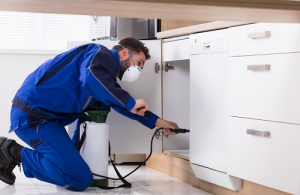
Integrated pest management (IPM) describes an ongoing process of pest control that takes an eco-forward approach to manage pest populations. The first step is an inspection of the pest population or environmental conditions indicating that pest control must be taken, and the second is identifying and monitoring pest activity. Next comes preventative measures and exclusions, and the last step is controlling the problem by using physical trappings and using baits and sprays when appropriate.

Dynamic IPM, however, is about seeing things before they happen and adapting to our customer’s needs. Each program is specifically curated to each multi-residential building since each residential home is unique. As Wayne Gretzky said, “it’s about where the puck is going, not where it has been.”

For example, when we do a roach service treatment and we are using a combination of a spray and aerosol inside an apartment, what if the person cannot leave? What if they are bedridden or have no place to go because of the pandemic? We must get creative and maybe slightly alter how we complete the service by using the vacuum or use more glue boards. We cannot just say, “Well, this is the IPM program, so we can’t change anything.” Our team is trained to be agile and ready to modify their approach according to the circumstances, even if that means taking more time to do the job more thoroughly and responsibly.

One of the questions I ask during technician interviews is, “How many units can you treat in a day?” which is a trick question. Some applicants come from pest control companies where they are expected to handle 30 or 40 units a day, but if they say they’re proud of doing that many, they usually don’t make it past to the next round since it isn’t about the number of treatments they can do, but the quality and outcome from doing the job. I want to ensure our team delivers quality treatments and top-notch customer service, even if it takes more time to get the job done efficiently and effectively.

What pest management tips can you offer property managers to prepare for spring and summer?

There are a few things property stakeholders and property managers can do. For instance, always check the exterior of your property to make sure there is no water leaking from the gutters, and the water pump is pushing the water away from the property if you have one. Standing water is a breeding ground for insects! Also, do not store any debris or firewood at the side of the property because that can act as a new point of the harbour for mice or rats.

Another tip is to check surrounding trees are not touching the property. If you have a limb touching the roof or a balcony, that can be an open invitation to unwelcome guests like squirrels, which are now looking for places to procreate.

Lastly, take a moment to consider how else you can deter pests from making your property their new home. Keep food out of reach and eliminate easy points of entry. Seal up any entry points, especially have a harsh winter, for gaps around pipes, vents, windows, and doors. If you need help or want a partner who will spot and address pest control issues on your behalf, give us a call.

Advantage Pest Control

Paolo Bossio is the President and CEO of Advantage Pest Control Inc., a family-owned and operated business specializing in Dynamic Integrated Pest Management programs. 

Nexii plans new facility on Vancouver Island

Nexii Building Solutions Inc. has announced plans to develop a new green manufacturing plant on the southern end of Vancouver Island.

The green construction technology company said the $50 million plant, Alexzi Building Solutions, will be developed through its certified manufacturing program. The program provides independent local manufacturing businesses with access to its operating systems and protocols to produce Nexii building products in their regions.

“Vancouver Island is home to some of the fastest-growing cities in the province, and it’s essential to ensure that all new construction on the Island is also green construction,” said Stephen Sidwell, CEO of Nexii Building Solutions.

Alexzi Building Solutions Inc. will be led by local business women Amber Simpson and Elizabeth Liu, QC. Alexzi is currently in the process of identifying possible sites for the new 150,000 sq ft facility, and the plant is expected to be operational in late 2021 or early 2022.

“The opportunity to bring a sustainable building product to our Island is incredibly exciting,” said Amber Simpson, CEO of Alexzi Building Solutions Inc.

Nexii employs a holistic approach to green construction, using proprietary materials and precision manufacturing technology to rapidly assemble buildings.

To date, Nexii has announced six production facilities across North America – five in Canada and one in the United States. In December 2020, Nexii constructed a first-of-its-kind sustainably built Starbucks drive thru store in British Columbia. Built using its revolutionary and proprietary green technology, Nexii was able to reduce the Starbucks store’s carbon emissions by approximately 30 per cent.

“Green technology innovation in our manufacturing sector is essential as we continue to move toward a low-carbon economy,” said Ravi Kahlon, Minister of Jobs, Economic Recovery and Innovation. “In addition to being a tremendous job creator, this partnership advances our government’s CleanBC goals by encouraging the construction of buildings with smaller carbon footprints.”

Ontario funds construction training in Hamilton

To help prepare 150 people for jobs in Hamilton’s construction sector, the Ontario budget is allocating $592,000, with funding being provided through the government’s $115-million Skills Development Fund.

The Canadian Society for Civil Engineering is among the first applications approved through the Fund. In partnership with McMaster University, they will develop a Sustainable Infrastructure Training Program. This new certificate program will provide training and resources to prepare up to 150 current and future technologists and engineers in the construction sector to design, construct, operate, and maintain infrastructure that is sustainable and resilient to climate changes.

To help get workers the training they need, the budget is proposing an Ontario Jobs Training Tax Credit. The new temporary, refundable personal income tax credit will be available for 2021 and would provide up to $2,000 in relief for 50 per cent of eligible expenses and an estimated $260 million in support to about 230,000 people, or about $1,100 on average.

This support will further reduce obstacles to hiring, training and retaining workers and apprentices, and reduce the stigma related to a career in the skilled trades to attract a new generation of workers.

Last year, BuildForce Canada predicted the industry will see an influx of 222,600 workers under 30 over the next decade, but that will only fill a portion of the positions required, leaving a gap of more than 80,000 unfilled jobs in the construction sector. In 2016, nearly one in three journeypersons were aged 55 years or older.

“Our government launched the Skills Development Fund to generate innovative solutions to get Ontario back to work and ensure businesses have access to the qualified people they need to recover from the pandemic,” said Monte McNaughton, minister of labour, training and skills development. “Through our new program in Hamilton, participants will learn world-leading best practices while gaining the critical skills and knowledge they need to fill in-demand jobs and support economic growth in the province.”

The government says it is working to process all applications for the Skills Development Fund and discuss proposals with funding candidates. More than 500 applications were received in the first month of the program and a second application round is being planned in spring 2021. More details will follow in the coming weeks.


COVID-19 and HVAC systems

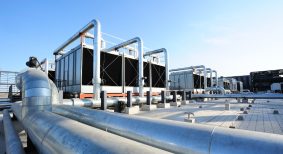
Indoor air quality is extremely important for productivity and occupant health in any industrial, commercial, or residential property. HVAC air conveyance systems, with associated ductwork and ductless mini-split systems, provide acceptable indoor air quality atmospheres. They must also be inspected, maintained, and cleaned on a routine schedule in order to operate most efficiently, therefore saving operating costs. This includes the interior of the ductwork and the replacing of filters.

Air conveyance systems filter out dust, particulates, volatile organic compounds (VOCs), mould spores, bacteria, viruses, and lower humidity levels while removing moisture levels in a building. Unfortunately, dust, particulates, VOCs, mould spores, bacteria, and viruses can accumulate on the interior surfaces of the air conveyance systems and ductwork. This accumulated mass of debris can be aerosolized and transmitted through air currents.

Study results

Regarding the COVID-19 virus, a study has shown that a human sneeze or cough can disperse smaller droplet nuclei into air currents up to 12 feet away and linger in the air for more than one minute.1 Another study confirmed that a burst from a person’s mouth at nearly a hundred miles an hour can travel as far as 27 feet.2

Where can the COVID-19 droplets be aerosolized, carried to, and transmitted? Possibly through the HVAC duct systems.

A ducted HVAC system creates air currents, which can likely carry smaller viral particles even further. According to Chinese health officials, when the COVID-19 pandemic first started, 10 people from three families eating in a Guangzhou, China restaurant became infected earlier this year. Aerosolized droplet transmission was prompted by air-conditioned ventilation. Researchers reviewed a video from the restaurant and saw many of these patrons were more than six feet apart from one another, suggesting that the virus followed the airflow, travelling through the air.3

An ongoing study of environmental contamination obtained surface and air samples in two Nebraska Biocontainment Units (NBUs) and nine residential isolation rooms housing individuals who tested positive for SARS-CoV-2. The room surfaces that were tested included ventilation grates, tabletops, and window ledges. Virus samples with the highest concentration were recovered from an air handling grate in the NBU.

Airflow in the NBU suites originated from a register at the top centre of the room and exited from grates near the head of the patient’s bed on either side of the room. Airflow modelling has suggested that some fraction of the airflow was directed under the patient’s bed, which may have caused the observed contamination under the bed, while the dominant airflow likely carried particles away from the patient’s bed towards the edges of the room, passing by the windows, resulting in some deposition there.4

A recent study of SARS-CoV-2 stability indicates that infectious aerosol may persist for several hours and on surfaces for as long as two days. The most prolonged viability of viruses was on stainless steel and plastic. The estimated median half-life of SARS-CoV-2 was approximately 5.6 hours on stainless steel and 6.8 hours on plastic.5 In conjunction, influenza viruses can spread through the air on dust, fibres, and other microscopic particles, according to new research from the University of California, Davis and the Icahn School of Medicine at Mt. Sinai.6

Airflow

Although ductwork interiors can be made of smooth metal, fine dust can collect on air duct surfaces, vents, motors, and coils. Flakes of dead skin, hair, and pet dander catch onto the dust, and before long, this process creates a dense, mat-like environment where viruses, bacteria, mould, dust mites, and allergens can flourish. This is similar to a vehicle’s exterior during a spring pollen season, as the pollen would coat the vehicle and windows.

For instance, when dust is carried on air currents generated by air conditioning and similar devices, the dust takes on a positive or negative static electric charge due to contact with various objects. Dust with a positive electric charge will be attracted to objects with a negative electric charge and vice versa. The greater the amount of dust in the air, the more considerable the amount of dust that clings to objects within the room.

Also, if sources of dust (mainly people and clothing) are electrically charged, the dust that is generated from these sources is electrically charged as well. This attractive force generated by static electricity is known as “Coulomb force.”7 Also, ductwork return airstreams contain levels of humidity and moisture. As a result, this moisture can adhere to the ductwork interior and capture dust particulate.

HVAC air filters might help in capturing the viral particles and dust particulates. A high-efficiency particulate air (HEPA) filter effectively removes small particles, 99.7 per cent of particles 0.3 microns. A minimum efficiency reporting value (MERV) filter removes larger particles, 0.3 microns to 10 microns. A MERV filter rated 17 or higher is considered HEPA-like in efficiency.

However, most commercial buildings have MERV filters rated 12 or lower. Unfortunately, a coronavirus particle is about 0.1 microns and cannot be viewed with human eyesight. So, there’s no guarantee that a HEPA filter would stop viral particles and dust particulates.

Current standard air handling units (AHUs) in HVAC systems circulate up to 80-90 per cent of the air in regular systems during peak-load conditions, such as winter and summer, when outdoor ventilation airflow is set at the minimum percentage to save energy. Standard filtration units in HVAC systems cannot remove the virus within an airstream effectively.

The HVAC system has become a central point of contact to spread the virus by recirculating contaminated air into space. Based on the studies and information, inspection, testing, and surface and air sampling, cleaning and disinfecting HVAC air conveyance systems and associated ductwork can help prevent the transmission of COVID-19.

HVAC system and ductwork cleaning and disinfecting best practices:

  1. Review HVAC air conveyance systems and associated ductwork drawings and diagrams.
  2. While donning proper PPE, perform a visual inspection of the exterior and interior of the HVAC air conveyance systems and associated ductwork, registers/vents, motors, coils, and filters. Use a video borescope camera if necessary, and take digital pictures. Document and log any observations, even if the ductwork “looks clean.”
  3. Test and inspect for any air leakage, VOCs, particulates, and duct metal seam issues.
  4. Perform pre- and post-surface swab sampling of the HVAC air conveyance systems and associated ductwork, registers/vents, motors, coils, and filters. The pre-surface swab sampling may identify any hazardous substances and hazardous particulates.
  5. Perform pre- and post-air sampling of the project area. Performing these samplings will help identify and isolate specific systems and affected areas, along with identifying any hazardous substances and/or particulates.
  6. Use environmental controls and infection control risk assessment protocols to contain and isolate the cleaning and disinfecting project. This includes setting up HEPA air scrubbers, negative air machines, and containment barriers while using a particulate counter and air pressure monitor.
  7. Ultra-low volume (ULV) fogging using a non-acidic, non-chlorine-based Environmental Protection Agency (EPA) registered virucide, biocide, and fungicide disinfectant can be implemented, outside and inside ductwork, on registers/vents, motors, coils, and the entire project area, to inactivate any viral aerosols. For efficacy, allow a minimum of a 10-minute dwell time, or the dwell time per the virucide label, on surfaces.
  8. Clean the interior ductwork surfaces from larger dust and particulates, using HEPA vacuuming, roto brushing, air whipping, and mechanical cleaning. Interior fibreglass-lined ductwork requires specialized attention and cleaning to prevent fibre damage and release. Visually inspect to prevent re-contamination.
  9. On metal interior ductwork, registers/vents, motors, and coils, clean and disinfect, using a non-acidic, non-chlorine based, EPA registered virucide, biocide, and fungicide disinfectant. For efficacy, allow a minimum of a 10-minute dwell time, or the dwell time per the virucide label, on surfaces.
  10. Replace and install new HEPA filters. Ductless mini-split systems may have a washable filter. It is best to HEPA vacuum the air conveyance unit and disinfect the washable filter often with an EPA-registered virucide, biocide, and fungicide disinfectant. For efficacy, allow a minimum of a 10-minute dwell time, or the dwell time per the virucide label, on surfaces.

As mentioned at the beginning of this article, it’s important for the HVAC systems to be inspected, maintained, and cleaned on a routine schedule. If you do this, your air conveyance system will operate most efficiently, provide a healthier indoor air environment, and save costs over time.

Sources:

  1. https://www.fau.edu/newsdesk/articles/mechanical-coughcoronavirus.php
  2. https://www.nationalgeographic.com/science/2020/04/ coronavirus-covid-sneeze-fluid-dynamics-in-photos/#close
  3. https://wwwnc.cdc.gov/eid/article/26/7/20-0764_article
  4. https://www.nature.com/articles/s41598-020-69286-3?utm_
    medium=affi liate&utm_source=commission_junction&utm_
    campaign=3_nsn6445_deeplink_PID100045715&utm_
    content=deeplink
  5. https://www.nejm.org/doi/10.1056/NEJMc2004973
  6. https://www.sciencedaily.com/ releases/2020/08/200818094026.htm
  7. https://www.keyence.com/ss/products/static/resource/solution/

This article was originally published in ISSA Today, March-April 2021.

Jon A. Barrett is the marketing manager of SERVPRO of Blackwood and Gloucester Township, NJ, which is a veteran-owned small business, an independent franchise, and a registered government contractor. Barrett has over 30 years of remediation and restoration cleaning experience in the government, industrial, manufacturing, commercial, residential, and insurance industry sectors. He is a Certified Mould Remediator (CMR) and has certified training from (OSHA), the EPA, The Institute of Inspection, Cleaning and Restoration Certification, American Bio-Recovery Association, EMSL Analytical Inc., Chilworth Technology Inc., Criterion Laboratories Inc., and the International Kitchen Exhaust Association.


Green experts issue antimicrobial use warning

The COVID-19 pandemic has increased demand for antimicrobial chemicals in building products like doorknobs, countertops, and paint. However, a joint statement released today by leading green building organizations, architects, and scientists warns that building materials with added antimicrobials have no proven health benefit—and may be harmful.

In response to the surge in advertising for antimicrobial products, the statement’s authors sought evidence-based guidance for the building industry. They found that outside of limited studies on copper, no building products with added antimicrobials have been shown to reduce viral infections in people. Worse, many of the chemicals are linked to health and environmental harm, and could produce resistance to the antibiotics we depend on to fight disease.

“Unfortunately, the science behind antimicrobials in building products doesn’t live up to the marketing claims,” said Tom Bruton, senior scientist at the Green Science Policy Institute. “In fact, these products may be providing a false sense of protection from the novel coronavirus while posing other health threats.”

Antimicrobials used in building products include quaternary ammonium compounds, which are associated with asthma—a potential risk factor for severe COVID-19. Triclosan, which can disrupt hormone functioning, is banned in hand soaps but is still used in some building products. However, the identities of the chemicals used in products are often not disclosed.

The statement concludes that antimicrobials should not be used in building products when not required for product preservation. The authors urge building product manufacturers to practice truthful advertising and to disclose the compounds they use. They also call for more hazard assessments and research.

“Now more than ever, we should strive to create healthier spaces for people to live and work,” said Gina Ciganik, chief executive officer of Healthy Building Network. “Architects, designers, and building owners should take a precautionary approach and avoid unproven solutions with known harms.”

Top employment law issues during COVID-19

Since the inception of the COVID-19 pandemic, many employers have been under pressure to act quickly and respond to sudden twists and turns in the law. As societal norms have shifted and an increasing number of employers and employees are adapting to the realities of the virus, employers are facing new (but also familiar) challenges. Below are the top five issues that employers/managers are facing during these times and some tips on how to limit liability and exposure.

Employee Safety

Employers in all industries have concerns about safety precautions for employees. It is imperative for employers to:

  • Closely monitor information from official sources about changes in the law with respect to COVID-19;
  • Make efforts to carefully document, in detail, precautions and steps taken to ensure a safe workplace;
  • Take additional precautions to ensure the health and safety of all employees including extra cleaning and physical distancing.

If an employee becomes infected with COVID-19, their employer should contact public health for guidance on next steps without delay.

Under an order issued by the provincial government, employers that are reopening are required to operate in accordance with applicable laws and regulations and comply with public health officials’ advice and instructions regarding sanitation or social distancing. For workplaces that are open to the public, employers must ensure that members of the public maintain a minimum two-metre distance from individuals with whom they did not arrive and maintain frequent cleaning of any washrooms that are available for public use. Certain sectors are also subject to specific requirements for reopening, and employers should keep themselves informed of these requirements.

For in-person workplaces, employers must also screen workers for COVID-19 prior to or at the time the employee arrives at work, using the screening tool, to determine whether the employee may enter the workplace. Essential visitors, such as delivery people, need also be screened; this should occur upon their arrival to the workplace. Screening results should be documented and stored in the event that inspectors or public health officials require these results for the purposes of contact tracing.

Employee requests for leave

Employers may encounter employees who are unable to work due to circumstances related to the pandemic. Circumstances include employees who are sick, in quarantine, must care for their children whose schools and daycares have closed, must care for a family member due to a COVID-19-related matter, or who are stranded in another country because of travel restrictions. In such cases, employees can request to take an unpaid Infectious Disease Emergency Leave (the IDEL), which is available for the length of time that COVID-19 remains categorized as an infectious disease. No doctor’s note is required for an employee to request this leave. Despite the fact that this is an unpaid leave, it would be preferable for employers to continue benefits for employees during this time. Employees on the IDEL may also be eligible to apply for government benefits.

Terminations and layoffs

When it comes to terminating employees during COVID-19, the regular termination entitlements, which are dependent upon such factors as the terms of an employee’s contract, the employer’s payroll, and an employee’s length of employment will apply.

During COVID-19, many employers are “laying off” their employees. However, employees who have reduced or completely cut hours as a result of the pandemic from March 1, 2020 onwards are deemed to be on the IDEL which, at the current time, lasts until July 3, 2021. Not all employees in this situation are considered to be on this leave. Exceptions to this designation include: already-terminated employees; employees whose layoffs are deemed to be terminations under the Employment Standards Act, 2000 (the ESA), prior to May 29, 2020, when the layoff period expired; employees who were constructively dismissed and then resigned within a reasonable period prior to May 29, 2020; employees whose layoffs were the result of their employers’ businesses being permanently discontinued from March 1, 2020 onwards; and employees who were provided with notice of termination pursuant to the ESA since March 1, 2020, except in cases where the notice is withdrawn.

Communications, engagement, and employee morale

Many employers have been struggling to maintain employee engagement and morale in the wake of COVID-19 and work-from-home realities. Often there is a positive correlation between employee engagement levels and productivity. Remote work, or work from home, is an arrangement that many employers have now transitioned to, but comes with numerous obstacles, especially with respect to time management, routine, and efficient workflow. Many employers may find it challenging to manage employees who are scattered in different locations. To combat these difficulties, employers should maintain regular communications, arrange check-ins with employees, and create and implement systems that allow employees to work virtually. Employers may consider whether they need to update their policies to include a remote worker policy or to reinforce confidentiality while working remotely.

Vaccines

Though the subject of vaccines may still be a relatively new one for many employers, it is one that will become more and more relevant as an increasing number of vaccines are rolled out and a greater number of individuals are inoculated. With several cases demonstrating the potentially negative impacts of vaccines, amongst other factors, there is no doubt that some employers will encounter employees who are reluctant to get vaccinated.

In cases where an employer wants an employee to get vaccinated, the employer may first consider providing the employee with information about vaccine science, public health, and economic benefits, to encourage the employee to get vaccinated. However, employees may refuse vaccines for reasons such as religious beliefs or medical reasons, and requiring these employees to undergo inoculation would be a human rights violation. Employers can consider the following options: request that the employee conduct their work remotely or separately; require the employee take unpaid leave and provide them with the option to return to work after vaccination or the end of the pandemic; or terminate the employee. If the latter, which is an option that should be exercised only as a last resort, a solid termination package should be provided to the employee.

Refusal to be vaccinated is unlikely to be a just ground for a termination with cause, given the high bar for establishing cause in terminations. So long as the employer’s requirement for the employee to be vaccinated does not violate any human rights protections, the employer can consider pursuing a termination without cause. However, it may be preferable for employers to tread carefully in the meantime and keep aware of further guidance from public health and government authorities before making any potentially risky decisions on termination.

What’s next?

The COVID-19 pandemic has generated issues that the majority of employers/managers had never before faced. As this public health situation continues, conversations around employment issues will shift. New concerns will arise. Other situations will become familiar. Many of these issues have the potential to remain at the forefront for employers in the years to come, even if they eventually fade into the background. Consider how to keep your workforce safe, healthy and how mental wellness also plays a part in productivity and success.

Here’s a helpful resource for employers navigating COVID-19 related issues.

Jessyca Greenwood is a lawyer at SpringLaw. She has more than a decade of experience as a trial lawyer with a focus on criminal law, professional misconduct, mental health advocacy, and with the way these areas intersect with the workplace. She also brings to her practice a deep knowledge of the impact mental health has on businesses, workers and employers. [email protected] @jessycadefence