Articles Archive - Page 351 of 928 - REMINET
REMI

Green goals for adaptive reuse of vacant Hamilton warehouse

A vacant industrial warehouse in Hamilton’s East Bayfront neighbourhood is transforming into a sustainable waste management facility that will produce about $2 million worth of organic fertilizer daily.

ZAS Architects designed the new space for SusGlobal Energy (SusGlobal), a renewables company that converts green bin waste into pathogen-free liquid organic fertilizer. SusGlobal is expanding its Ontario operations and recently bought the site with environmental compliance approvals.

The adaptive reuse of the 40,000-square-foot, former animal pellet plant will retain the structural skeleton of the existing warehouse tower and re-clad the exterior facade with transparent materials. An 11,000 square-foot addition will add light-filled office space and labs for SusGlobal’s ongoing research and development.

“The design of SusGlobal’s new facility in Hamilton East Bayfront embraces the past and celebrates the future, creating a healthy and wellness-focused workplace that signals the changing face of Hamilton’s industries and its emerging green economy,” says Paul Stevens, senior principal, ZAS Architects. “This project also provides an opportunity to rethink how we approach the design of sustainable waste management facilities as integral sites in our city landscape.”

Once completed in 2022, the new facility will run 24-hours per day, seven days per week with the annual capacity to process 65,000 metric tonnes of organic waste indoors with no odours, converting municipal green bin waste into a regenerative, pathogen-free organic liquid fertilizer and other organic agricultural products.

Over the past several years, the steel-dominated industrial hub as it was once known, has seen much transformation as other long-vacant buildings are revived into modern spaces and the city attracts new industries, from artists to the tech community.

This specific expansion is a strategic move based on proximity to agricultural clients, such as wineries and cannabis growers in the Hamilton-Niagara region and convenient access to municipal clients in Southern Ontario.

“We are thrilled to be working with award-winning ZAS Architects who are on the leading edge of creating healthy workplaces that support innovation and environmental stewardship,” says Marc Hazout, president and CEO of SusGlobal. “ZAS’s approach to healthy building design has been a guiding principle throughout the process, and we are excited to give SusGlobal more prominent visibility in Ontario.”

Facility managers & a cleaner experience

With over 3.5 billion vaccinations administered worldwide, the world is emerging from pandemic restrictions and transitioning back to “normal.” Yet, even with growing vaccine rates and new technologies, facility managers cite employee health, employee training, retention and proper cleaning products as their main concerns regarding cleaning staff.

Offering guests and employees peace of mind is always a top-of-mind concern for any property manager. But, now that segments like the short-term rental (STR) industry are seeing occupancy rates fully recovered — achieving a whopping 60.9 per cent occupancy in March 2021, a 29.1 per cent gain from 2019 — renters and guests are ready to travel again.

Entering a post-pandemic world, property and facility managers know that cleanliness is more important than ever. As a result, many companies and property management companies have developed initiatives and frameworks to lessen the anxieties of guests and managers at the onset of COVID-19.

Hotels and short-term rental properties provide different experiences depending on what the guest is looking for — hotels give travellers the benefit of amenities and locations, while on the flip side, short-term rentals impart a sense of privacy and a “home away from home” feeling for guests, not to mention a guest’s ability to enjoy and utilize the facility’s entire space.

With “revenge travel” and entertainment gaining momentum again, here are three tips that property and facility managers can implement in accordance with new industry cleaning standards and protocols to successfully enter this new wave of property management.

Record and report cleaning procedures

Leaving a paper trail to document a facility’s cleaning history provides both managers and guests with peace of mind while also tracking when guests were last present onsite and when the property was last cleaned.

Regulating cleaning history via proprietary software for owners and cleaning staff can be one solution, enabling other facility managers to use new software, like apps, to track the cleaning process in real-time. Additionally, managers should ensure that they can “see the clean.” We call this process “Follow the Wall” to ensure the facility’s cleanliness is visible to the eye, rather than simply checking off a cleaning list.

Finally, always emphasize the importance of finishing cleaning and sanitizing a room before replacing items for the next guest or group.

Leave air conditioning on in summer when possible

When it comes to cleaning, one of the first things property managers should do is “air out” facility spaces by simply opening windows and doors. This is the first step to deter the spread of airborne bacteria. Adding airflow to a facility during cleaning additionally adds freshness to help alleviate stagnant air and muggy stuffiness leftover from a previous guest or event.

Display visual reminders of cleanliness to guests

Managers should use visual cues to show guests the extra measures that facility cleaning staff have taken by leaving small details around the space. These small details make a big difference in the peace of mind for guests and management alike.

Tools like QR codes that show a property’s cleaning history, high-touch surfaces sealed in plastic, and even notices of your facility’s commitment to the health and safety of guests and employees will help restore security as a property is enjoyed once again.

As new industry standards are being created and certified at a rapid pace, the key to normalizing these new health procedures will be open communication on the part of facility management, cleaning staff, property employees, and guests. On top of diligently staying on top of public health announcements from official agencies, intercommunication between all staff levels will prove prudent to the industry’s continued growth as we approach the future of property and facility management.

Marianne Heder is Director of Short-Term Rentals for Property Management Inc. (PMI). In addition to having hospitality in her blood, she has been working in the real estate and asset management industry since 2005. She is passionate about helping PMI franchise owners build successful short-term rental businesses by utilizing step-by-step processes.

Property Management Inc. (PMI) is a rapidly growing franchise with 300-plus locations that provides expert property management services and solutions across 4 pillars: residential, commercial, association and short-term rental management. For more information, visit https://propertymanagementincfranchise.com/.

Meltdown conditions no sweat for passive cooling

Passive House design withstood meltdown conditions in a recent standard-to-standard duel with the Scottish building code. Glasgow, the host city for the upcoming 2021 UN Climate Change Conference (COP26), also offered up the venue to test and compare the thermal performance of two identically sized structures, filled with 917 kilograms of ice and left outdoors for two weeks.

The two competitors in the Ice Box Challenge were built in accordance with the Scottish building standard and the Passive House design standard respectively. Neither incorporated active cooling. However, results demonstrated the effectiveness of Passive House guidelines for window glazing, insulation levels, airtightness and reduction of thermal bridging.

All the ice in the Scottish standard prototype melted by the 11th day of the challenge, whereas the Passive House structure still retained 121 kilograms at day 14. That’s despite a coincidental heatwave during the challenge period.

Energy management specialists stress that the structure’s cooling features, embodying four of the five key Passive House principles, are equally effective in helping to retain warmth when it’s cold outside. Wintertime also sees the fifth Passive House principle — heat recovery ventilation — pressed into service.

“Housing associations in Glasgow are looking at this very closely and what it means to new build programs,” reports Michelle Mundie, who is part of the Glasgow’s municipal housing investment group.

“The Ice Box Challenge is a fantastic and fun way to illustrate the system in action,” concurs Ruairi Kelly, a Glasgow city councillor.

Construction begins for Untitled condo at Yonge and Eglinton

Reserve Properties and Westdale Properties have started construction for Untitled Toronto, a two-tower residential development at Yonge and Eglinton, designed in collaboration with Grammy Award-winning artist Pharrell Williams.

The 751-unit condo project marks Williams’ first experience with a multi-residential development, something the team purposefully sought out when they first approached the artist.

As Shane Fenton, CEO, Reserve Properties, explains, they were looking for a “fresh perspective,” for the design, something “outside the realm of residential real estate.”

“Pharrell pushed us towards designing spaces that felt universal, instead of dictating a pre-prescribed lifestyle onto our purchasers and residents, he said. “Early on in the design process we settled on the mantra, space was only a backdrop and that ended up really driving the process.”

Untitled’s sculpted, fluid form is rooted in a cultural reference introduced by lead architect Mansoor Kazerouni of IBI Group. Citing the concept of a jugalbandi, which refers to an intricate duet between two solo musicians, Kazerouni sought ways to entwine a visual abstraction of music with the architecture of the building.

Using parametric design, the sculpted, fluid form of the balconies follows the wave pattern of Pharrell’s hit song Gust of Wind, articulating the building as a visual abstraction of music. A dark, natural stone podium across the lower portion of the entire structure follows the same fluid pattern while anchoring the building on the site, with a heavier presence.

Interior spaces, designed by Kelly Cray of U31, aim to extend the notions of universality throughout the common areas, amenities, and suites—blending elements of nature and Japanese-inspired minimalism.

On tap for the condos is 32,000 square feet of indoor and outdoor amenity space, including a co-working garden lounge, screening room, active fitness centre, kids club, a rec room, social lounge and private dining with a sake tasting area. A wellness centre features an indoor-outdoor swimming pool is punctuated by a thirty-foot water feature.

As part of the block masterplan, a third, 36-storey purpose-built rental will be situated adjacent to the two condominium towers, with 200 affordable housing units, 165 mid-range units, 48 market units and 16,000 square feet of additional amenity space for renters. The block also includes a public parkland with a mix of granite paving and seating, sculptural seating made of timber slats, a water play area, greenery, bike racks and sculptural features.

“As developers with a long track record in this neighbourhood, we were motivated to elevate our offering and do something special for Yonge and Eglinton,” said Westdale CEO Mitchell Cohen. “This part of the city is in the middle of a tremendous transformation, from the introduction of the LRT to the volume of new construction taking place.”

Photo by Geoff Fitzgerald

Scanning the road ahead for EV-ready condos

As the country moves to accelerate electric vehicle adoption and ban new gas-powered car sales by 2035, questions are brewing among people living in multi-unit dwellings when it comes to installing EV infrastructure in parkades, costs allocated to owners, and anticipating power needs.

A well-known hurdle, particularly in aging condos, is limited electrical capacity. Rob Detta Colli, manager of energy and sustainability with Crossbridge Condominium Services, sees the main challenge in older buildings being a board coming to realize that no building has the electrical capacity from a utility to allow a charger in every parking spot. “This forces the board down the path of having to consider a compromise solution, which will naturally not satisfy everyone who lives in that building,” he says.

At the same time, he doesn’t see a technological barrier to charging. “There are a few good solutions available to outfit most condos with roughly 20 vehicles,” he says. “In the average 200-unit building, that’s 10 per cent of the parking stalls, which is much larger than the current sales rate of less than two per cent BEV and plug-in hybrid in Ontario.”

A few years ago, EV chargers were installed at The Palace Pier, a 42-year-old condo in Toronto. Back then, the board conducted a technical review, installed a costing system, sent out a survey to anticipate demand, and converted two visitor parking stalls to accommodate communal chargers. “At the time, we estimated that we might have 10 or 12 electric vehicles in the building within the next few years,” says Board Secretary Thelma Beam. “But that was pre-pandemic.”

The condo still has just a few EVs, but with changes to the Condo Act, the board expects more requests for chargers in parking spaces once more people start buying cars again post-pandemic.

Neil Denney, executive vice-president of InLight, a lighting retrofit and EV-charger installation company, says corporations will need more future-forward thinking because the amount of power required in the next decade will be vastly different than what is required in a year or two.

For now, most garages can likely manage 40 EVs with some aggressive sharing, adds Detta Colli. “You’d have to show the owners of the condo that aggressive sharing will work; you’d have to show them when the chargers are being used and how much they are being used,” he says. “With that, the board should be OK with going from 20 to 40 quite easily.”

Potential potholes

Amendments to the Condo Act in May 2018 removed legal barriers for corporations wanting to install EV-charging systems and for owners wishing to gain board approval themselves. These regulations removed some red tape. Still, retrofitting charging infrastructure into existing condos remains a challenge, says Beam, who has reservations about future retrofits her condo will require to meet demand.

While energy retrofits created extra electrical capacity in her condo as a result of lower consumption— capacity that can now be used for other things like EV chargers—she says in order to distribute this power from the electrical panel to faraway parking spots there will need to be adequate infrastructure, which could be costly.

“If somebody comes in and says, I want to put an EV charger in my parking spot, we can give it to them and a few more people and then we’re done,” she says. “Then, it’s going to cost us about a quarter of a million dollars to put in this other infrastructure to distribute the electricity to everyone else who might need it.”

Developers of new condos are roughing-in conduits, leaving a pathway for future wiring that will ultimately save time and money when EV demand rises. Older buildings will need to start from scratch.

Laura Bryson, COO and co-founder of EV-charging company SWTCH Energy, says in aging buildings, electrical capacity may be limited and installation may also require bringing power up or down a level, which can be expensive. As she explains, “where possible, it is ideal to locate the EV-charging stations in parking spaces close to the electrical room to reduce material and construction requirements, or install a panel in a central location that limits costs for individual owners to have a charger installed in their private parking spots.”

New technology paving the road forward

New technology is helping to address some concerns older condos are facing, with long-term solutions like open standards and dynamic load management. As Bryson explains, Open Charge Point Protocol (OCPP) is the global open communication standard for EV charging and is similar to buying an unlocked cell phone where users can select a service provider. “The same goes for EV-charging stations,” she says. If you’re unhappy with the service, or network management fees increase, OCPP ensures you’re free to switch to another service provider without risking your hardware investment.”

Dynamic load management involves charging stations talking to each other in real-time to share available electrical capacity. “This helps minimize infrastructure costs upfront and over the long-term as more charging stations are added to the system,” she notes.

It’s an approach being used in New Times Square, a 20-year-old, 375-unit condo in Toronto, which faced notable capacity constraints. An in-depth case study reveals how the condo used network management to install 14 private chargers and prepare for scaling EVs. Ultimately, capacity was increased to support 32 to 40 chargers in a load-managed layout. Automatic energy and billing will also allow the condo to recoup energy costs from EV owners.

Bryson also notes that it’s more common to find Level 2 chargers in condos. Each station, at full output, requires the same volt circuit as a washer and dryer. “Level 2 is considered the sweet spot for multi-family buildings because it satisfies charging requirements for plug-in hybrid and battery electric vehicles cost-effectively,” she says. “DC fast-charging (or Level 3) is much more expensive and makes sense for public settings along highways or in retail locations where EV owners need a quick charge to finish their journey.”

Scanning ahead

When planning long-term for EVs, legal documents should be detailed and thorough. If not, Beam says there is nothing stopping owners from putting in any system they desire, which doesn’t help link all the cars together if demand ramps up. She recommends implementing a system that will share the electricity.

As she explains, corporations should have an Electric Vehicle Supply Equipment (EVSE) Agreement, which should include some of the following: indicate the intended use of the installed units; recognize that the corporation has full control over the final configuration of the system; indicate that the corporation has the right to modify any portion of the system in order to facilitate the installation of additional units; and affirm that the corporation owns the electrical junction box, as well as all associated conduit, pull boxes and cabling. It should also make clear who is responsible for costs and that the job be conducted by a licensed electrician.

For condos anticipating EV-charging infrastructure, Detta Colli says each board of directors should consider their options before a request comes in, as they will need to reply within a legislated 60-day period. “Once they get a request, the regulations start the clock and they have only so many days to formally respond,” he says.

An electrician will need to verify the loads in the building by scanning bills and inspecting the main electrical panel. It is then recommended to gather quotes from a few EV contractors who should be able to clarify all the costs associated with short, medium, and long-term needs.

Rebate debate

Despite Canada’s mandatory target of 100-percent zero-emission light-duty vehicle sales in a little over a decade, a lack of available government funding remains an ongoing obstacle. As Detta Colli says, “there is a perception that there are many incentives out there for EV infrastructure.” The only one that exists, at least in Ontario, is the multi-phase Zero-Emission Vehicle Infrastructure Program (ZEVIP), which he finds many contractors have over-hyped, despite it not being a great fit for condos.

The program requires a minimum of 20 chargers to be working by a certain deadline, and the government is encouraging collaboration between groups to meet that minimum per application.

“Boards can commit to installing the infrastructure for the chargers, but they can’t commit to the individual charging stations being up and running by that date,” he says. “Some condos looked at making a joint application, but it got confusing quickly, so they dropped it.”

The Liberal government promised $280 million for this program over five-years ending in 2024. Denney says it may sound like a lot of money, and although it’s a start, the funds are unpredictable and likely won’t be enough to support the government’s ambitious greenhouse gas reduction targets. “They made it very difficult on stakeholders and it’s obvious they are under-resourced to deal with all the applications they are getting,” he says. “It’s not as user friendly as other energy rebates.” After a previous round, his company was among the 75 per cent that didn’t receive funding. That was after several months of waiting to hear back.

A RFP that was focused on EV charging in the multi-residential sector closed June 22. Another round is expected to be renewed next year, with a proposed deadline of May, 2022. In other rounds, third-party delivery agents—local governments and not-for-profits— could also receive up to $2 million for end users, and many people are looking to get funding through these streams.

Chicken or the egg

Apart from few available incentives is the reality that more zero-emissions vehicles are coming and condos will have to plan for a future where internal combustion engines are passé.

Earlier this year, a KPMG survey found 68 per cent of Canadians who plan to buy a new vehicle within the next five years stated they will “very likely or likely” buy an electric vehicle, pure or hybrid. An estimated 61 per cent said the pandemic made them realize that they need a vehicle, as they’d rather drive than take public transportation.

Laura Bryson says her company is seeing more uptake in both new construction and existing buildings. “There is particularly high demand in geographies where local requirements require certain parking spaces to have conduit rough-in to support future installation,” she says, pointing to the Toronto Green Standard and several municipalities in B.C.

Whatever charging decisions boards and management make should be in the best interest of all the owners, says Detta Colli. At the moment, he doesn’t see a surging demand for EV charging in condos—yet. “This makes sense, given battery and plug-in hybrids made up only 1.8 per cent of new vehicle sales in 2020,” he notes. “The rate of EV sales is likely to go up, but it will take time to replace the fleet that is out there now.”

Looking to the future, Beam anticipates a multi-year project ahead. “We need to start budgeting for it and designing it so when demand hits us, probably not for at least another year, we’ll be ready with an interim step.”


How carpet cleanliness creates confidence

Impressions about cleanliness in commercial facilities start from the ground up, and carpet cleanliness is a key factor in creating confidence in visitors, tenants, and residents.

New research from Whittaker conducted online by The Harris Poll from Aug. 5-9, 2021, among 2,056 U.S. adults found that 83 per cent of respondents say well-maintained carpet improves their confidence in a facility’s cleanliness.

“Often the first thing that people notice upon entering a facility is the flooring and what condition it is in,” said Joe Bshero, Director of Technical Services at Whittaker. “Carpet needs to be free of stains, discoloration and wear and tear or it may negatively impact the public’s perception of an organization.”

In the wake of the pandemic, assuring visitors of a facility’s commitment to cleanliness is paramount.

The impact of well-maintained carpet that is free of damage, discoloration, stains from food and beverages, and outdoor contaminants like soil, sand, water, and salt, varies depending on the facility type.

In particular, the survey revealed findings for the following places:

  • Hotels – 55 per cent of respondents confirm that clean carpet in hospitality environments makes them more confident in the cleanliness throughout the facility.
  • Restaurants – More than half (53 per cent) say well-maintained carpet in restaurants improves their confidence level regarding facility cleanliness.
  • Long-term care facilities – Clean carpet in these healthcare settings would assure 44 per cent of respondents that the facility is committed to cleanliness.
  • Retail stores – Shoppers take notice of how stores are maintained, given that 42 per cent of respondents say well-maintained carpet in retail locations would improve their confidence in the facility’s cleanliness.
  • Office buildings – Two in five people (40 per cent) say clean carpet has a positive impact on their confidence in an office building’s commitment to clean.
  • Casinos – One in three (33 per cent) would feel more confident in a casino’s level of cleanliness upon seeing the carpet is maintained properly.
  • Schools (K-12 school, university, college) – 32 per cent of respondents say their confidence in a school’s cleanliness is improved by well-maintained carpet.

“A strategic carpet care program incorporates high-quality chemistry formulated for various types of stains and soils, as well as reliable equipment that keeps carpet looking its best,” added Bshero. “Low-moisture encapsulation is a more sustainable, efficient and affordable approach to carpet care, and is trusted by many building service contractors and facility managers.”

B.C.’s Highway 91/17 project reaches halfway mark

The Highway 91/17 Upgrade Project has reached the half way mark and is on track for completion in spring 2023.

Another upcoming major milestone is the opening of the Highway 17 River Road Overpass. The first new structure of the project will fully open in late September 2021 and will eliminate travel delays for Highway 17 travellers at this location.

The full Highway 17/River Road interchange is scheduled to open this fall, creating a more direct connection between Highway 17 and River Road.

Additional project components that opened this summer include:

  • a new exit from Highway 17 westbound to River Road; and
  • a new ramp from Highway 91 Connector westbound to access Highway 17 eastbound.

The project includes a combination of safety and capacity improvements to Highway 91, Highway 17 and the Highway 91 Connector, including:

  • Highway 91 at Nordel Interchange – upgraded ramps to and from Delta, improved acceleration and deceleration lanes and additional through-lanes for Nordel Way traffic crossing over Highway 91.
  • Highway 91 Connector at Nordel Way intersection upgrades – combination of direct-access roads and additional turning lanes to remove one signal light and improve all movements, including significantly improved access to and from the Nordel Way commercial vehicle inspection station and truck parking area.
  • A new interchange at Highway 17 and Highway 91 Connector (Sunbury) and improvements to the River Road connection – replacing the existing signalized intersection and eliminating the need for an at-grade rail crossing to access the highway.

Once completed, the series of roadworks will increase highway efficiency and provide an easier commute for residents and better travel reliability for commercial vehicles. Better acceleration and merge lanes along with additional interchanges will boost safety for all drivers.

The contract for the Highway 91/17 upgrades was awarded to Pacific Gateway Constructors General Partnership. Construction began in spring 2020.

Buoyant property upgrade option makes a splash

Swimming pools were a buoyant property upgrade option in 2020. Ontario’s Municipal Property Assessment Corporation (MPAC) reports a 53 per cent jump in the number of permits issued for residential installations last year — nearly 6,800 versus about 4,580 in 2019. The upsurge reversed two previous years of year-over-year declines in swimming pool permits.

“Many property owners evidently decided to take the plunge during the pandemic,” concludes Carmelo Lipsi, vice president and chief operating officer with the provincial evaluation agency, which closely monitors property data. “This is another indication that people were very focused on their homes in 2020.”

Ottawa accounted for more than 9 per cent of the new installations province-wide, with 936 new pools added to the city’s residential property base. That was a 57 per cent increase from 2019 and more than double the number of pool permits issued in any other Ontario municipality.

Hamilton was the next most active market, with 428 new pool permits. However, Milton registered the most striking increase, as 165 property owners applied for pool permits in 2020 compared to just 10 in 2019.

“Time will tell if this was a one-time blip or swimming pools will continue to be a popular upgrade to residential properties” Lipsi says. “These trends tell us about property owners’ priorities and how the marketplace is evolving.”

Planning for the next pandemic

As of May 2021, we seem to be inching our way out of the COVID-19 pandemic. The U.S. Centers for Disease Control and Prevention has announced that those fully vaccinated no longer need to wear masks outside or inside, in most situations.

Many of us are feeling some relief. We know that with the pandemic behind us, our lives and businesses can return to some sort of normalcy. Further, many of us believe that a pandemic like COVID-19—which has infected more than 174 million people, causing 3.7 million deaths—will likely never happen again.

Unfortunately, that may not be the case. Although COVID-19 is one of the most severe pandemics since the Spanish Flu of 1918, which killed more than 50 million people, we have had other pandemics since then, and we are likely to see more in the future. We need to look to the past to find out what we can learn from those earlier pandemics.

Past pandemics

1957: Asian Flu: One of the most underreported pandemics was the 1957 Asian flu. It travelled from Hong Kong to the United States and became widespread in England. A second wave followed in 1958. Eventually, more than a million deaths globally were reported—116,000 of them in the United States.

1981: HIV/AIDS: Although this pandemic has been widely reported, many people do not realize that it dates back several decades. HIV/AIDS is believed to have developed from a chimpanzee virus circulating in West Africa as far back as the 1920s.

It spread to Haiti in the 1960s before progressing into the United States in the 1970s. However, it wasn’t until the early 1980s that the public heard much about HIV/AIDS when it started spreading very quickly. Today, about 35 million people worldwide have died from AIDS.

2003 SARS: SARS, not COVID-19, is viewed by public health officials as the world’s “wake-up call” when it comes to worldwide pandemics. The lessons from SARS have helped keep diseases such as H1N1 (swine flu), Ebola, and Zika from becoming global pandemics. However, unfortunately, this wake-up call was generally unheeded by the public and officials in some parts of the world.

The severe acute respiratory syndrome (SARS) outbreak is believed to have started with bats, spread to cats, and from cats to humans in China. In time, cases were identified in 26 other countries, more than 8,000 people were infected, and 774 died.

Unlike COVID-19, which appears to have been tamed by vaccines, no vaccines were developed to help prevent the spread of SARS. Quarantine efforts proved most effective, and within about a year, SARS essentially disappeared.

Taiwan vs. COVID-19

COVID-19 impacted some countries less than others. Even without the vaccine, Australia and New Zealand were the first to “conquer” the disease. This was mainly accomplished with lockdowns. In both countries, entire cities were shuttered for months at a time.*

Meanwhile, in Taiwan, just 81 miles from the disease’s epicentre in China, there were no lockdowns. Its 23 million people continued to go to work and school and live their lives as usual. How did this happen?

RELATED: How Canada can learn from Taiwan in beating COVID-19

Mike Sawchuk, a Canadian cleaning consultant and business advisor, says Taiwan heeded the SARS wake-up call very early. “They knew when it was time to act, and they acted fast. Taiwan was caught off-guard by SARS, so as soon as they heard reports out of China of an unusual flu-type outbreak, they took significant steps immediately.”

Those steps included the following:

  • Taiwan activated its “epidemic command center,” created in 2009 and based on lessons from SARS. “Taiwan was one of the few countries in the world to have such a command center,” mentions Sawchuk.
  • Borders were closed, and mandatory quarantines were started.
  • Mask-wearing and crowd control measures were put into place and enforced by the country’s military.
  • Proper cleaning and disinfecting measures were taken immediately. “Taiwan public health officials knew effective cleaning was essential, and they took steps right away,” explains Sawchuk.
  • Daily briefings discussed the dangers of the disease and why precautions were necessary. “These daily briefings were sometimes twice per day [and started] long before similar briefings were happening in Canada or the United States,” says Sawchuk. “Taiwan officials were very transparent about the disease, and [the briefings] helped encourage the people of Taiwan to trust their government.”

Today, Taiwan is seeing a resurgence of the disease. Again, the country has acted fast in response. The cities of Taipei and New Taipei are under lockdown. Vaccinations have increased sharply. And the populace appears to be taking the threat seriously, essential to ending the surge.

Expanding the role of cleaning

“As soon as reports started coming out, we also knew cleaning—effective cleaning—would play a significant role in slowing the spread of [COVID-19],” says Michael Wilson with AFFLINK. “However, there was not a concerted effort, at least at first. Most in the professional cleaning industry knew something had to be done, but precisely what was unclear.”

Almost immediately, jansan cleaning solution manufacturers reported that distributors and their customers were clamouring for disinfectants. Most manufacturers ramped up production accordingly.

Old technologies, such as UV-C and electrostatic sprayers, found new purposes. Both technologies have been used for industrial applications for more than a century. Their disinfecting potential was now needed to kill the virus.

Yet, a universal response was still lacking. To fill the need, AFFLINK began providing training and guidance to its more than 350 distributor-members in the U.S. “We wanted to educate them so they could instruct their customers on proper cleaning and disinfecting techniques. And if [their customers] selected UV-C systems, electrostatic sprayers, or other disinfecting technologies, we wanted to be sure they were able to instruct them on how to use them effectively and properly.”

On a much broader scale, ISSA’s Global Biorisk Advisory Council™ (GBAC) started providing instruction and guidance for the entire professional cleaning industry as well as assistance to government, commercial, and private entities. GBAC’s goal is to help organizations quickly address a hazardous situation and limit its impact.

Further, significant players in the professional cleaning industry lent their assistance. For example, Kimberly-Clark Professional provided scholarships to small and women-owned businesses worldwide so that they could take advantage of the GBAC training.

Our wake-up call

Although many of us did not learn from SARS, we are learning a lot from COVID-19. We know more pandemics are likely to occur. We just do not know when.

We have also learned from countries like Taiwan, Australia, and New Zealand that steps must be taken quickly to stop the spread. “We certainly do not like wearing masks, social distancing, and lockdowns. We may even be politically opposed to them,” says Sawchuk. “But the facts speak for themselves. They can stop a virus from spreading.”

As for the professional cleaning industry, Wilson adds, “We have a much better understanding of effective cleaning and disinfecting methods and technologies, we understand the importance of distributor and custodial training, and we now have organizations such as GBAC to help provide guidance. We should be much better prepared if something like this should happen again.”

This article originally appeared on ISSA.com.

U.S. infill light industrial fits Oxford’s aims

Oxford Properties Group has acquired 14.5 million square feet of U.S.-based infill light industrial space from the global investment firm, KKR. The USD $2.2-billion (CAD $2.7 billion) deal involves 149 warehouse/distribution buildings located in 12 major metropolitan markets, and is slated to closer later this year.

“The acquisition serves as a launch pad for Oxford’s light industrial business, which perfectly complements our big box development platform, IDI Logistics,” says Ankit Bhatt, vice president, investments, with Oxford Properties. “Growing our U.S. industrial business is one of Oxford’s highest conviction global investment strategies.”

“As a result of this transaction, and recent activity in the sector, we are rapidly closing in our stated goal to have one-third of our global equity deployed into the industrial asset class,” affirms Chad Remis, executive vice president for North America.

This is Oxford’s fifth notable foray into the global industrial sector in the past 30 months, which include: acquisitions of IDI Logistics and Lineage Logistics in the U.S.; a major stake in the IPO for the Asian logistics real estate platform, ESR Cayman; and acquisition of the European logistics investment and asset manager, M7 Real Estate.

The subject properties from KKR offer close proximity to major supply chain hubs and transportation networks in high-growth markets including the Inland Empire, Dallas, Atlanta, Phoenix, Chicago, Houston, Tampa, Orlando, San Diego and the Baltimore-Washington corridor. “Having previously been a mezzanine lender on the portfolio acquired from KKR, we have a high degree of conviction on the growth potential of these assets,” Remis notes.

”High quality, infill, consumption-driven industrial portfolios of scale trade infrequently, so this transaction is an important next step for Oxford to build a large scale industrial business in the U.S.,” Bhatt adds.

Maximizing the virtual FM training experience

After 20-plus years of developing and delivering post-secondary facility management courses, a rapid transition to remote learning gave me the opportunity to move all related courses to a fully online platform. This new reality of virtual education brought various lessons learned—for students, instructors and guest speakers.

Looking ahead, virtual training is expected to figure predominantly into the next normal of professional education; it’s a convenient way to learn and brings greater access to quality professional development. To maximize the virtual training experience, both as a learner and educator, here are some best practices gleaned from my experience thus far.

To begin

  • Expect the unexpected in classroom delivery. Use lecture format and/or a blend.
  • Accept the uncertainty about who is present in the room.
  • Be prepared to miss the “live” aspect during the class session.
  • Know that there will be limited or no facial reaction to content.
  • Many learners will be unfamiliar with the technology platform.
  • Some will have Internet connectivity issues.
  • Dedicate space and time for scheduled classes. Balance home, family and class time. Avoid home distractions; e.g. children, noise, pets, etc.

Learner perspective

It was a tough transition for learners seeking professional development in the virtual world who prefer the ‘live’ or face-to-face learning environment. For many, it was a new experience. Interaction and engagement with the entire class was a critical success factor in keeping the learners engaged and attentive. Networking with peers, sharing experiences and support was also an important part of the learning journey.

Educator perspective

Even for a seasoned educator, facilitating, presenting and teaching online was an adjustment. To assess the attention span and expectations of learners was a challenge without the visual body language and facial expressions, which normally help guide energy and enthusiasm and help determine if learners are grasping the information that is presented.

Teaching online takes a highly personalized approach to connect and interact with learners. In my experience, we gelled quickly and supported one another during the pandemic. FMs are an island of their own. Sharing their experiences was very important for the learners to feel comfortable to open up and realize they weren’t alone. Every individual’s experience was similar during the pandemic and we supported each other professionally.

If you have an opportunity to lead a virtual training session, here are some tips and methods:

  • If you are teaching from home, find a dedicated space that minimizes any home disruptions.
  • Turn off any excess internet connections to minimize connectivity issues.
  • Use your hands, speak with some movement and be visual in how you engage and speak to the camera.
  • Keep your camera on and smile. It is important for the learners to connect with you, see you easily and distinguish you from the others.
  • Encourage student participation. Include comments and opinions in the chat room. Encourage the raising of hands or generate break-out rooms to give learners time to network with their peers.
  • Vary your voice and look directly into the camera when you speak. Move closer and away from the camera at different points.
  • Make the presentation visually enjoyable with large fonts, graphs and colour.
  • Offer stretch or screen breaks.

Maximize the learning experience for all. Help your learners to boost their skills and knowledge and expand their virtual learning experience

Marcia O’Connor is president of AM FM Consulting Group. She is also lead consultant and instructor for the University of Toronto’s facilities management courses, including the FM Certification Program and many others.

Quebec housing affordability tackled at roundtable

A gathering of Quebec’s key housing players, including members of the Professional Association of Real Estate Brokers (QPAREB) and eight other organizations, recently met in Montreal to discuss the main issues affecting housing affordability. The purpose of the meeting was to allow each organization the chance to highlight the main challenges specific to their sector’s area of activity and generate recommendations to tackle the affordable housing shortage in Quebec.

“One of the objectives of this first meeting was to allow the major players in the industry to come together around the same table and work on developing recommendations that will be presented to the government in order to resolve some of the challenges related to the housing industry,” said Denis Joanis, president and chief executive officer of the QPAREB. “We believe in the need to create a positive synergy for the development of a growing housing supply.”

Observers from the ministère des Finances du Québec were also present at this first housing affordability meeting of its kind. The nine organizations involved collectively represent more than 160,000 members and work in an industry that contributes roughly $60 billion to the economy. They include: Association de la construction du Québec (ACQ); Association des inspecteurs en bâtiment du Québec (AIBQ); Association des professionnels de la construction et de l’habitation du Québec (APCHQ); Association professionnelle des notaires du Québec (APNQ); Corporation des propriétaires immobiliers du Québec (CORPIQ); Institut de développement urbain du Québec (IDU); InterNACHI Québec; and Regroupement des gestionnaires et copropriétaires du Québec (RGCQ).

Under the leadership of the ACQ, the APCHQ and the IDU, a second housing affordability meeting bringing together the same stakeholders is scheduled to take place later this fall, where a first series of recommendations will be tabled and new themes will be addressed.

For more information, visit apciq.ca

5 Easy Ways to Improve Energy Efficiency

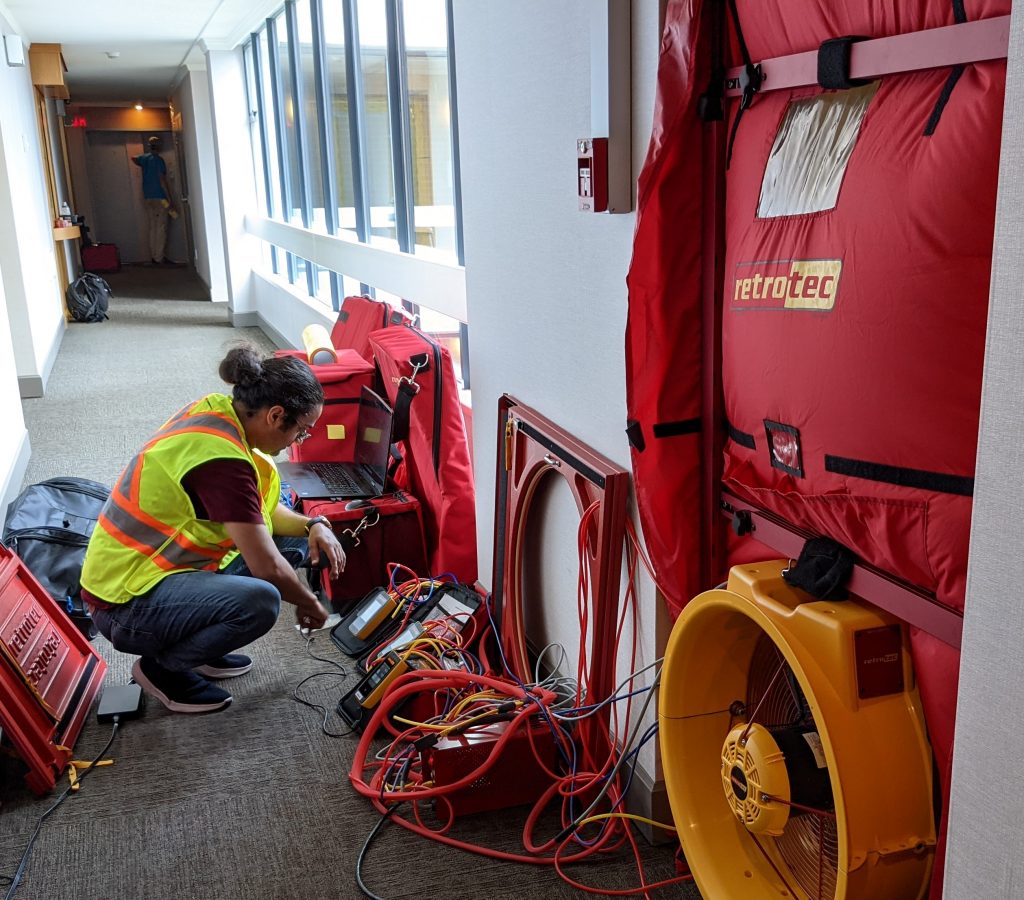
In addition to navigating a deadly pandemic, improving energy efficiency is likely the top priority for today’s building owners facing costly, mandatory retrofits by 2025. Lowering GHG emissions is the collective goal, but those who comply with upcoming changes will also reap countless rewards, including reduced utility bills, increased property value, long-term resilience to climate change, and enhanced occupant comfort.

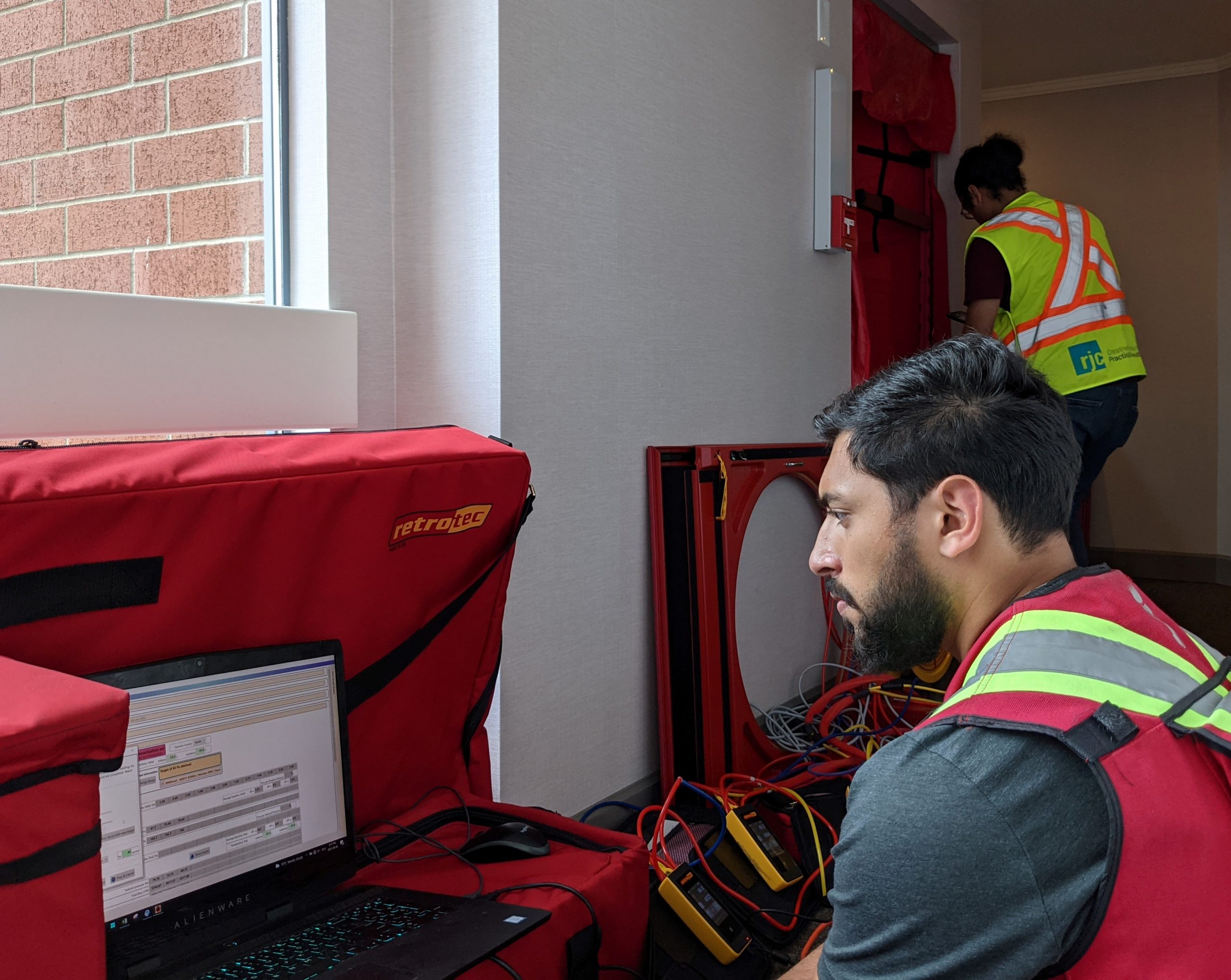
In fact, Veronica Ochoa, Building Performance Project Designer with RJC Engineers, argues that building managers and owners should be proactively seeking out government grants and other means to reduce energy consumption prior to the mandatory targets—otherwise they’ll risk being left with stranded assets.

“Canada is among the top ten greenhouse gas emitters, and together these countries emit over two-thirds of the overall global GHG emissions,” she says. “With emissions from buildings in Canada making up 18% of our GHG emissions, energy efficiency is the most important first step to reducing them. The benefits will compound as the government rightly envisages the crusade against climate change as an opportunity to provide jobs, increase manufacturing and social value by having Canadians benefit from lower utility bills and more resilient buildings.”

If you are the owner of an aging asset, chances are you’ve already begun your energy efficiency journey and are well on your way to a resilient, greener future. But for those still at the starting gates, or looking for a few additional ways to save energy, here are Ochoa’s top five recommendations for easy wins to improve the energy efficiency of a building:

1. Lighting equipment

Replacing existing lighting equipment for more efficient lighting is something all owners of aging buildings should do if they haven’t done so already. According to a study by Natural Resources Canada, retrofitting lighting equipment was the most frequent energy efficient renovation upgrade performed by building owners during the study period, and has long been considered a “low hanging fruit” of retrofits.

2. Lighting controls

An even better win, Ochoa says, is to supplement efficient lighting with lighting controls. “One would think replacing efficient lighting would be coupled with controls, however the same NRCan study shows that this measure only came in at fifth place. Occupancy sensors and/or daylighting controls can help manage energy consumption and limit its use to only when needed.”

3. Commissioning

A proper commissioning process for building mechanical, lighting and enclosure systems ensures that the systems operate in line with manufacturers’ recommendations and in accordance with the design intent and owner’s project requirements. This makes it a winning investment on the energy efficiency front.

“Timely filter replacements, adequate temperature set points and other measures ensure the building makes the most of what is available,” explains Ochoa. “This will help the building perform at its most efficient for the service life of its components until the time comes for them to be replaced. Replacements and upgrades are recommended to be done in conjunction with various building functions (e.g., envelope and systems, lighting, etc.) to result in an integrated solution.”

4. Temperature set-points

Another operational win is to lower the temperature set-point used in the make-up air (MUA) unit. According to a B.C. Housing study on energy use in mid- to high-rise MURBs, most energy is used in heating outdoor air for ventilation purposes. The study found that the outdoor air in a large sample of the analyzed buildings was heated to a temperature greater than 20 degrees Celsius, which is higher than needed for corridors and could be reduced to 15 degrees. This adjustment lowered MAU consumption by about 21% and resulted in a building-wide savings of 12%. While Ochoa warns that energy reduction variations will happen depending on climate zone, building type and systems, it will result in a valuable savings.

5. Energy modelling

Last but not least, the “smart, overall win” according to Ochoa, is to engage a building performance engineer to undertake a calibrated energy model. This, she says, will lead to deeper insights into how energy is used in the building and to recommend energy saving strategies that work well operationally or identify elements that need replacement or retrofitting.

“The building performance engineer may be able to provide guidance on existing grants or loans available for the improvements and to undertake simple pay-back calculations,” she says. “They may also be able to undertake thermal comfort assessments to better inform of the compound benefits of any retrofit solution.”

Educating tenants & residents

The saying “out of sight, out of mind” applies perfectly when it comes to building energy consumption—particularly the “shared kind” for which occupants have no visibility and for which they are not directly billed. Ochoa says educating tenants and residents should be an important piece of any energy efficiency strategy, yet it’s often overlooked. In a condominium building, for instance, reducing common energy use may result in lower strata fees or prevent these fees from increasing as often.

“Retrofitting smart meters or switching to energy-as-a-service (EaaS) model will increase transparency and visibility of energy use,” Ochoa says. “Occupants need to be aware of their consumption patterns and energy costs to be nudged by apps or reminders in their meters about when to take actions at the ‘right’ time. These actions can vary from when to charge their EVs to when to run the dishwasher, and other behaviours that will result in lower bills for them, while in general, lowering emissions.”

Essentially, Ochoa encourages visibility when it comes to tenants’ energy use, as this will only help them make better, informed decisions. In conclusion, she says, “By engaging a building performance engineer, asset managers can identify opportunities for improvement in their portfolio and benchmark their buildings with their peers.”

Find out more by visiting www.rjc.ca or by contacting Veronica Ochoa directly at [email protected].

How to prevent mosquito and wasp infestations

Since the onset of the pandemic, people have been spending more time at home, and this combined with the warmer temperatures have made mosquito and wasp infestations a prominent concern. Busy outdoor amenity spaces and resident patios offer opportunities for both mosquitoes and wasps to loiter where they are not wanted. Late summer is the prime breeding time for wasps in particular, so it is crucial that vigilant steps are taken to avoid infestations on apartment properties.

Wasps can be a threat to people’s safety, and their constant buzzing can be a nuisance to residents and their guests. Furthermore, if someone is allergic to wasp venom, they could pose a serious risk. For mosquitoes, with more than 82 species in Canada alone, transmission of diseases like the West Nile virus are concerns, as are allergic reactions which can sometimes lead to secondary infections. Fortunately, with the proper steps, both pests can be treated and prevented so that residents can get back to enjoying outdoor spaces.

Standing water on balconies

Patios and balconies are often a large selling point for floor plans in apartments, but they can easily offer up rent-free stays for flying pests, especially in the late summer and early fall months. Virtually any amount of standing water is an attractant for mosquitoes, so reminding residents not to overwater plants or to empty overwatered plant containers is crucial. Advising residents to keep an eye out for wasp nests on their patios will also help, as they can alert management as soon as they notice one. Most common nesting sights are under eaves, in wall voids or behind objects or furniture on patios and balconies. Early detection of wasp infestations leads to quicker and more effective removal by your pest management professional.

Cleaning gutters, clearing trash

Gutters should be cleaned and cleared regularly to avoid the build-up of debris and any potential wasp nests. Making sure other general pest control on the property is up to date will also help with wasps, as other pests such as spiders and insects are tasty treats and can attract wasps. Garbage, trash, food or flowering plants on residents’ patios and balconies can attract wasps as well. Inspect and seal cracks, holes and voids in exterior walls to prevent queen wasps from overwintering on property and thereby readily starting their next season.

Bee preventative!

For common areas, the same rule applies for standing water – water is the number one thing mosquitoes need to reproduce and lay their eggs. Even a droplet of water is enough to serve as a breeding spot for mosquitoes. Being consistent with your preventive measures in larger areas is crucial for success in repelling mosquitoes, as they can rapidly reproduce and become an issue before you realize there is even a problem.

As long as the weather is suitably warm, mosquitoes are active. Any common area trash cans, pool furniture, over watered plants with large leaves or decorative ornaments, and poorly drained areas near the pool or countertops for grills can create standing water and attract mosquitoes. Landscaping that is dense or overgrown can also provide resting spots for mosquitoes, so be sure to trim them regularly.

Flowers and certain landscaping can also be the culprit for your poolside wasps. Any outdoor eating areas such as grills or poolside snack areas are prime places to find crumbs or sugary soda spills, both of which can attract wasps to common areas.

As a property owner, the best defense against wasps is to keep the areas clean and to reduce the number of potential nesting sites for wasps. By taking proactive measures against pests that pose both a health risk and a nuisance to residents, you will create an unfavourable environment for them, forcing them to find more appealing places to congregate. But if you find yourself unsure of where to start, contact your pest management provider. Working with an expert who knows your property will help you successfully mitigate the issues and develop an Integrated Pest Management plan, which focuses on exclusion and minimal use of insecticide products. Putting a prevention plan in place now will help you for seasons (and years) to come.

Alice Sinia, Ph.D. is quality assurance manager of regulatory/lab Services for Orkin Canada focusing on government regulations pertaining to the pest control industry. For more information, email Alice Sinia at [email protected] or visit www.orkincanada.com.


Climate change fallout projected to be bleak

Canadian regions will experience climate change fallout differently, but a global consortium of scientists is warning residents everywhere that severe conditions and extreme events are going to be more frequent and intense. The Intergovernmental Panel on Climate Change’s (IPCC) newly delivered compendium of physical science factors and their projected outcomes is the first installment of a three-part assessment report planned for release before the end of 2022.

The report — which is the product of 234 researchers based in 66 countries and was subject to more than 78,000 expert and government review comments prior to public release — synthesizes findings from a range of scientific disciplines and draws on ongoing advancements in global and regional climate simulation to track the evolving momentum of climate change. It outlines expected impacts of 1.5-degree and 2-degree increases in the global mean temperature and details the weather-related forces most likely to be in play in regions and topographies worldwide.

“The innovations in this report, and advances in climate science that it reflects, provide an invaluable input into climate negotiations and decision-making,” says Hoesung Lee, the chair of the IPCC, which is a United Nations body, established in 1988 to provide world leaders with regularly updated scientific insight on the risks and implications of climate change.

“We now have a much clearer picture of the past, present and future climate, which is essential for understanding where we are headed, what can be done and how we can prepare,” concurs Valérie Masson-Delmotte, co-chair of the working group that produced the new report.

A “virtually certain” shift toward warmer temperatures is projected across North America, whereas current wet or dry propensities are expected to become even more pronounced. In Canada, scientists foresee accelerated warming in the far north, with attendant thawing of permafrost, glaciers and polar ice releasing vast stores of sequestered carbon that further escalates damaging trends. Western provinces are in line for harsher droughts and heightened forest fire risk, while increased precipitation spurs more river and flash flooding to the east.

Pacific and Atlantic regions will be vulnerable to a deemed “virtually certain” rise in sea level, causing more flooding in low-lying areas and more erosion, particularly along sandy shorelines. Threats to ocean ecosystems also have flow-through risks for coastal populations and key economic sectors.

For now, scientists are somewhat less definitive about changes in wind speed and related eventualities. “Tropical cyclones, severe wind and dust storms in North America are shifting toward more extreme characteristics, with a stronger signal toward heightened intensity than increased frequency, although specific regional patterns are more uncertain,” the report notes.

Meanwhile, cities are identified as the hotspots of climate change where built form, human activity and sparse vegetation combine to engender urban heat islands. Urban dwellers are expected to suffer amplified daytime temperatures and enjoy a lesser degree of nighttime cooling. They could be exposed to higher levels of air pollution due to heat-related increases in ground-level ozone, and flash flooding is likely to be more problematic as impermeable surfaces channel cascading water to lower-lying catchments. Although these trends are already well established, scientists now have “high confidence” they will worsen.

“Compared to present day, large implications are expected from the combination of future urban development and more frequent occurrence of extreme climate events, such as heatwaves, with more hot days and warm nights adding to heat stress in cities,” the report states.

“Climate change is already affecting every region on Earth in multiple ways. The changes we experience will increase with additional warming,” reiterates Panmao Zhai, co-chair of the IPCC working group.

In laying out the extent of the challenge, the scientific team seeks to bolster commitment for an aggressive response. Following this study of the physical science basis for climate change, the pending two reports in the series focus on adaptation and mitigation.

“Stabilizing the climate will require strong, rapid and sustained reductions in greenhouse gas emissions and reaching net zero CO2 emissions,” Zhai urges. “Limiting other greenhouse gases and air pollutants, especially methane, could have benefits both for health and the climate.”

Fighting germs in the era of shared workspaces

At the height of the COVID-19 pandemic, office managers started looking for ways to make the traditional office environment safer for people to return to work. That challenge was intensified as hybrid and shared workspaces became a first-choice solution for many employers as a way to encourage social distancing and staff safety.

As those workspaces look set to maintain their pole position, this poses serious tests for cleaning staff as this concept is creating a new breeding ground for germs.

“Our franchise offices are getting an increased number of calls to proactively clean hybrid or co-working spaces right now,” Afshin Cangarlu, CEO of Stratus Building Solutions tells CleanLink. “This new model is a big change for workers and we are happy to provide services that help keep people healthy.”

Cangarlu suggests 6 tips for doubling down on hygiene and disinfection in a shared workspace environment:

  1. As first priority when entering an office, wipe desks down with disinfecting wipes at least daily. With numerous people sharing hardware and space, infrequent wiping is no longer sufficient. Encourage building occupants to unplug everything and wipe it all down, including the keyboard and the mouse. Microbes such as the common cold can stay on a hard surface for up to 72 hours.
  2. Try to limit what is shared between employees. While hardware like a mouse or keyboard might be unavoidable, do not share pens or stationery, as the average office pen has 200 bacteria per square inch.
  3. Do not place bags or purses on even sanitized desks. A personal bag picks up germs from home, from a car or public transit, and from the floor of the office.
  4. Ensure kitchenware like coffee mugs or water bottles is always cleared away. It goes without saying that these are covered in germs, so use a disinfectant wipe to move the item to another shared space before beginning work.
  5. Ensure workers are cleaning their cell phones, the ultimate attractor of germs, at least daily. Phone can contain more than 25,000 bacteria per square inch, and the best way to keep germs away in this new environment is to sanitize daily.
  6. Sanitize, sanitize, sanitize. Encourage everyone in the facility to not only sanitize laptops, pens, notebooks etc upon arrival but also before leaving. These days, each desk may well be occupied by a different person the next day, so this is a crucial habit to develop.

Luxury rentals are making a comeback

In a positive sign that recovery is underway, centrally located luxury rentals in Toronto and Vancouver are increasing in both demand and in price, according to the latest National Rent Report from Rentals.ca’s and Bullpen Research & Consulting.

“As employees get called back to the office, and colleges and universities announce their reopening plans, demand has increased significantly in central locations, especially in Toronto and Vancouver where bidding wars are being reported again for rental properties,” said Ben Myers, president of Bullpen Research & Consulting. “The luxury rental market is returning, pulling average rental rates up with it.”

Canada’s average rental rent has increased for the third month in a row, rising to $1,752 in July but down 1.1 per cent from a year ago. The market peaked in September 2019 at $1,954, before falling 14.3 per cent to a low of $1,675 in April 2021. The average rental rate has since increased by 4.6 per cent, erasing some of the pandemic-related declines, but average monthly rents are still $200 cheaper than they were in September 2019.

Larger units wanted

As the country continues to reopen, tenants continue to show a preference for larger units as well as centrally located luxury rentals.

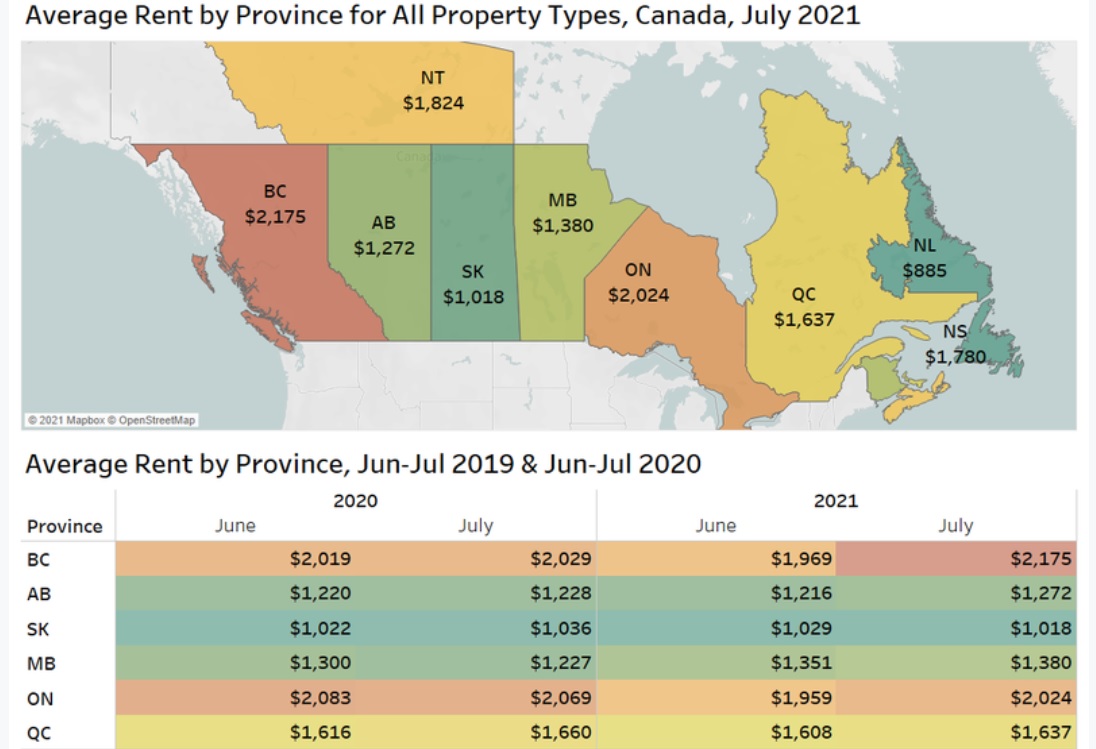
On a provincial level, British Columbia had the highest rental rates in July, with landlords seeking $2,175 per month on average for all property types, an increase of 10.5 per cent monthly and 7.2 per cent annually. Ontario had the second highest rental rates in July averaging $2,024 per month. This is an increase of 3.3 per cent monthly, and a decrease of 2.2 per cent annually.


Meanwhile, Montreal had the largest month-over-month decline in average rent per square foot in July for condo rentals and apartments, decreasing 6.2 per cent  to $2.21. Vancouver had the largest monthly increase in average rent per square foot, increasing 4.5 per cent to $3.66. Etobicoke and Ottawa also had increases in average rent per square foot, increasing by 1.9 per cent to $2.82 and 1.7 per cent to $2.36, respectively.

See the complete report, as well as a breakdown of Canada’s rental markets here: Rentals.ca August 2021 Rent Report