



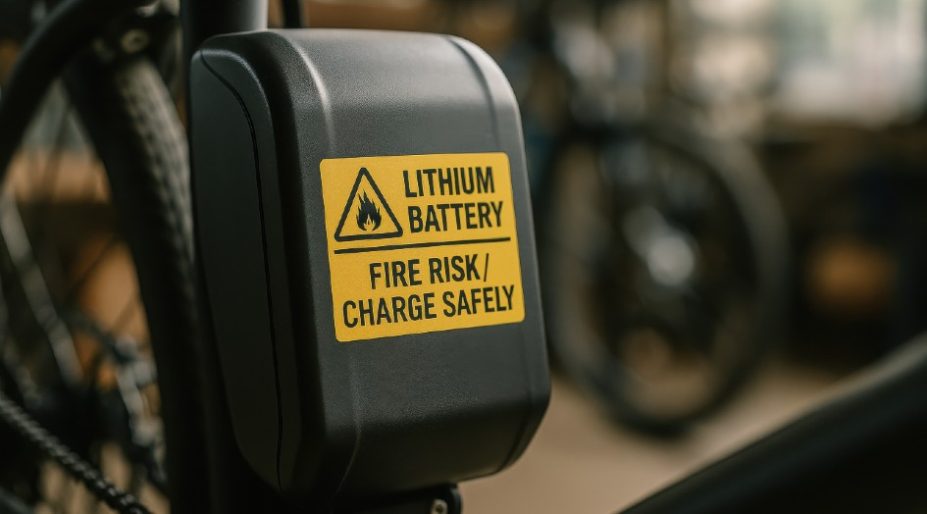
Governments, businesses, and consumers are transitioning away from fossil fuels and related greenhouse gas emissions, prompting the use of lithium-ion batteries in electric vehicles, e-bikes, smartphones, laptops, power tools, and countless other devices.
Various types of batteries are being explored and developed amidst the increasing use of electric energy, but for now, lithium-ion batteries are the prominent form used in most of the above applications. They offer concentrated and relatively light-weight storage of electricity, have a long service life, and can be recharged thousands of times.
Lithium-ion batteries mostly operate safely and reliably, but failures do occur with serious resulting risks, particularly in multi-residential settings. This past April, Toronto Fire Chief Jim Jessop reported that a lithium-ion battery failure for an e-bike caused a serious balcony fire at a downtown Toronto high-rise.
Jessop said the incident underscores the risks associated with these batteries and the hazards that firefighters encounter during emergency response. He also said that e-bike batteries had become the “largest growing fire safety risk” in Toronto. According to a City of Toronto news release in July 2025, fires caused by lithium-ion batteries increased 162 per cent between 2022 and 2024. More recently, as of August 19, there have been 86 incidents in the city, according to Toronto Fire Services.
Condominium corporations are recognizing the steps needed to manage these risks.
Understanding the Risks
The primary safety concern associated with lithium-ion batteries is the potential for “thermal runaway”—a chain reaction that occurs when a battery cell overheats. Once initiated, thermal runaway can generate intense heat, toxic gases, and fires that can spread rapidly. In some cases, battery cells may explode or reignite even after the initial fire appears to have been extinguished.
Battery fires may result from several factors, including:
- Manufacturing defects;
- Physical damage or punctures;
- Exposure to excessive heat;
- Improper charging practices;
- Use of incompatible or counterfeit chargers;
- Overcharging or deep discharging; and
- Aging or degraded battery cells.
The growing popularity of e-bikes and e-scooters has increased the concerns regarding lithium-ion battery safety. E-bikes and scooters often contain large battery packs that are charged inside apartments, storage rooms, hallways, parking garages and exclusive-use areas. In some cases, batteries may be modified, repaired, or assembled using non-certified components, resulting in significant added risks.
Serious Concerns in Multi-Residential Buildings
Residential buildings concentrate large numbers of occupants within a relatively confined space. A fire originating in a single apartment can quickly threaten neighbouring units and common areas. Because lithium-ion battery fires can develop rapidly and produce substantial amounts of heat and smoke, occupants may have limited time to evacuate.
The toxic gases released during battery failures may also spread through ventilation systems and common corridors. Another risk is the increasing use of personal mobility devices, including e-bikes, and electric scooters, which has created new challenges for building managers. Charging activities often take place inside residential units or in exclusive-use areas, where improper charging practices are difficult to detect.
Lithium-ion battery fires can be difficult to extinguish using conventional firefighting methods. Even after suppression, damaged batteries may reignite hours or days later, creating ongoing safety concerns for emergency responders and property managers.
What Can Condominium Corporations Do?
Despite these concerns, lithium-ion batteries can be used safely when proper precautions are taken.
Key safety measures include:
Use Certified Products
Residents should only purchase batteries, chargers, and electric mobility devices from reputable manufacturers and ensure that products have been tested and certified by recognized safety organizations. Low-cost or counterfeit batteries can lack critical safety features.
Follow Manufacturer Instructions
Batteries should only be charged using the charger supplied or recommended by the manufacturer. Users should avoid modifying batteries or attempting repairs unless performed by qualified technicians.
Safely Dispose of Damaged Batteries
Damaged batteries should not be used.
Safe Charging
Batteries should be charged in proper locations, away from combustible materials and from fire routes. Furthermore: Whenever possible, batteries should not be left charging unattended for extended periods or overnight. Early detection of overheating, unusual odors, smoke, or swelling can prevent a small problem from becoming a major emergency.
Safe Storage
Batteries should be safely stored, in accordance with manufacturer’s instructions.
Pass Rules
Rules can serve a number of important purposes: (1) Educating residents (about safe charging and storage of batteries); (2) Allowing the condominium corporation to take enforcement steps in cases where violations come to the corporation’s attention; and (3) Possibly placing responsibility / liability upon any resident who contravenes the Rule. [This in turn may increase the likelihood of compliance.]
The rules can include the following:
- Use only manufacturer-approved batteries and chargers;
- Charge on a non-combustible surface.;
- More generally: Keep batteries away from combustible materials;
- Avoid charging damaged, swollen, or wet batteries;
- Provide adequate ventilation during charging;
- Whenever possible, do not leave batteries charging unattended for long periods, especially high-capacity batteries such as those used in e-bikes, scooters, and power tools; and
- More generally, follow manufacturer’s instructions for charging and storage.
Lithium-ion batteries are useful, important pieces of equipment in our modern society, but they bring risks, particularly from unsafe charging and storage. More condo corporations are becoming aware and passing rules to control these risks, which can particularly help with educating residents before an incident occurs.
James Davidson and Nancy Houle are partners at Davidson Houle Allen LLP Condominium Law. dhacondolaw.ca


The communication of these cautions and tips are of paramount importance but sadly, many condo corporations will send out one email “reminder” and consider it done.
86% of condo communication is about window washing, carpet cleaning, garage power wash, fire alarm testing, generator testing and other “maintenance” related items. The REALLY important stuff – the things that affect safety, security, the budget and more – often goes untold.
It’s a big communication gap that needs to be closed before it causes any more harm.