





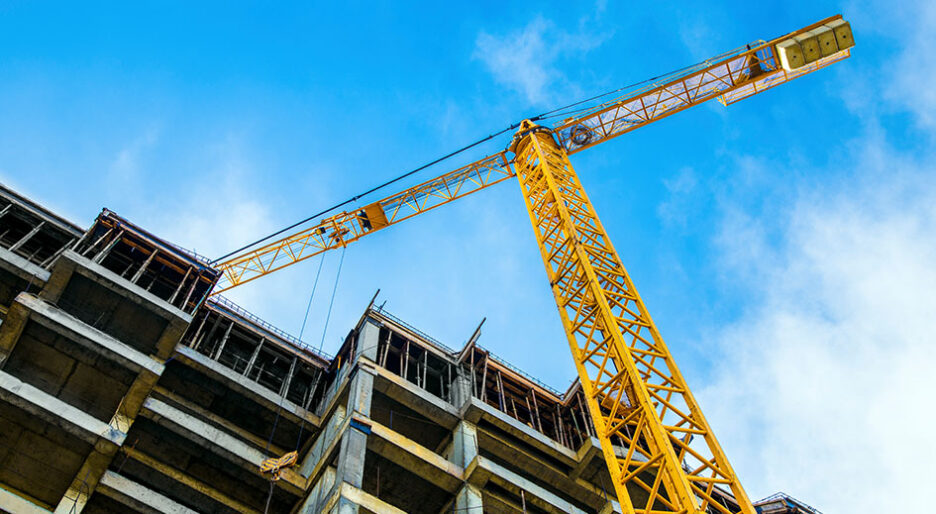
The Canada Mortgage and Housing Corporation (CMHC) found that housing starts fell flat across seven of the country’s key metropolitan areas in the first half of 2025, compared to the same period in 2024. The fall Housing Supply Report also revealed sharp regional differences. Calgary, Edmonton, Montréal and Ottawa were offset by declines in Vancouver and Halifax, while Toronto is on track for its lowest annual housing starts total in 30 years.
A surge in purpose-built rental starts across most of the areas due to government support and incentives, was offset by the large drop in condo starts, particularly in Toronto, Vancouver and Montreal.
“While the increase in rental construction in the first half of 2025 was encouraging, the ongoing construction slowdown in the homeownership market poses risks to future housing supply, workforce retention, and affordability,” said Tania Bourassa-Ochoa, deputy chief economist for CMHC. “The Canadian Home Builders’ Housing Market Index for Q2 2025 reflects industry confidence and shows developers are frequently burdened by high development charges and time-consuming approval processes. Systemic changes to Canada’s housing system are necessary to create an environment with more cost and time certainty to increase supply.”
Key Metropolitan Areas
In Toronto, a 60 per cent drop in condo starts primarily drove homebuilding activity to its lowest point since 1996. A pullback in investor demand during the first half of 2025 reduced project feasibility, leading to cancellations, delays, and a sharp drop in construction. Many in the building community suggest construction costs and development charges must be reduced to ease condo prices and improve project viability.
Rental apartment starts fared better than condos but still fell 8 per cent compared to 2024. In the long-term, the slowdown in construction of all housing types could put further pressure on affordability when economic conditions improve and demand ramps up again.
In Vancouver, condominium starts fell 13.4 per cent. Weak pre-construction sales led to the cancellation and pausing of projects that failed to meet the necessary 70 per cent threshold for financing. Rental apartments are making up a larger proportion of overall housing starts with help from rental financing programs.
About 100,000 approved homes in the region are currently stalled due to difficulties attributed to development charges, which are still a major barrier to homebuilding. However, beginning January 1, 2026, new provincial regulations will allow homebuilders to defer up to 75 per cent of development charges until occupancy.
In Montreal, robust rental apartment construction propelled housing starts in the first half of 2025. This growth was tempered by a slowdown in the condo market, with units under construction at the lowest level in 15 years. Newly built condo units are too expensive for many buyers, causing developers to move away from this housing type. As outlined in CMHC’s Housing shortages in Canada, homeownership affordability has deteriorated in Montreal since the pandemic and a significant increase in new units aligned with local incomes is needed to counter this trend.
New home construction is at record pace in Calgary for 2025. Rental construction continues to surge alongside strong population growth in Alberta, favourable zoning, and financing programs. Updated municipal zoning is also supporting laneway housing, secondary suites, and row housing, facilitating greater density. Calgary recently approved ten office-to-residential conversion projects, with the potential to add an additional 1,100 homes to the downtown.
In Edmonton, new municipal policies supporting more housing supply and downtown growth appear to be working. Inventory in the resale market has remained flat despite the high level of recently completed units, especially in the most affordable price ranges, due to continued strong demand and overall affordability. However, the slowing pace of apartment completions could signal a shortage of skilled labour.
In Ottawa, housing starts nearly doubled in the first half of 2025 because of rental construction. This surge in new rental homes, combined with a slowdown in population growth means more supply for renters in the near and long term. Sales of new homes have been sluggish so far in 2025, particularly condos, with the number of new and active resale listings well above historical norms.
Looking at Halifax, new home construction remained at historically high levels, driven mainly by the rental market. As of June, more than 10,000 rental units were under construction in the region, significantly above the 10-year average. However, rental construction still faces obstacles; obtaining initial approval permits for projects takes longer than building the actual housing, which is a significant drag on supply.

