



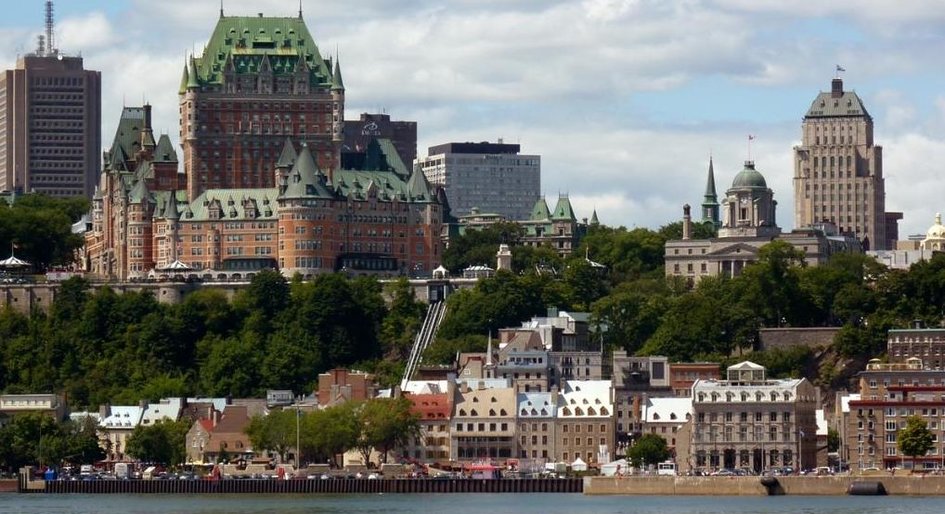
The Quebec Professional Association of Real Estate Brokers’ (QPAREB) residential real estate market statistics for the month of July 2026 reports a 4 per cent year-over-year drop in property sales across the Quebec City CMA. Nevertheless, transactional activity remains 19 per cent above the ten-year historical average.
Plexes were the only category to record an increase in sales (+3 per cent). Single-family home transactions remained relatively stable (-1 per cent), while condominium transactions declined by 14 per cent compared to the same period last year.
By large geographic sector, the South Shore stood out with an 11 per cent increase in sales, while transactions fell by 6 per cent in the Agglomeration of Quebec City and by 17 per cent in the Northern Periphery.
Despite a slight easing of the market due to increased supply, the scarcity of available properties continues to strongly favour sellers. Market conditions therefore remain extremely tight in all property categories.
“At the same time, the increase in the supply of properties available on the market has accelerated since the spring,” notes Hélène Bégin, QPAREB Senior Economist. “The sense of urgency among many buyers is, therefore, giving way to more deliberate transactions. Multiple-offer situations are becoming less frequent, signalling that overbidding is easing in the Quebec City CMA. In July, 20 per cent of single-family homes sold for 5 per cent or more above the initial asking price, compared to half in March. Upward pressure on prices is therefore gradually easing.”
Single-family homes sold after an average of 26 days on the market, the same timeframe as one year earlier. Plexes found buyers in an average of 22 days (-19 days), while condominiums sold in 33 days (-10 days).
The growth in sales on the South Shore, where homes are generally more affordable, helped moderate the increase in the median price of single-family homes at the regional level. Across the CMA, it rose by 1 per cent in July to reach $460,000. The median price of condominiums increased by 5 per cent, while that of plexes jumped by 22 per cent.