Articles Archive - Page 429 of 928 - REMINET
REMI

New mixed-use community coming to LaSalle

A new mixed-use community is coming to the LaSalle borough of Montreal, featuring a mix of local amenities, sustainable construction and an expanse of green space. Called “Le Newman”, the development will include three distinct residences: a rental apartment, a condo, and a residence for active retirees. More than half of the 20,000 square-metre lot will be devoted to nature, terraces and paths.

Located a few streets from Angrignon Park in the LaSalle borough, the project will offer 950 residential units in total. The community is being developed by Cogir Real Estate in partnership with Welltower and designed by NEUF architects.

With each building ranging in height from 14 to 16 storeys, the aim of the project is to transform Western Angrignon District of LaSalle into an attractive, mixed and dynamic community.

According to the official press release, “The sector’s revitalization will be a function, in part, of an integrated mixed-use neighbourhood. With this in mind, outdoor green spaces will be laid out, and they will feature some community equipment for the project. The large paved surfaces (which used to exist on the site) will be removed and there will be a clear preference for materials that have a low volatile organic compound (VOC) content. The development of space that promotes sound waste management will, of course, comply with the LaSalle borough standards.”

The official launch will take place next October.

Architectural image by DevMcGill.

Cut costs, save energy and improve indoor air quality with coil cleaning

As facilities like schools, hotels and long-term care organizations prepare for the fall, an important and sometimes overlooked aspect for maintaining a clean environment is heating, ventilation and air conditioning (HVAC) deep cleaning.

In addition to heating and cooling a facility, HVAC systems contribute to regulating acceptable indoor air quality (IAQ). After being stuck inside during the colder months, germs and other particles such as dirt and dust can spread throughout buildings and accumulate.[1]

It’s important for building managers to schedule a professional coil cleaning. Without proper cleaning, germs, dust, dirt, bacteria and more can be ventilated throughout a facility.[2] Professional coil cleaning service providers use specialized equipment and chemicals to help kill bacteria, mold and mildew within HVAC units resulting in improved IAQ.

Improved Indoor Air Quality

Low IAQ and poor ventilation can result in immediate health effects, including eye, nose and throat irritation, headaches, dizziness and fatigue.[3] While most of the effects of low IAQ are short-term and treatable, other long-term effects, which include respiratory diseases, heart disease and cancer, can be debilitating or possibly fatal.[4]

Research suggests that poor IAQ can negatively affect student performance in educational buildings, triggering issues like asthma and allergies.[5] But low IAQ doesn’t always present physical health issues. A separate study also indicates that poor IAQ in buildings decreases productivity and causes visitors to express dissatisfaction.[6] Clean air supports the health of building occupants and helps employees perform their best.

Cutting Costs

Maintenance and energy bills for large commercial buildings tend to be a high cost for businesses. A commercial building uses most of its energy through lighting and its HVAC system.[7] HVAC units that aren’t regularly serviced work harder and use more energy resulting in higher power bills. When thoroughly and consistently cleaned, units can transfer air more quickly and efficiently. The cleaning removes the dust and other particles that would otherwise restrict airflow, reducing the amount of energy consumed.

Neglecting care can also lead HVAC equipment to overwork itself, resulting in a premature demise. Deep cleaning equipment helps maximize life expectancy of equipment and reduces long-term costs.

What Else Can Help?

Coil cleaning is one of many steps a business can take to keep its facility in top shape for warmer months and beyond. Additional considerations to help ensure a clean facility include:

  • Maintaining Carpets: Carpeted surfaces act as a reservoir trapping dust, dirt, pollen, mold spores, pesticides and other materials which may originate indoors or be brought in from outside. To maintain carpeting, hire a Carpet and Rug Institute (CRI)-certified provider that uses truck mounted and portable units, which rely on heat, pressure and extraction to remove particulate soil embedded in the carpet.
  • Install Protective Mats: Mats act as the first line of defense in facilities, capturing dirt, water and other debris before it enters the facility. Capture dirt and debris by implementing a matting program. Use rubber scraper mats at the entrance of the building combined with indoor traffic mats to reduce contaminants tracked onto the floor.
  • Restore the Floors: Daily maintenance helps extend the life of flooring, but without a long-term maintenance strategy that includes deep cleaning, floors wear easily. With an average of 421,000 different bacteria found on shoes along with harmful debris like asphalt, pebbles and dirt that can cause damage to floors, deep cleaning becomes a necessary part of long-term maintenance. Deep cleaning requires chemicals, equipment and training to break down the build-up and extract all contaminants from grout lines, tiles and other types of flooring. Having an improperly trained staff member clean floors or using the wrong product can be very costly. Improving the cleanliness of the facility by deep cleaning not only extends the life of the floors, but also improves IAQ and enhances a company’s image.
  • Check the Restroom: A well-stocked and clean restroom plays a key role in maintaining facility cleanliness. Facility managers should use cleaners that won’t leave streaks or film on glass, mirrors or other fixtures. Use cleaners that are tough on grime and soap film, but non-corrosive to surfaces such as ceramic, porcelain and stainless steel. Employees should focus on disinfecting key surfaces such as toilets, faucets, door handles and floors along with forgotten areas such as light switches and partitions.

Proper facility maintenance can lead to improved IAQ, enhanced building cleanliness, reduced energy costs and increased asset life expectancy. Consider implementing a HVAC coil cleaning program and other key facility maintenance procedures to improve your business’s image, and its bottom line.

John Engel is Director of Marketing for Cintas’ Facility Services division. He has more than 11 years of industry experience and is responsible for Cintas’ Facility Services product line management and development. For more information about Cintas’ clean offerings for facilities, visit cintas.com/facilityservices.

[1] https://www.epa.gov/indoor-air-quality-iaq/office-building-occupants-guide-indoor-air-quality

[2] https://www.epa.gov/indoor-air-quality-iaq/office-building-occupants-guide-indoor-air-quality

[3] https://www.epa.gov/indoor-air-quality-iaq/introduction-indoor-air-quality

[4] https://www.epa.gov/indoor-air-quality-iaq/introduction-indoor-air-quality

[5] https://www.epa.gov/iaq-schools/how-does-indoor-air-quality-impact-student-health-and-academic-performance

[6] https://www.ncbi.nlm.nih.gov/pubmed/15330777

[7] https://www.eia.gov/energyexplained/use-of-energy/commercial-buildings.php

A case study in workplace reinvention

Before the pandemic hit, consumer engagement and insight agency Jackman Reinvent was in the process of planning a move to 80 Atlantic, a stunning new office building in downtown Toronto. Then everything came to a screeching halt. But after several months of hunkering down, it became apparent that the employees were craving the type of human face-to-face interaction that allows for the free exchange of ideas and collaboration in the workplace. So, rather than making the decision for them, a survey was sent out to try and understand what they wanted to do: return to the office or continue working remotely full time?

The answer was a bit surprising. The majority of employees expressed a strong desire to return to the workplace. They also, understandably, expressed concern around the safety of doing so. The leadership team was now tasked with finding a way to open our office doors, while maintaining proper safety and health measures. After many conversations and much planning, the agency has recently started allowing employees to come back into the office. It took an effort of reinvention and new thinking, but here are the main areas that were focused on:

COVID-Aware Office Design

Design the office to allow for six feet of distance between occupants and establish control over entry points, including for any deliveries. Specify seating assignments to give ample space between seats and to avoid desk sharing. All spaces should operate at reduced capacity, including meeting rooms, and small rooms should be made single occupant only. Remove chairs from meeting rooms so people don’t linger, and so there’s one less thing to keep clean. Designate and design direction of foot traffic with one established direction through the primary circulation paths. Consider installing low-touch or no-touch switches, doors, drawers and other fittings.

Give Employees a Say

Offer an anonymous poll to employees prior to opening up the workspace to determine what their needs and desires are. Ask them how many days they want to come into the office and what schedules and arrangements might work best for them. Be mindful of the fact that childcare options have drastically changed for many people and don’t punish them for it. Clearly set employee expectations, with an emphasis on making them feel secure. Allow employees to work from home or change their schedules when needed. Conduct polls frequently after the office reopens to make sure things are working smoothly.

Prepare the Workforce

First and foremost, the return to the workplace must be voluntary. Everyone’s situation is different, and some employees might not be comfortable or able to come back to the office at all. Business leaders can help mitigate the anxiety of returning to the workplace through change management planning and solid two-way communications with workers. Ensure that your leadership is in complete alignment upon re-entry. Offer clear communications to employees around the back-to-work plan, including safety protocols, and allow employees to ask questions and make suggestions. Give those working on in-flight projects the first option to return to the office. Make it clear that employees who are feeling unwell should stay home or leave the building immediately if they’re already in the office.

Create a Common-Sense Safety Plan

Provide temperature checks on arrival using a handheld remote scanner. Reinforce handwashing, social distancing, and use of PPE by providing wipes and sanitizers at reception and throughout the office. Have employees sign a form acknowledging that they’re symptom free and that they agree to abide by the six-foot distancing rules. Vendors should not be permitted past the lobby.

Reduce Touchpoints & Increase Cleaning

Look for ways to reduce the use of touchscreens and other high touch items (e.g., iPad bookings, remote controls, vending machines). Regularly sanitize all workspace areas, including conference room, breakroom, cafeteria, restroom, and other common or high-traffic areas. Supply disinfectants near or on each desk or work area and enable DIY cleaning by providing employees with ample hand sanitizer and disinfectant wipes. Ensure that employees have access to secure designated storage areas for their personal items.

Now, more than ever, leadership teams must understand the importance of being flexible and responsive to evolving needs. Acknowledge that things will change, and that policies may change too. HR policies are usually definitive, but in this case, organizations need to be more fluid and respond to changes that may be coming and that aren’t always anticipated. Continue to get a pulse on how employees are feeling and let that help guide next steps.

Joe Jackman is CEO and Founder of Jackman Reinvents and author of The Reinventionist Mindset: Learning to love change, and the human how of doing it brilliantly.

GRESB response demonstrates ESG momentum

COVID-19 hasn’t diminished ESG momentum contend administrators of the GRESB global benchmark for environmental, social and governance performance of commercial real estate portfolios and infrastructure assets. With the deadline for 2020 data submission recently passed, participation in this year’s assessment climbed by 18 per cent over 2019 and now represents more than USD $5.3 trillion worth of assets under management. Results will be released later this fall.

“With accelerating sustainability risks, accessing standardized and reliable ESG data and benchmarks has never been more important to investors,” observes GRESB co-founder and managing director, Sander Paul van Tongeren.

That’s reflected in a 69 per cent increase in GRESB respondents choosing to opt into the pilot resilience module, now in the final year of a three-year trial period before key indicators are selected to be incorporated into required reporting in 2021. A total of 543 entities, including private real estate companies, REITs, property funds, developers and infrastructure assets and funds, completed the supplementary assessment, which aligns with Task Force of Climate-related Financial Disclosure (TFCD) indicators.

This year’s real estate assessment will scrutinize data for more than 96,000 assets located in 64 countries, collected from 957 private companies and funds and 272 publicly traded companies and REITs. That includes 79 of the top 100 global real estate investment managers as determined by IPE Real Assets, and 61 per cent of the coverage of major listed company indices.

This year’s two-track infrastructure assessment encompasses 118 funds and 426 assets. Those assets are located in 40 countries, represent 32 different industry sectors and are collectively valued at USD $576 billion.

“It’s inspiring to witness the collective industry effort from around the world to improve ESG transparency and advance sustainable real assets,” van Tongeren says.

Scientists Recommend Drying with Paper Hand Towels

Drying your hands with paper hand towels is the most effective method for reducing the proliferation of bacteria among people, and for limiting the dispersion of bacteria into the environment.

This efficiency is linked to the way it is used, which combines friction and absorption. Such are the conclusions which microbiologist Marie-Hélène Charest reached in her review of scientific articles published between 1969 and 2019.

The COVID-19 pandemic has brought hand washing back to the forefront of our concerns. And washing your hands also means drying them, an equally crucial step in the hand hygiene process. A scientific study demonstrated this in 1997, highlighting the importance of removing residual moisture from hands. On contact with a surface, wet hands can transmit up to 68,000 bacteria, compared to less than 100 for dry hands. This is important because many people wash their hands superficially and take too little time to dry them. Here are other findings from Charest’s review.

Three Advantages Of Paper Hand Towels

They’re faster. Drying your hands for 10 seconds with a paper hand towel reduces residual moisture by 90 per cent.

They’re more practical. Paper hand towels allow more people to dry their hands at the same time. They also protect your hands from dirty surfaces like taps and door handles.

They’re quieter. A jet air dryer positioned half a metre away makes more noise than a heavy truck that is three metres away. Jet air dryers are thus a risk for people who are exposed for a long time, and this makes them a less attractive drying method.

Three Myths To Debunk

Paper towels and hand dryers are two equally appreciated methods to dry your hands.

False, because it is the quickest method of removing moisture from your hands, studies show that up to 62 per cent of users prefer hand towels as a drying method, compared to less than 28 per cent for hand dryers. Considering this preference for paper towels, adherence to hand hygiene could decrease if they are not available in washrooms.

Jet air dryers do the job just as fast as paper.

True, but this type of dryer also increases the spread of aerosols or water droplets in the air containing germs (i.e., bacteria and viruses). This facilitates potential transmission and is linked to the way the machines operate (they send powerful jets of air onto hands to remove residual water).

Cloth towels are a good financial compromise.

False, science has shown that cloth towels are reservoirs of biological contamination. For example, one study found an 89 per cent coliform and E.Coli contamination rate on fabric and on hand towels used in kitchens.

To learn more download our white paper here 

The Cascades PRO® brand is part of Cascades Tissue Group, a leader in the United States and Canada. Cascades PRO® offers hand towels, bath tissue, napkins, kitchen roll towels, facial tissue, wipers and dispensers. Sold through distributors, Cascades PRO® delivers proven, cost-effective hygiene solutions – from bathroom to boardroom to lunchroom to classroom and beyond – with a wide range of product lines that get the job done.


Task force releases national COVID-19 recovery plan

The national Task Force for Real Jobs, Real Recovery has released a new report for Canada’s economic recovery amid the COVID-19 pandemic.

Securing Canada’s Economic Future asserts that global and trade competitiveness will be core determinants of the success of economic recovery and the return to standards of living for individuals and families. It also determines that a status quo approach to economic recovery would neglect opportunities to generate significant, sustained and shared benefits for all Canadians.

The group represents more than a quarter of a million businesses and three million workers across Canada.

“We need economic solutions that punch above their weight. It’s the only way to address the significant fallout to our economy caused by COVID-19,” said Stewart Muir, executive director of Resource Works. “Projections are for our economy to shrink from 6 to even 7 per cent if we see a second wave in 2020. The good news is that the resource sector can be our engine of growth, while we continue to take meaningful climate action.”

The task force noted its economic modelling indicates that with the right conditions, natural resources and manufacturing could generate up to 2.6 million new jobs and up to a 17 per cent increase in real GDP. This could amount to a nearly $200-billion increase in potential labour earnings, while still moving Canada towards a low-emissions future.

In the first quarter of 2019, resource industries directly contributed $236 billion to Canadian GDP, representing 11.3 per cent of the Canadian economy. The sector’s workers are paid the highest average annual salary of any sector. This means their pay will help to generate the demand for goods and services needed to drive employment in other sectors including retail, real estate, entertainment, hospitality and tourism.

The task force says the resource sector is also key to economic reconciliation with Indigenous communities and peoples. Indigenous-owned businesses are 40 times more likely to be involved in the mining and oil and gas sectors than the average Canadian business. The resource sector hires twice as many Indigenous employees and pays on average twice as much in wages as other sectors.

“The reality is that the resource sector is foundational to Indigenous people’s success,” said Karen Ogen-Toews, councillor, Wet’suwet’en First Nation and CEO, First Nations LNG Alliance. “It helps to provide jobs for people in their communities, provide family-supporting wages and empower our nations increasingly as co-managers. If we are going to come back from the COVID-19 pandemic, we need these opportunities.”

Some of the recommendations in the report include:

  • Mobilizing resource prosperity by leveraging Canada’s industries; advancing regulatory efficiency; attracting capital investment; enhancing critical infrastructure; ensuring access to resource lands; and maximizing Indigenous economic participation.
  • Building meaningful employment by ensuring job creation; building employment resiliency; advancing Indigenous employment; and enhancing skilled workforce mobility.
  • Accelerating innovation and environmental competitiveness by aligning climate action and natural resource development; driving challenge-oriented innovation; advancing emissions reduction technologies and plastics innovation; supporting advancements in sustainable forestry and mining; and developing hydrogen and small modular nuclear reactor industries.

The task force plans to give its report and recommendations to the federal government, including the Industry Strategy Council, a federal initiative launched in response to the economic effects of the COVID-19 pandemic.

Indoor air quality assurance bolsters reopenings

Indoor air quality assurance and vigilance are already high on the readiness checklist for commercial venues as building users return from lengthy COVID-19-prompted absences. The Building Owners and Managers Association (BOMA) of Greater Toronto is now drawing on prominent scientific and practical expertise to provide ongoing guidance to the commercial real estate industry.

The newly struck HVAC Advisory Council is aligned with BOMA Toronto’s Return to Work Committee and is tasked with monitoring and responding to emerging knowledge about how SARS-CoV-2 — the virus that causes COVID-19 — spreads. Co-chairs, Bronwen Edgar, risk manager at Sunnybrook Health Sciences Centre; Brian Fleck, professor of mechanical engineering at the University of Alberta; Luke Leung, a director with Skidmore Owings & Merrill and a member of the ASHRAE Epidemic Task Force; and Jeffrey Siegel, a professor of civil and mineral engineering at University of Toronto, bring complementary insight on infection control, air cleaning and HVAC system engineering to merge with the larger panel’s knowledge of building operations, property and facility management.

“The Return to Work Committee was created to drive dialogue and to help our membership and the commercial real estate industry reopen buildings and return to work safely,” BOMA Toronto reiterates. “Concerns regarding the potential spread of SARS-CoV-2 through building HVAC systems remains a very important focus for BOMA Toronto and all of our members.”

CAPREIT expands portfolio in southwestern Ontario

CAPREIT has waived conditions and agreed to purchase a portfolio of two properties in southwestern Ontario for a purchase price of $50 million. Aggregated occupancy in the Sarnia and London properties currently stands at 98.3 per cent with only five vacant suites in the portfolio. Closing is expected on or before September 21, 2020.

“These acquisitions expand our presence in the strong southwestern Ontario markets of London and Sarnia,” commented Mark Kenney, President and CEO. “We look to achieve solid returns on investment as operating synergies and economies of scale are realized through the increase in the size of this region’s portfolio.”

The London property is a six-storey apartment building located in Southwest London containing a mix of 107 bachelor, one- and two-bedroom suites. Located within a short walk of the Thames River, the property is close to a shopping mall, public gardens and other amenities, as well as local transport and access to major thoroughfares.

The Sarnia property consists of a ten-storey apartment building, a three-storey apartment building and 60 townhomes totaling 194 residential suites, as well as one commercial unit. The property is located in a pleasant low-density residential neighbourhood close to schools, parks, public transit and highways. Amenities include park-like landscaped grounds and a seasonal swimming pool.

CAPREIT is one of Canada’s largest real estate investment trusts. CAPREIT owns approximately 56,700 suites and sites, including townhomes and manufactured housing sites, in Canada and indirectly through its investment in ERES, approximately 5,600 suites in the Netherlands. CAPREIT manages approximately 60,800 of its owned suites in Canada and Netherlands, and additionally, approximately 3,800 suites in Ireland.

Edmonton’s construction season is in full swing

Construction season is in full swing in the City of Edmonton despite the COVID-19 pandemic. Currently 94 per cent of the city’s construction projects are on budget and 84 per cent are on schedule.

“Despite the challenges that a busy construction season can bring, especially with the added pressures of the pandemic, we’ve continued working safely for Edmonton’s future, maintaining and improving our city,” said City of Edmonton acting deputy city manager Jason Meliefste.

“Robust and healthy infrastructure is critical to a safe and healthy Edmonton. A city of one million people depends on the work we are doing across transportation, neighbourhoods, parks, facilities and LRT, and that is why it was so important to keep this work moving forward.”

Capital projects underway include:

  • Yellowhead Trail, which is being widened to three lanes in each direction from 61 Street to the North Saskatchewan River. Crews are also boring drainage pipes with an auger machine directly below Yellowhead Trail. Eastbound widening is anticipated to be complete in 2021 with the majority of the westbound work finishing later this year. The conversion of the Yellowhead Trail into a freeway is slated for 2027.
  • Work continues on Groat Road Bridge. Traffic on the bridge remains one lane in both directions. Off-peak night time closures will continue and full daytime closures are planned for the end of September. This project is on track to be completed by the end of fall 2020.
  • The Valley Line West LRT route is being prepped for full construction of the project to begin next year. Crews are busy completing utility relocations and building removals to accommodate the new infrastructure.
  • Valley Line Southeast construction continues with shelter structures going in for the stops and the final sets of cable stays being installed on the Tawatinâ Bridge and Train #13 arriving in the city.
  • The Metro Line Northwest Extension Phase 1 from NAIT to Blatchford began construction in June. The 40-plus year-old LRT network requires maintenance and upgrades to ensure it continues efficiently and reliably over the long-term.
  • Work has begun on the Stadium Station Redevelopment project, it is expected to be complete by January 2022.
  • The City’s Neighbourhood Renewal Program has been in full swing this summer with 16 projects currently underway. Over 100 kilometres of roadway and sidewalk will be completed this year, and over 10 kilometres of alleys will be reconstructed.

“We understand that the impacts of construction have been felt differently this year, with many more Edmontonians spending their days at home and off the roads. As much as possible, the city has been working to minimize the impacts to citizens and keep them informed. Construction season can be a massive and disruptive undertaking, and we really appreciate people’s understanding and support, now more than ever, as work is underway to improve our city for the future,” said Meliefste.

The city is also improving roads with crews completing more than 309,905 pothole and asphalt repairs since the beginning of 2020—an increase of 61,830 potholes from 2019.

Nunavut undertakes low-carbon energy project

A $27-million joint Canada-Nunavut investment will advance the low-carbon energy management project planned for 45 government buildings in six communities throughout the South Baffin region. Local construction trades are invited to submit tenders for the retrofit initiatives and renewable energy installations through the Nunavummi Nangminiqaqtunik Ikajuuti portal of the Nunavut government website.

Joe Savikataaq, Premier of Nunavut and Minister of Environment, underscores the multiple benefits of creating jobs, supporting skills training, reducing energy costs and replacing diesel generation with low-carbon alternatives that improve air quality. The federal government’s $18.3-million share of the funding represents 59 per cent of the money allocated to Nunavut through the Low Carbon Economy Leadership Fund, aimed at reaching Canada’s target to reduce greenhouse gas (GHG) emissions by 30 per cent below 2005 levels by 2030.

“Canada’s North is disproportionately impacted by global warming,” Savikataaq observes. “We are happy to partner with the federal government to foster healthier communities in the territory.”

Iqaluit’s 29,000-square-foot federal and territorial service hub is slated for a retrofit. A range of measures for other buildings include LED lighting, water-saving fixtures and upgrades to building envelopes, mechanical systems and controls. On the renewable energy front, solar photovoltaic systems will be installed in nine buildings, while another gets a solar hot water system. Collectively, the upgrades are projected to deliver a cumulative reduction of 24,000 tonnes in GHG emissions over the life cycle of the buildings.

“We cannot stop the fight against climate change,” asserts Minister of Northern Affairs Daniel Vandal. “Northern Canadians are among those witnessing climate change first-hand.”

New toolkit offers advice for Canada’s main streets

A new toolkit from the Canadian Urban Institute and Happy City is offering advice and evidence to revive Main Streets, core spaces in big cities, suburbs and small towns that have been impacted by COVID-19.

The Pandemic Recovery Toolkit for Local Communities is part of the Bring Back Main Street project, a nationally– coordinated research and advocacy campaign committed to finding the best solutions to ensure our Main Streets recover from COVID–19 and emerge from the crisis more resilient than ever.

“The health of our main streets is linked to the health of our cities and our sense of community and well-being”, said Mary Rowe, president and CEO of the Canadian Urban Institute. “Our colleagues at Happy City have created this toolkit for communities to bring people back to main street in safe, healthy, and equitable ways to promote connection and boost local economies.”

According to the institute, cities that rush to transform their Main Streets without meaningfully involving all stakeholders risk deepening those inequities. Neighbourhoods with affluent (often mostly-white) residents end up receiving more benefits, while marginalized neighbourhoods, with a higher share of residents who are Black, Indigenous or people of colour, are ignored, explained report co-author Mitchell Reardon.

“This toolkit was created to go beyond eye-catching design, to help establish rapid placemaking processes that support engagement, inclusion and co-creation among the many people you’ll find on Main Streets across Canada,” said Reardon, urban planning and design lead at Happy City. “Getting this right is critical to a just pandemic recovery.”

By providing examples of programming and interventions, as well an inclusive process for rapid placemaking, the toolkit can be used by residents, community groups, BIAs/BIDs, and city staff to support local businesses and community.

Protecting equipment, employees and properties

Equipment theft on construction sites is an all too frequent problem in the industry. In addition to addressing this issue it’s also more pertinent to protect our workers during the current COVID-19 pandemic, the recent rioting vandalism that made headlines, plus the unique challenges of monitoring hundreds of workers in a work atmosphere that is constantly changing. That’s why Graham Construction is a “surveillance success story” worth hearing about.

From pilot project to standard practice

When Graham Construction received a commission to build a new food processing plant in London, Ontario, they knew they wanted to further develop a security solution that they had been piloting with their partners Accara IT Services and Axis Communications. The goal was to make it a standard at all their construction sites to detect and deter theft, while keeping both workers and the property safe. Specifically, it had to provide hard evidence to support investigations in the event of a breach.

When modular is mandatory

Graham Construction needed a security and safety solution modular enough to be moved as needed. The resulting total solution is contained on 12 posts — each 6 x 6 inches wide by 16 feet high — cemented in-ground in strategic locations throughout the work site.

Each of these innovative “security posts” have an outdoor-rated red emergency button which activates mass notification/evacuation, two Axis network cameras – one with PTZ (pan/tilt/zoom) functionality and one with 360-degree coverage, plus two Axis network horn speakers mounted for optimum audibility. The video management software (VMS) that connects all of the equipment and allows control of the entire system is Axis Camera Station. It’s all connected by a secure wireless network, and the cameras can be managed and monitored on and off-site by authorized users from their desktop or smart devices.

“It’s very modular,” explains Mike Candow, project manager at Graham. “When we dug the posts in, we made sure that we could pick the whole post up. The complete system can be moved anywhere throughout the site at any given time, all depending where the construction is ongoing.”

The equipment is powered via movable LED light towers situated near each post. By way of diesel engines, the towers provide light to the job site during low-light conditions or for added safety, and act as generators to provide power for the security equipment.

Keeping workers safe and informed

Audibility can be a problem on a job site with up to 700 workers, given the acoustical properties of construction materials and activities such as welding and sawing. On previous projects, Graham Construction had used air horns for mass notifications, but the volume was not adequate.

So, the team brainstormed, and the result was installing Axis network horn speakers, which are outdoor loudspeakers that provide clear, long-range speech. The workers can now hear alarms and pre-recorded (or live) announcements easily, even while wearing their personal protective equipment.

“If something on-site happens — you have a gas leak or you have a major incident, a first-aid scenario — any of the workers on-site can hit this button, which basically engages all of our cameras, all of the horns, and evacuates the entire site. We’re able to evacuate everybody quickly and safely in the most efficient manner possible,” explains Candow.

Eyes on everything

With 24 network cameras and radar detectors constantly transmitting to the Camera Station VMS, if something is “off,” they will surely see it. The PTZ network cameras are programmed for guard-tour operation, while the 360-degree network cameras each have four sensors on a ring, which can be rotated to get desired coverage. Brian Fleming, president of Accara, configured the system so that both cameras on each post operate as one module.

“Everything is set up for recording on video triggers, so if there is activity in a particular zone, then it’s going to be recorded in that area,” explains Fleming. “[Cameras] also will be tracking motion when it’s in their visibility.”

The system has also proven to be a big time-saver, because you can check on any area of the site remotely.

“This is a 640,000-square-foot facility,” says Candow. “It takes about an hour to get all the way around the site, so to have the ability to just check on something from your office without having to do that walk is highly beneficial to folks.”

Valuable video footage

Theft can be a major problem on construction sites because there is a lot of valuable, and portable, equipment. “We had two generators stolen,” recalls Candow. “I had the Ontario Provincial Police come out and they said, ‘We can open a file for you, but we can’t open an investigation unless you have either an individual by name or video proof’ … so you can identify the face.’”

With network cameras installed between 12 and 15 feet high, “that’s a perfect height to be able to zoom-in for facial recognition. Then we can send that to the police department and open a proper investigation. All of our subcontractors feel far more secure leaving their equipment on-site if they know that we have this system in place,” adds Candow.

Additionally, recorded video is essential for substantiating any safety-related occurrences. “As project management teams, we are bound by the court of law for anything that occurs on a job site,” says Candow. “Having video proof of exactly what happened is a safety net for project management staff.”

Recorded video is stored on the camera station server, located in the construction office, for 30 days or longer in the event of an incident.

An excellent return on investment

Not a single piece of equipment has been taken from the site since the system was put in.

“One-hundred percent, this just brings a heightened level of security, a heightened level of safety to an already complex work environment,” summarizes Candow.

When considering preventative measures, and taking in account for COVID-19, investing in an end-to-end surveillance solution that can be reapplied in new ways makes even more sense. For example, monitoring workers via network cameras can help to ensure that they are social distancing, while audio announcements can remind them not to attend work if they have any COVID-19 symptoms and to wash their hands regularly.

When this project is done, Candow plans to uninstall the security poles and re-install them at the next construction site. “Overall, from upper management to the workers on site, everybody is more than pleased with the efficiency and the quality of the product and what it brings to the table, [now and in the future],” he says.

Gavin Daly manages the Professional Service Group (PSG) at Axis Communications, Inc., providing technical expertise and personalized advice for both internal and external customers.

Photos courtesy of Axis Communications



Blazing a trail for zero carbon in Nova Scotia

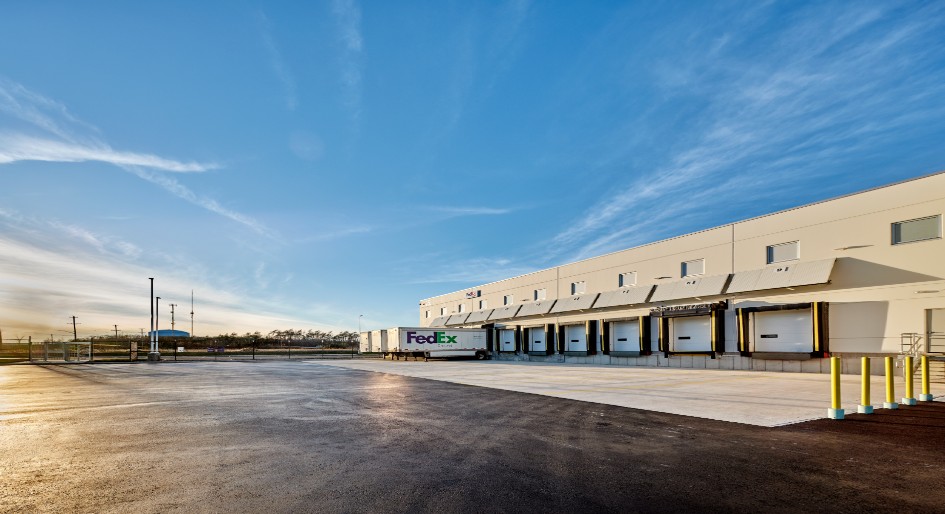
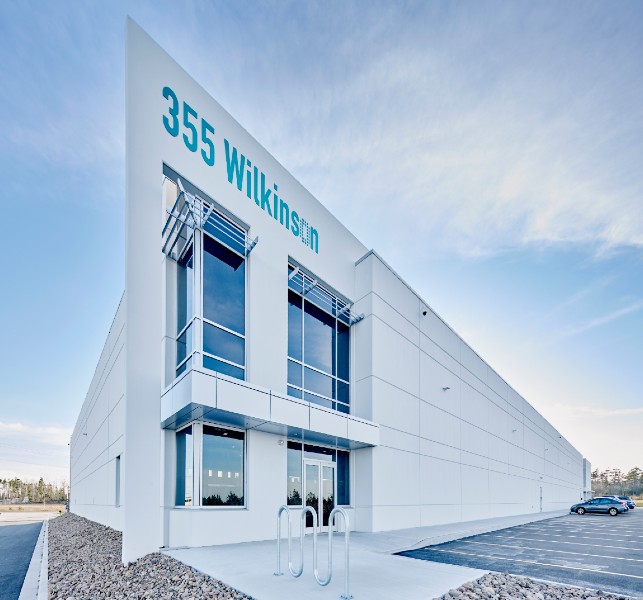
The Wilkinson Warehouses are a set of five multi-tenant buildings in Dartmouth, Nova Scotia. Among them is 355 Wilkinson, a 65,000-square-foot warehouse that became the first one in the country to earn Zero Carbon Building – Design (ZCB-Design) certification last fall. The project marks an evolution in warehouses and, more broadly, the potential for a lower-emitting industrial sector—an asset class rarely at the forefront when building standards are created.

Using prior knowledge of energy consumption, developer and manager East Port Properties created a net-zero building that goes beyond the standard. The result is a space where tenants pay no central heating bills and operating costs are kept low. With a second warehouse recently achieving ZCB-Design certification, the Wilkinson development shows how innovation can be cultivated on a larger scale.

Buildings currently account for 17 per cent of greenhouse gas emissions across the country. By 2030, Canada has vowed to cut greenhouse gas emissions by 30 per cent below 2005 levels. To help the country meet its targets, the Canada Green Building Council (CaGBC) created the ZCB standard as a homegrown solution. The program, involving both design and performance certification, measures the carbon balance of a building and is the only one of its kind to make carbon reductions the key indicator for building performance.

Here’s a look at how 355 Wilkinson achieved no-cost heating in a zero-carbon facility, creating a pathway for many types of facilities, both new and old, to follow suit.

Getting to Net Zero

As part of the CaGBC’s ZCB pilot program involving 15 buildings across Canada, East Port began the first phase of their warehouse development—355 Wilkinson.

Given the company’s experience with energy efficiency—East Port developed the first multi-tenant warehouse in Halifax to be certified under the Leadership in Energy and Environmental Design (LEED) program more than 10 years ago—President Judy Wall felt it was possible to create a comfortable, leasable building with a net-zero cost central heating.

The East Port team knew the key elements that would have significant impacts on building energy use: reduced air leakage, better insulation, efficient heating systems and automated controls to reduce dependence on human intervention to operate the system. After teaming up with Efficiency Nova Scotia, it was able to minimize operating costs for future tenants.

The building design started with a tight and well-insulated building envelope. The insulation value of the roof was upgraded to R-40, and then built using airtight, insulated, tilt-up concrete sandwich panels for continuous R-20 insulation value. According to Wall, one of the prime spots for heat loss is at the loading docks. Vertical-storing dock levelers, a product typically used in cold storage warehouses to keep the cold inside the building, were used to further reduce air leakage.

zero carbon

A central in-floor system supplies heat via air-to-water heat pumps. This central heating system consists of six air-to-water heat pumps and a peak-load/back-up condensing natural gas boiler that provides a constant floor temperature of 17 degrees Celsius. The hot water distribution is provided by electronically commutated motor circulator pumps in single-bay zones.

Overhead unit heaters, metered and billed directly to the tenant, supply additional heating. Controls were also installed to stop in-floor heating circulators from running in areas with open overhead doors. With the tenant-metered overhead unit heaters making up for open doors, tenants are more aware of their operating costs.

East Port also installed a net-metered solar photovoltaic system through Nova Scotia Power’s Net Metering program. The system is sized to offset the cost of fuel sources—assuming a heating energy intensity of 1.6 e-kWh per square foot. With these heating considerations, a tenant could see a no-cost central heating bill by paying attention to how long their overhead doors were left open.

The efficiency of the design also speaks to the increased comfort of the tenants. During an eight-hour power interruption, when it was minus 15 degrees Celsius outside, the indoor temperature dropped only 0.5 degrees Celsius.

Beyond the Standard

To make the space even more desirable for tenants, East Port embraced unusual warehouse features, such as Solera windows and skylights to maximize the use of daylighting. The buildings are also equipped with automated, energy-efficient ventilation systems and LED lights with motion sensors.

While East Port did see a roughly 10 to 15 per cent premium for building to Zero Carbon over standard, they are now seeing a return on that investment: higher net rents are achieved because tenants have a significantly lower heating energy bill and more comfortable workspace.

Warehouses have traditionally focused on providing the lowest-cost product, especially since developers don’t always know what the building’s final use will be, or how that usage might change over time. Developers like East Port are seeing an increased demand for sustainable real estate and are creating a market for smart spaces and value-add property management services.

Warehouse Pioneer

In working to achieve their Zero Carbon Building certification, East Port focused on what they could control to help their tenants achieve net-zero central heating.

The construction of a third Wilkinson warehouse—also targeting ZCB certification— is now underway, with plans for a fourth building rising sometime next spring. In addition, East Port is pursuing ZCB – Performance certification. Performance certification proves the project’s operation has earned zero carbon emissions over a one year period, as required by annual verification.

Such learnings will help guide the future of warehousing and inform future iterations of the CaGBC’s Zero Carbon Building Standard.

Mark Hutchinson leads the Green Building Programs at Canada Green Building Council (CaGBC), including overseeing the LEED and Zero Carbon Building Standard certification programs. Mark holds Masters in both Business Administration and Environmental Studies.

Photos courtesy of CaGBC

zero carbon

Regional economic impacts of COVID-19 parsed

The strengths and vulnerabilities of key sectors either muted or accentuated COVID-19’s regional economic impacts, a newly released report from the Conference Board of Canada concludes. Full recovery is expected to come with: a pullback from social distancing requirements; resumption of international travel and corollary demand for transportation fuel; a return to pre-pandemic immigration levels with its spinoff benefits for the housing and construction sectors; and a parallel economic rebound in the United States.

“The recovery from the pandemic-induced recession will be more prolonged than we had earlier anticipated,” the Conference Board’s overview of provincial fallout acknowledges. “The large hit to economic activity in the first half of the year will drag real GDP down by 8.2 per cent for 2020 as a whole. Even with the rebound starting in the third quarter and GDP expanding by an anticipated 6.7 per cent in 2021, it will take until the end of next year for the economy to return to its pre-pandemic level of output.”

The pace of recovery is also projected to vary across Canada. British Columbia is currently labelled the frontrunner due to its earlier resumption of economic activity — with the reopening of the retail, hospitality and leisure sectors just as summer began — and a relatively stronger position prior to the pandemic. Similarly, Quebec’s “ambitious reopening strategy” facilitated a gain of 576,000 jobs over May, June and July after the unemployment rate spiked to 17 per cent in April.

Next door, the prominent weighting of financial services, information technology and other knowledge-based sectors with employees who could work from home is credited with moderating COVID-19’s hit on Ontario’s economy, even though the province was slower to ease restrictions on non-essential businesses than many other parts of the country. However, the province is also more sensitive to the vagaries of the U.S. economy, notably illustrated in an estimated 60 per cent plunge in auto sales in the second quarter.

“A failure to control the spread of new infections could lead potential U.S. car buyers once again to avoid dealerships, severely hurting the recovery in Ontario’s key auto sector,” the Conference Board warns. “Toronto’s key financial services sector remains in good shape, as job losses in this industry have been minimal. The ability of its employees to work from home has been a huge benefit for this sector.”

Energy-based economies in Alberta, Saskatchewan and Newfoundland and Labrador suffered the steepest decline over the past five months as COVID-19-triggered business shutdowns occurred in tandem with sliding oil and gas prices. Meanwhile, an immigration slowdown is seen as a particular blow for Nova Scotia.

“A key factor behind the economic gains in Nova Scotia over the past few years was strong population growth,” the report observes. “If population growth in the province levels off through the near and medium terms, the housing sector and household spending could both be hurt.”

Canada-wide, the airline, non-essential retail, hospitality, accommodations, arts and culture sectors were hit hardest and continue to face an arduous uphill climb. That would presumably ease if the report’s projection for an effective widely available vaccine by June 2021 proves true.

Preference for multifamily assets signalled

Under COVID-19-induced pressure, investors, lenders and public markets are signalling a preference for multifamily assets. JLL’s newly released 2020 midyear overview salutes the asset class as the top attractor of investment dollars in Canada’s commercial real estate market during the first half of this tumultuous year, with $3.4 billion in deal value almost on par with the comparable period in 2019.

Toronto, Montreal and Edmonton account for more than half of that activity. While total sales value of $670 million in Toronto and $580 million in Montreal lagged the level hit at midyear 2019, the average price per suite held steady in Toronto and climbed significantly for both downtown and suburban properties in Montreal.

Toronto sales to date in line with five-year average

Following two years of record sales value in 2018 and 2019, JLL analysts suggest Toronto is now more in line with the five-year average. By some counts, April, May and June 2020 stand in stark contrast to recent quarters. Colliers reports a 66 per cent decline in sales volume and a 67 per cent drop in the number of suites traded relative to Q2 2019. More optimistically, an average price per suite of $276,000 — resting just slightly below the Q1 2020 average — was 8 per cent higher than the Q2 2019 average.

The resoundingly largest trade of the quarter came right at the end of June with Timbercreek Asset Management’s $143-million purchase of a nine-building, 509-unit portfolio from Flagship Property Ventures. A per-suite price of $281,670 exceeded the year-to-date average, but fell well short of the $414,518 per unit Equiton Partners shelled out for a 48-unit building in pre-pandemic March.

Since then, some new competition has arrived at the high end of the market as investor-owners switch from offering condominium units for short-term rental to seeking longer tenures. However, the economics of high-end, purpose-built stock, mostly built over the past 15 years, have not significantly diminished. Colliers pegs average rent at $2,412 per month or $3.28 per square foot — nudging down 0.03 per cent since Q2 2019 — with a vacancy rate of 1.8 per cent.

Even with developers of purpose-built rental more active than they’ve been since the 1970s, the approximately 13,500 units currently under construction throughout the Greater Toronto Area aren’t expected to make a dramatic dent in a market with an overall vacancy rate below 2 per cent. COVID-19 related construction slowdowns should also serve to solidify incumbent landlords’ position for awhile yet. Q2 saw the arrival of 315 new units in midtown Toronto, but Colliers projects some of the additional 2,750 units scheduled for completion this year will be delayed.

Prominent acquisitions in Montreal and Edmonton

Two prominent acquisitions of new purpose-built product helped push up the average price per suite in the Montreal market during the first half of 2020. Manulife’s $105-million purchase of 300 suites in phases three and four of the EQ8 development in the downtown core equated to $350,000 per suite, while CAPREIT paid $43.5 million, or $388,000 per suite, for a 16-storey, 112-unit building in suburban Brossard.

“Looking ahead, we will continue to focus on purchasing newer properties that enhance our asset base,” says Mark Kenney, CAPREIT’s president and chief executive officer. “These properties generate higher rents, attract stronger residents, require much less capital spending, and serve to further strengthen and diversify our overall portfolio.”

Meanwhile, $495 million in multifamily deal value in Edmonton already surpasses total multifamily sales in each of 2017, 2018 and 2019, and represents 49.5 per cent of the value of all investment trades in the city during the first half of the year. Notably, Centurion Apartment REIT has tripled its Edmonton holdings in 2020 — beginning with a $205-million, four-tower acquisition in January that added 832 suites and 39,000 square feet of commercial space, followed by a June deal for a 100-unit newly constructed mid-rise building.

“We are excited to see our Edmonton portfolio growing at such a rapid pace,” notes Greg Romundt, Centurion REIT’s president and chief executive officer.

Vancouver cap rates remain lowest anywhere

Looking to the three other major Canadian markets JLL surveys, multifamily deals totalled $380 million in Vancouver, $115 million in Calgary and a modest $40 million in Ottawa. Across Canada, multifamily cap rates continue to be the lowest of any real estate asset class. That factor, coupled with shortage of supply, is also believed to be playing into low deal volume.

Still, prospective investors are also viewing real estate with an eye to the yield spread over 10-year Canada bonds — now the widest of at any time in the past 30 years — which CBRE pegs at 512 basis points for the all-properties national average. JLL notes that “buyers and sellers have been far apart on pricing” and, due to the COVID-19-related pause, with few comparable deals to look to for guidance.

“In all major markets average multifamily cap rates are around 100 basis points lower than office or industrial,” JLL analysts observe. “With rent collection generally in the range of 92 to 99 per cent depending on the owner, multifamily is proving its resilience in a downturn. Consequently, vendors are offering no ‘COVID discount’ on pricing.”

Vancouver’s multifamily cap rates are the lowest found anywhere, calculated in the range of 2.5 to 3 per cent for Class A high-rise properties. Thus far, JLL projects 2020 sales volume is on track to match last year’s level, but it’s well below the five-year average. The average price per suite — which Colliers pegs at $430,600 across the metro region and at $481,100 in the city core for Q1 2020 — remains relatively steady.

The provincial non-profit housing provider and developer, BC Housing, has plans to bring more affordable stock to the Vancouver market via conversion. The agency was Canada’s top hotel investor in the second quarter, acquiring two properties in Vancouver and two in Victoria. With a $55-million price tag, the deal for the 110-room Howard Johnson Downtown Vancouver was the priciest, but the overall outlay of $108 million delivers 400 affordable units at an average of $270,000 per suite.

Some advantages relative to other sectors

“If hotels continue to struggle over the foreseeable future, this could be a blueprint that other housing agencies across Canada follow,” JLL analysts speculate.

Conversion to student housing is another potential option flagged for hotels. Meanwhile, seniors housing emerges from the pandemic carrying a different set of baggage with owner/operators and their investors facing scrutiny and various inquiries pending. “There could be important structural changes affecting this sector,” JLL analysts advise.

Governments moved quickly to impose COVID-19-related restrictions on rental housing, with most provinces placing a temporary halt on the majority of eviction proceedings as early as April. However, it’s also perceived that measures like the Canadian Emergency Relief Benefit (CERB) have flowed through to landlords far more effectively than Canadian Emergency Commercial Rent Assistance (CECRA) for the office and retail sectors.

That’s reflected both in a lower level of rent default and a higher level of confidence from public markets and lenders. Industrial and multifamily REITs have experienced the least erosion in unit value during the crisis, with multifamily REITs down about 15 per cent versus nearly 30 per cent for office and retail REITs. Multifamily REITs also report upwards of 90 per cent rent collection versus less than 70 per cent for retail REITs.

“Moving into Q3, lenders are increasingly open for business after largely halting new commitments in Q2,” JLL reports. “Allocations continue to view multifamily, industrial and essential retail (grocery-and pharmacy-anchored) favourable, while lenders are reluctant to finance hotel and non-core retail.”

World’s first Passive House hospital closer to certification

The world’s first Passive House hospital, currently being built in Frankfurt, Germany, is a step closer to certification.

Klinikum Frankfurt Höchs, projected for completion in 2021, has already progressed to the final stages. The scaffolding has been dismantled completely and the bright, white façade of the new build can now be seen. The interior finishing is currently being carried out.

An airtightness test for the building, which spans 78,000 square metres of gross floor area, was reported to be extremely successful. The differential pressure measurement method is used to detect any leaks, so-called thermal bridges, in the building envelope that might lead to uncontrolled heat losses. The pressure test is not only good for the energy balance of the building but will also help to prevent structural damage in the long term.

The Passive House Institute in Darmstadt has been consulting on this pilot project right from the start, including the initial planning phase. It has now been tasked with the certification of the project. A baseline study on the implementation of the Passive House standard in hospitals was carried out in advance by the Passive House Institute on behalf of the German Federal State of Hesse.

Monitoring has also been requested. In this way, the energy-relevant target values calculated in the context of scientific monitoring for a Passive House hospital will be tested in practice. As a result, recommendations for the planning and operation of further Passive House hospitals can be derived from the monitoring data.

Once complete, the facility will feature 664 beds, ten operating theatres and a
hybrid operating room.

Three contractors shortlisted for Ottawa Library

Three contractors have been shortlisted in a competition to build the $192.9-million Ottawa Public Library – Library and Archives Canada Joint Facility on LeBreton Flats.

EllisDon, PCL and Pomerleau will submit proposals for initial shoring, excavation and site remediation work that’s expected to commence this fall.

The $192.9-million project will house the main branch of the Ottawa Public Library and Library and Archives Canada.

Ottawa’s KWC Architects and Toronto-based Diamond-Schmitt Architects are the lead architects on the project, which is expected to be completed in 2024.

The planned designs feature wave-like layers as well as accents of limestone and wood. The building will be topped with a green roof and will include other features geared towards making the facility as sustainable as possible.

The project, when completed, will include:

  • A main entrance and a five-story Atrium Town Square shared with access to both OPL and LAC spaces, and meeting spaces, featuring both a ground floor and fifth floor café a gift shop;
  • public forum and meeting spaces of large multi-purpose spaces, including a black box theatre for programming and community events for both OPL and LAC;
  • an exhibition gallery of museum quality spaces featuring exhibitions of rare and unique LAC collections, travelling exhibitions, and OPL and Ottawa community exhibitions;
  • a dedicated indigenous space and round room with the ability to perform traditional smudging ceremonies; and
  • a genealogy centre with one-of-a-kind research space offering OPL and LAC services and collections.

The development itself will be 34 per cent larger in size than the OPL’s existing main branch at Laurier Avenue and Metcalfe Street. It will include amenities such as a ground-floor cafe and rooftop restaurant, a makerspace, recording studio and 60 meeting rooms – up from three at the current central branch.

The city will be releasing the tender for the main project construction to the three contractors in early 2021, with building slated to follow that summer.