Articles Archive - Page 279 of 928 - REMINET
REMI

Edmonton building largest rooftop solar array

The Edmonton Expo Centre will soon be home to the largest rooftop solar array in the country.

Phase 1 of the $5 million project will see 5,754 solar panels installed across 193,735.5 square feet above Halls D through H.

“The City of Edmonton is committed to becoming an energy sustainable and climate resilient city,” said program manager Brad Watson. “This rooftop solar panel array will generate at least 2.8 gigawatts of energy annually, equal to that of about 375 homes.”

Based on the design energy models the array is anticipated to yield operational savings around $290,000 to $460,000 per year.

“Our new rooftop solar installation means that we will be producing our own renewable, clean solar energy right here on top of our building,” said Melissa Radu, director, social & environmental sustainability with Explore Edmonton. “It also acts as a reminder, to Edmontonians and visitors to our city, that Edmonton is a leader for innovative energy technologies in our country and that we are working hard to support a transition to a lower-carbon economy.”

The solar system is expected to have a lifespan of at least 25 years and will yield a payback between 10-17 years, considering energy prices and whether energy consumption aligns with generation.

If approved, Phase 2 will see additional panels installed across Halls A through C, increasing the footprint of this project as well as significant cost savings. Phase 2 will add a production of approximately 1.9 gigawatts to the system and the estimated cost is roughly $3.4 million. Phase 2 would add an additional saving of about $185,000 to $300,000 per year.

Phase 1 is expected to be complete in November. The team includes ACI Architects and Delnor Construction.

This solar installation is part of a $98 million rehabilitation project at the Edmonton EXPO Centre. On top of the solar project, visitors will see improvements to seating in Hall D and updates to Entrance 6 on the north side of the building. Improvements are also being made to the building envelope, and mechanical and electrical systems, including major equipment replacements in the mechanical and electrical rooms.


ApartmentLove announces significant expansion

Rental marketing services provider ApartmentLove Inc. announced it has significantly expanded its short-term rental inventory by entering into an agreement to acquire  OwnerDirect.com. Users of the ApartmentLove booking platform will now have access to an additional 120,000 short-term vacation rentals in more than 80 countries around the world. Per the agreement, ApartmentLove will earn a fee from each successful booking made in 2023, with predictive modelling indicating the new partnership will generate revenues of between $2.5 and $4 million.

“Our recent acquisition of OwnerDirect.com, which closed July 14, 2022, represented our first material investment in the short-term vacation rental space,” said Trevor Davidson, President & CEO of ApartmentLove. “This newest partnership will significantly enhance our already fulsome product, offering many new and varied vacation rental options to choose from for our fast-growing user base. As global travel restrictions continue to ease, our research shows vacation travel is top of mind for many Americans and we are thrilled to assist them in their travel planning as they look for good and reliable accommodations in Canada, the United States, Europe, and elsewhere around the world.”

On the strength of the company’s recent investments in Search Engine Optimization (“SEO”) ApartmentLove.com has been setting website traffic records and outperforming budget expectations. Having established itself at the forefront of the long-term rental market, the company says it is on a mission to “crystalize its presence in the deeply fragmented” short-term rental sector.

“We’ve integrated with many similar APIs and already have an excellent handle on what needs to be done and how to complete this next build,” added Blockchain Expert and Head of Technology for ApartmentLove Kenneth Lang. Mr. Lang continued to say, “My team have their instructions and we are all looking forward to releasing this next development round, greatly expanding our integrated asset base.”

ApartmentLove Inc. is a leading provider of online rental marketing services to property owners, renters, and vacationers in more than 30-countries around the world.

4 ways to retain employees and boost morale

As the labour shortage continues to affect organizations across the nation, the U.S. Department of Labor reports that there are 5.5 million more U.S. job openings than workers available to fill them. In turn, this has placed a spotlight on strategies to retain employees in order to reduce turnover and retain high performers during this competitive market.

An effective way for businesses to help boost employee retention and improve morale is to provide a clean, enjoyable and supportive work environment. Clean work environments have been linked to improved happiness and productivity, but especially now, it has become an expectation for many. In fact, a recent study revealed that while cleaning practices weren’t a main priority for employees pre-pandemic, 66 per cent of U.S. workers find it extremely important now.

Make the workplace a home away from home

Since employees spend a significant amount of time at work, it’s important they feel comfortable. Businesses can achieve this by outsourcing difficult or unpleasant tasks to lessen the burden on employees and by providing solutions that enable them to complete their jobs effectively and with ease. In addition, supplying wellness products to employees demonstrates that their health, safety and happiness are valued.

Below are steps to enhance your facility to help keep employees happy and thriving in the workplace.

  • Focus on washrooms. Everyone loves a clean washroom, but deep cleaning it can be a daunting, unappealing task for employees. Consider partnering with a provider for deep washroom cleaning to take the heavy-duty responsibilities off employees. This will ensure washrooms are professionally cleaned and sanitized on a regular basis to enable employees to complete light, daily washroom maintenance with ease. An additional way to enhance the washroom experience is to implement a washroom supply service. Investing in a routine replenishment service guarantees the washroom is always stocked with quality products for employees. Supplies must be stocked on a regular basis including hand soap, paper towels, toilet paper and air fresheners. Doing so can help provide a pleasant washroom experience around the clock.
  • Make hand hygiene a priority. According to the Centers for Disease Control (CDC), hand hygiene is an easy, affordable, and effective way to prevent the spread of germs and keep employees healthy. To promote wellness and hand hygiene in the workplace, provide employees with accessible hand sanitizer dispensing stations. Select quality sanitizer that kills 99.9 per cent of bacteria but is gentle enough for everyday use. It should contain a moisturizing agent to help keep hands soft and protect against dry skin. Place stations in high-traffic areas, employee cafes, outside washrooms, or anywhere soap and water are not readily available to help employees protect themselves with ease.
  • Clean regularly and sustainably. Employees value cleaning transparency from their employers more than ever. Providing insight into the cleaning process and schedule will give employees the peace of mind that their workplace is truly being cleaned to help keep everyone safe and healthy in the workplace. Research the benefits of implementing microfibre mops, wipes, and duster tools for effective, sustainable cleaning. In addition, consider a cleaning chemical service that offers properly diluted, Green Seal-certified chemicals that are proven safe for health and the environment. For added protection, consider disinfectant and sanitizer spray services to help eliminate germs, viruses, and bacteria from surfaces and common touchpoints.
  • Provide additional comfort. For employees required to stand for extended periods of time, supplying anti-fatigue mats to ensure standing comfort throughout the day is a fantastic option. There are several anti-fatigue mats on the market that offer different levels of support, so it’s important to research options and select quality products with bounce-back technology that is proven to reduce discomfort. This can help employees feel more relaxed and productive throughout the workday.

During this challenging labour market, it’s critical to ensure employees are satisfied with their work environment to help keep them on board. Providing a clean, enjoyable atmosphere complemented with wellness products can translate into improved morale and reduced turnover.

John Engel is the director of marketing for the Facility Services division of Cintas, with more than 13 years of industry experience and is currently responsible for product line management and development.

Morguard acquires Chicago residential complex

Morguard North American Residential REIT announced it recently acquired Echelon Chicago, a Class A multi-suite residential complex, for a purchase price of US$133 million.

“We are excited to again expand our footprint in Chicago by acquiring this best-in-class, multi-suite property,” said Rai Sahi, Chief Executive Officer, Morguard North American Residential REIT. “This acquisition supports Morguard’s North American growth strategy to acquire high-quality core assets. We are building on our successful track record of ownership and management of real assets to deliver unitholder value.”

Echelon Chicago is a 39-storey, high-rise apartment building located in the Kinzie Station neighbourhood of Chicago’s West Loop. It features 350 luxury apartments, 280 parking spaces and extensive best-in-class amenities including a resort style pool and sundeck, cardio and fitness centre, business centre and grilling stations.

The property has studio, one, and two- bedroom apartments, with an average unit size of 786 square feet featuring upscale finishes and Chicago skyline views from all vantage points. The building is an Equitable Transit Oriented Development, with convenient access to public transit, freeways and is a true walk-to-work location. Echelon Chicago is adjacent to the Park at K Station, a one-acre public park with a spacious dog run, and surrounded by many clubs, museums, and restaurants, including West Loop’s Restaurant Row and Greek Town.

“Echelon Chicago’s condo-quality amenities and desirable location make it an excellent addition to our US multi-suite residential portfolio,” said John Talano, Senior Vice President, US Operations. “Apartments are in demand in this sought-after neighbourhood making Echelon Chicago an excellent long-term investment opportunity.”

The acquisition represents the continued expansion of the Morguard group’s Chicago portfolio, which now comprises ownership and management of 2,403 apartment suites, valued at CAD$1.1 billion. In addition to Echelon Chicago, Morguard’s high-rise multi-suite residential assets in the city include Alta at K Station, Coast at Lakeshore East, and Marquee at Block 37, also located in the Loop area.

For more information, visit the REIT’s website at www.morguard.com.

Burnaby adopts new construction waste bylaw

Burnaby is taking a significant step towards its climate action commitments with the adoption of its new Construction & Demolition Waste Diversion Bylaw, which mandates that at least 70 per cent of waste created as a result of building demolitions must be diverted from landfills. Once the bylaw comes into force in fall of this year, it will represent a large stride in the city’s efforts to meet Metro Vancouver’s regional goal of 80 per cent overall waste diversion.

Adoption of the new bylaw is the latest action Burnaby is taking to implement the big moves identified in the 2020 Climate Action Framework. As materials from construction and demolition make up a third of Metro Vancouver’s solid waste, making improvements in the sector is an integral part of the city’s overall waste reduction strategy.

More than half of the approximately 400,000 tonnes of demolition material which flows into Metro Vancouver landfills annually is recyclable, and diverting resources like wood, metal and concrete to recycling facilities is a vital step in reducing the greenhouse gases these materials emit when not disposed of correctly.

The new bylaw will be introduced in phases, with multi-family and non-residential demolitions subject to the new regulations on October 1, 2022, and rules for single- and two-family buildings coming into force on March 1, 2023.

After these dates, demolitions will require a non-refundable application fee of $250, and a deposit of $2.25 per square foot of the building being demolished, with a maximum deposit cap of $50,000. The refund received will be calculated on the percentage of waste diverted to the proper recycling channels, with the entire deposit amount being refunded for demolitions which divert 70 per cent or more of their waste.

Wood WORKS! BC executive director retires

Lynn Embury-Williams, executive director, Wood WORKS! BC has retired. With her regional team Embury-Williams has helped change the face of construction in B.C., ensuring the use of more wood products and systems for a variety of building types.

She shared her years of industry experience and knowledge with the program and commented that, “although I will enjoy a rest, I will continue to support and assist this industry and the many amazing people I have worked with throughout my career.”

Embury-Williams joined the B.C. program in 2014. She previously worked for Canfor in market and product development. From 2009 to 2015, Embury-Williams chaired the NEWBuildS Forestry Network Program, which aims to advance the use of wood-based products in mid-rise, taller and non-residential construction.

She was named as a member of the new B.C. mass timber advisory council, which was established last year to accelerate the adoption of mass timber building systems. The advisory council consists of experts from urban planning and development, First Nations, forest products industry, environmental non-profits, academia and local governments. The council provides advice and guidance towards establishing B.C. as a leader in the production and use of mass timber, as well as the creation of a mass timber action plan.

The Canadian Wood Council and Wood WORKS! program expressed thanks to Embury-Williams for her dedication and tremendous achievements over the past eight years.

“We want to thank Lynn for her leadership and guidance of the Wood WORKS! BC program”, comments Rick Jeffery, interim president and CEO for the Canadian Wood Council, “Her dedication to growing sustainable markets in Canada is commendable.  We are extremely grateful to Lynn for her passion and dedication to the program.”

The search for a new executive director is underway.

Capital Park breathes new life into Victoria, BC

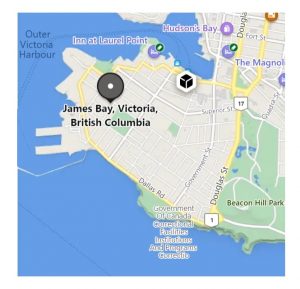
Capital Park is a $250-million, master-planned community located in the surging rental market of Victoria, BC. Breathing new life into the large city block that links James Bay with the downtown core, the land was acquired by Concert Properties and Jawl Properties in 2014, with construction completed in March 2022. Once home to cement parking lots and aging provincial office buildings, Capital Park has transformed the neighbourhood into a thriving, vibrant destination complete with commercial space, retail, condominium and rental residences.

“Leasing efforts for our rental residences have been minimal given the enormous demand for modern, well-appointed rental housing in the area,” said Kerri Jackson, Senior Vice President, Property Management. “This is likely also due to the low vacancy rates, which have remained around 1 per cent in Victoria over the last few years.”

Unlike the vacancy spikes seen in Vancouver and Toronto during the pandemic, few doors opened for would-be renters in Victoria. In fact, according to a recent report from Colliers, the Greater Victoria purpose-built rental market had a record-breaking year in 2021—the result of high demand, stable returns, and low interest rates that have since gone by the wayside. For its part, Capital Park has brought 66 new rental homes to the undersupplied region, which were snapped up quickly. Described as “modern homes in a historic community,” the spacious suites are equipped with wood grain laminate cabinetry, quartz countertops, wood-patterned plank flooring and porcelain tile bathrooms, and come in a range of layouts.

“The vision for Capital Park was realized as planned, with the community seamlessly blending into, and enhancing the neighbourhood,” Jackson said. “Since COVID, we’ve been seeing that residents are more willing to communicate remotely, with fewer in-person meetings. However, there has not been any diminishment of Concert’s customer service. We’re also seeing more residents working from home full time. At Capital Park Residences, there’s a working lounge on the main floor, and upstairs there’s a beautiful lounge with an expansive roof deck where residents can work and socialize. Some of our newer developments planned since COVID have generous working spaces within community lounges, as well as dedicated workspaces.”
Meanwhile, Environmental & Social Governance has emerged as a top priority for the building sector—something Concert Properties has been proudly committed to since before it became a buzz term. According to the company’s sustainability mission, “We design, construct, and manage buildings that foster resilient and inclusive communities where residents can live healthy lives full of meaning. We work to lower greenhouse gas emissions, reduce waste, and lower our environmental impact while increasing the value of our portfolio now, and in the future.”

Garden City

Well-deserving of its nickname “Garden City”, Victoria is located on the southern tip of Vancouver Island where mild winter temperatures, colonial British heritage, and expansive green space all add to the city’s international allure and projected growth. Victoria is the 15th largest city in Canada with a total population of 383,360, and roughly 86,000 in the urban core. Colliers reported there were 3,535 apartment units under construction there in Q1 2022, with projects in the urban core and the West Shore dominating the overall pipeline.

At Capital Park, the community was designed to complement its surroundings. Located just steps from the Inner Harbour and close to the Legislative buildings, a key feature of the property is an integrated network of plazas, courtyards and landscaped pathways designed to maximize and encourage foot traffic. Extensive amenities and varied retail options such as the Victoria Public Library branch, Red Barn Market, and Good Earth Coffeehouse have increased the area’s appeal, making it a vibrant destination for locals and tourists alike.

“With offices serving government and easy access to several amenities, there is a real connectedness and integration with the local community,” Jackson said. “Careful consideration was given to maintaining the neighbourhood’s original character—for instance, three heritage homes were fully restored and renovated as 13 residential suites, and the landscaping features are beautiful with a large amount of green space to soften the impact of the commercial aspects of the property.”

Designed in partnership with local developer Jawl Properties, Jackson calls Capital Park a great example of a successful master-planned community, and one that wouldn’t have been possible without the support of the City of Victoria. Currently Concert has ten master-planned communities in various phases of development across Canada and sees collaboration as central to success.

Find out more about Capital Park Residences at: www.concertproperties.com


How to prepare your facility for fall pests

Although pests present a potential problem all year long, changing seasons often bring changes in pest populations. To best protect your business and your facilities throughout the year, it is important to know how changes in weather will affect these unwanted guests’ habits. As temperatures drop, buildings are vulnerable to fall pests looking for food and shelter from the outdoor elements.

Here are some of the common critters wanting to use your establishment as a fall getaway and tips on how to avoid them.

Ants

Famous for ruining summer picnics, these irritants can also be quite the nuisance during fall. They attempt to escape the cooler temperatures outside and find warmth, comfort, and food inside your facility, making it the perfect hideout. Once a scout ant finds food, it leaves a scented trail for other ants to follow. With dwindling food sources outside at the onset of fall, the indoors is the perfect spot for foraging. Also, though ants are more known to be extremely annoying insects, their presence can contaminate the likes of food, beverages, and dining areas.

Quick tip: Do not leave food lying out! Make sure to clean up crumbs and debris immediately. Wipe clean surfaces and make sure trash bins and garbage cans are sealed tightly and cleaned regularly, including recycling bins. These receptacles attract ants due to sugary drinks in bottles or cans, so be sure to recycle promptly and rinse the bottom to eliminate drained sugary drinks. Also, seal any cracks and crevices that ants could use to enter indoors.

Spiders

Although you only just recently noticed a spider or two, the truth is they have been there all along, growing during the summer to full adult size. In general, spiders enter your building for the same reasons as other pests; they are looking for warmth, water, and food. But, a specific threat of spiders is that they may often follow other pests inside to eat them.

Quick tip: Spiders tend to be more common in areas that have dense vegetation around the premises. Proper landscape management during the summer months with less overgrown vegetation and flowerbeds will cut down the number of spiders around the building, which means fewer will make their way indoors. Also, exterior lighting is important as bright lights draw other insects, which in turn attracts spiders. If possible, use sodium vapour lights, yellow lights, or sensor lights.

Cockroaches

Especially German cockroaches, these pests love warm, damp places to live and breed. Even though they may not be as visible as the temperatures drop, it is imperative to remain vigilant during the fall – a few roaches can turn into thousand in just a few months.

Quick tip: Maintain proper cleaning protocols to reduce any food or water sources. Also, inspect your building quarterly to seal any cracks and holes. Sanitation and habitat reduction are key to preventing cockroach infestations.

Stink bugs

These unpleasant-smelling insects begin searching for a warm place to live as soon as the temperatures begin to drop. Delivering an odour when disturbed or threatened, they become a nuisance when they are active during the fall and winter months due to indoor heating or warm sunny fall days.

Quick tip: The best way to deter stink bugs from entering your facility is to seal potential entry points such as cracks and crevices in exterior walls and the building’s foundation. Fix or replace unscreened vents or worn-out window screens. As a preventive measure, an exterior perimeter treatment around the building can create an exterior barrier of protection that will repel and prevent indoor entry.

Asian lady beetles

Searching for shelter during the cooler months, these pests emit a foul-smelling yellow liquid when they feel threatened, occasionally staining walls and furniture. The beetle’s secretion can also cause allergic reactions in employees and customers.

Quick tip: Inspect your doors, windows, chimneys, pipes, vents, and utility wires for any activity. Be sure to seal potential entry points such as cracks, crevices, and screens.

Non-insect fall pests

Birds

Not all birds migrate south to avoid colder weather. Pest birds such as pigeons, house sparrows, and resident starlings are non-migratory so they will be present during the fall months. They roost in high ledges, bridges, and ornamental alcoves and when the cooler temperatures arrive, they search for refuge from the elements inside the sheltered areas of your building.

Quick tip: Do a full building inspection, and check for obvious entry points or areas that may be easily accessible to birds to perch or nest. Clean and disinfect regularly to reduce opportunities for birds to spread disease. There are also various non-chemical strategies that can be used for bird exclusion such as repellants, where they are blocked out or discouraged from roosting or nesting.

Rodents

When cold weather hits, rats and mice seek warm places to take refuge as well as breed. Entering through small holes and cracks, rodents can quickly reach infestation levels. Rodents are looking for food when they enter your building, so cleaning and sanitation practices are essential.

Quick tip: Check for both obvious and less noticeable points of entry around your business, such as droppings, burrows, runways, and sightings and put down traps to catch any rodents trying to sneak in. Also, seal any openings, gaps, and cracks that will allow them inside. Just because you have not seen them does not mean they are not there.

Some extra pointers

With cooler temperatures on the horizon, preparation against fall pests is your best defence. Here are a few more proactive tips to help keep your facility or property rodent-and pest-free this fall:

  1. Inspect your shipments: Thoroughly check shipments you receive for any pests or damage that could indicate they may be hiding in boxes or pallets.
  2. Double-check your product: While doing inventory, make sure containers and bags are sealed and used on a first-in, first-out basis. Focus on old or overstayed products that might have been overlooked. Ensure all products and produce are stored off the floor on shelves with adequate inspection spaces.
  3. Survey areas where water may be present: Do a complete and thorough inspection of all drain areas and moisture-prone spots.
  4. Maintain trash areas: Keep dumpster, trash, and recycling bin areas emptied and cleaned regularly.
  5. Check entry points: Make sure to check entry points into your facility, such as receiving doors, front and back entrances, to-go doors and patio doors. Also, look for cracks or holes in the foundation, near windows, or around piping leading into the building. Inspect door and window screens to ensure they are not torn or worn out and they have seals.

While prevention is key, if you think you have a pest problem or infestation, do not hesitate to contact a pest professional to assess your situation and recommend the best treatment plan for your business; the difference of only a few days can greatly impact any potential pest population on your premises.

Alice Sinia, Ph.D. is Quality Assurance Manager of Regulatory/Lab Services for Orkin Canada, focusing on government regulations pertaining to the pest control industry. For more information, email Alice Sinia at [email protected] or visit orkincanada.ca.

Calgary calls for 8 Street SW design proposals

City of Calgary is seeking proposals until September from design firms to reimagine 8 Street SW, between 17 Avenue SW and the Bow River.

The city cites the corridor is a vital place that will be central to the re-invention of the western part of our downtown that has been the hardest hit by office vacancies. It is also an important connector between the Beltline and the Bow River pathway system.

The vision  for 8 Street SW is to create a pedestrian-focused destination area connecting “people, parks and neighbourhoods, supported by vibrant retail experiences, and a variety of transportation modes. This investment will support private investment along the street and create a high-quality north-south pedestrian route from 17 Avenue SW to the river.

“It’s time to rethink 8 Street SW. Calgary’s Greater Downtown Plan identified it as an important downtown street to transform into a complete street with accessibility for all modes of transportation and as a linchpin of the city’s goal to create a green network of tree-lined, pedestrian-friendly streets connecting downtown’s diverse neighbourhoods and inventory of parks, outdoor spaces and pathways,” said City of Calgary director of downtown strategy Thom Mahler.

The improvement project is part of the city’s 8 Street Corridor Public Realm Master Plan, which was completed in 2016 and includes reconstruction of the 8 Street underpass. Calgary’s Greater Downtown Plan, which was approved in 2021, also identifies public realm improvements for 8 Street SW as a priority.

“A lot has changed since the 8 Street Corridor Public Realm Master Plan was developed, with the westside of Calgary’s downtown changing significantly since 2016. We’re excited to launch this project to help shape the future of downtown and support community vibrancy in this important downtown neighbourhood,” said Shannon Reid, project manager for the 8 Street SW Public Realm Improvement Project.

The objective of the 8 Street SW project is to execute the planning, design, and implementation of the remaining public realm improvements identified in the 8 Street Corridor Public Realm Master Plan – including the redevelopment of the streetscape and adjoining riverfront park.

The RFP can be viewed here.

TD Centre largest to achieve WELL certification

The TD Centre, at 4.3 million square feet, has become the largest office complex in Canada to attain WELL certification.

Located in downtown Toronto, five TD Centre towers have achieved WELL Core Certification at Gold level under WELL v2, with the sixth tower, currently under revitalization, receiving WELL Precertification under WELL v2.

“For over 50 years, TD Centre has been an influential gathering place for some of the world’s leading corporations and thousands of their employees,” said Landry Biles, general manager, Toronto-Dominion Centre. “The WELL Core Gold accomplishment is an important reflection of our ongoing efforts to create a vibrant, welcoming, safe and healthy environment across our entire portfolio, and as the largest office complex to achieve this status, we’re proud to champion the importance of health and wellness.”

Cadillac Fairview’s company-wide WELL journey extends across its asset class and includes 29 WELL Health-Safety Ratings across its Canadian office portfolio. Over the past seven years, TD Centre has committed to occupant well-being and is the first office building in North America to achieve WELL v1 Core & Shell Certification at Gold level for its 222 Bay Street location.

CF is also an International WELL Building Institute (IWBI) member company at the cornerstone level, joining a network of leading organizations working together to advance the movement for better buildings globally.

“Cadillac Fairview has been an early adopter of WELL Building Standard and this achievement marks a milestone for Cadillac Fairview becoming the largest portfolio in Canada to achieve WELL Certification,” said Olesy Alekseev, vice president and Canada lead at the IWBI. “This shows tremendous commitment and leadership to the global healthy building movement, scaling health and well-being impact across its real estate portfolio.

“The achievement is not only a testament to how our places play a critical role in protecting the health and safety of everyone, but is also set to inspire other organizations to join the effort in welcoming Canadians back to the office environment.”

Emissions reduction agenda up for discussion

A newly released discussion paper sets out a proposed emissions reduction agenda for cutting about 38 megatonnes (Mt) of greenhouse gas (GHG) output from Canada’s building inventory within the next eight years. Buildings sector insiders and the general public are invited to submit comments by Sept. 16, which will be considered in refining the Canada Green Buildings Strategy promised for the spring of 2023.

Earlier this year, the Canadian government earmarked $150 million for the strategy to support deep retrofits and the phase-out of fossil-fuel space and water heating in existing building stock, while encouraging net-zero emissions performance in new construction. The initiative aligns with national targets to reduce GHG emissions by 40 to 45 per cent below 2005 levels by 2030 as a step toward net-zero emissions by 2050.

“Canada’s Green Building Strategy will help grow our economy and achieve our ambitious climate objectives,” asserts Jonathan Wilkinson, Canada’s Minister of Natural Resources. “I look forward to hearing from Canadians on the path forward.”

To meet the 2050 net-zero goal, it’s projected that 3 to 5 per cent of existing buildings will need to undergo deep retrofits annually beginning no later than 2025 and all new construction will need to be net-zero-carbon-ready by no later than 2032. The strategy is to be premised on attracting private capital investment, promoting affordability, complementing the GHG-reducing efforts of other economic sectors, reflecting equity, diversity and inclusion and enabling Indigenous climate leadership.

The discussion paper identifies six broad components of the strategy, each with a series of suggested measures, to steer development and investment decisions, promote innovation and expand workforce expertise. That includes plans to: revise or introduce new regulations; fund research and training; augment retrofit financing; and decarbonize the government’s own real estate portfolio.

“Given the scope and scale of the challenge, the Canada Green Buildings Strategy is needed to mobilize commitment from all parts of the sector — public and private — to strategically deploy investment toward the market transformation and the cost compression needed to rapidly and cost-effectively transform the built environment,” the discussion paper states. “To achieve net-zero emissions from Canada’s building sector, we need to take a market transformation perspective and that means working across jurisdictions to set a high bar and prepare the market to meet it.”

Some of the suggested priorities include: accelerated adoption of building codes and standards to impose energy efficiency and climate resilience performance requirements; incentives and/or regulatory mandates for the electrification of space and water heating; widespread rollout of energy benchmarking, labelling and disclosure; mortgage financing that reflects climate risk; incorporation of life-cycle carbon into building performance metrics; training for the green building workforce; and consistent collection and comparability of data.

Solid job growth for mechanical contractors in Ottawa

An influx of new commercial and institutional projects across the Ottawa-Gatineau region has brought increased work for unionized mechanical contractors and job opportunities for skilled and certified steam fitters, plumbers, pipe fitters, pipe welders and apprentices.

The Mechanical Contractors Association of Ottawa (MCA Ottawa) and United Association Local 71 (UA Local 71) recorded a 75 per cent jump in working hours in the last decade, at 1.3 million in 2021 compared to 740,000 hours in 2011.

More than 1.2 million square feet of new non-residential public permits were reported in 2020. According to BuildForce Canada, 11,330 new workers will be needed to replace retiring workers in the next decade.

“There are more cranes on Ottawa’s skyline than ever before. The construction industry is booming,” says MCA Ottawa President Serge Robert. “We are anticipating this momentum to continue with a variety of projects coming down the pipeline, including the redevelopment of the parliamentary precinct, Ādisōke Central Library, the new Ottawa hospital, and a new arena for the Ottawa Senators.”

Recent negotiations resulted in a 13 per cent salary increase for unionized plumbers, pipe fitters, steamfitters, and welders. The agreement lays out the working conditions and rates of pay from now until 2025, with no disruption to achieve the increase. The package includes wages, benefits, pension and access to skills and safety training.

“There is no better time to be a unionized plumber, steamfitter, welder or apprentice in the United Association,” says Angus Maisonneuve, business manager, UA Local 71. “Our members have secured a significant pay increase for at least the next three years and will contribute to a strong pipeline of institutional, commercial, and Industrial projects for the next ten years. With unemployment at records low, and no one left on the sidelines, we are eager to bring on more skilled and talented trade people to help us contribute to the future of Ottawa.”

The steady increase in hours can be attributed to projects across the entire institutional, commercial, and industrial sectors, ranging from seniors’ homes and schools to medical offices and mixed-use projects. Notable projects underway include LRT stations, regional water treatment plants, new schools and parliamentary projects.

BC rent bank assistance leads to housing stability for majority

The latest BC Rent Bank Housing Survey shows that housing stability was either maintained or improved for the vast majority who relied on assistance through a rent bank in 2021. Rent banks are a homelessness-prevention tool that offer interest-free loans, and in some cases grants, to B.C. renters at temporary risk of eviction or essential-utility disconnection. Funds can be applied toward rent, payment in arrears, utilities, a security deposit or a combination of the above.

BC Rent Bank surveyed every household that received financial assistance from a rent bank between April 1 and June 30, 2021, and found that 94 per cent were able to maintain or improve their housing situation as a result of this assistance.

“Rent banks were successful in supporting renters to maintain their housing during times of short-term crisis,” said Melissa Giles, project lead, BC Rent Bank. “Thanks to initiatives like this, 94 per cent of survey respondents indicated they had maintained or improved their housing situation.”

While 67 per cent said they had moved to “better housing”, nearly all respondents (91%) credited their continued housing stability to rent bank assistance. Meanwhile, 61 per cent said they would have faced homelessness had they not received this service. Many respondents said that their increased housing stability allowed them to maintain custody of their children, engage in recovery from addictions, and resume employment.

According to Canada Mortgage and Housing Corporation, preventing an eviction saves a tenant $2,932 and a landlord $8,663. BC Rent Bank is a project of Vancity Community Foundation and is supported by a $10-million investment from the Province.

Find out more at: https://bcrentbank.ca


Victoria new buildings to be zero carbon by 2025

Victoria will require all new construction to be zero carbon by 2025, part of its accelerated climate action plan to achieve an 80 per cent reduction in community greenhouse gas emissions by 2050.

This new requirement will take effect following the introduction of BC Building Code carbon pollution standards later this year. By July 2025, all new buildings in the city will be required to meet a zero carbon standard. This adoption will be about five years ahead of the expected provincial requirements and is necessary for Victoria to meet the 2030 goals in its Climate Leadership Plan.

These requirements will largely eliminate greenhouse gas emissions from new buildings, accounting for up to 7 per cent of total community emissions reductions needed by 2050.

Victoria is one of the first municipalities in British Columbia to make all new construction zero carbon polluting and accelerate the transition away from fossil fuels for water and space heating.

The new requirements and phase-in schedule was developed following engagement with the local building industry, co-led by the City of Victoria, the District of Saanich and the District of Central Saanich with support from the CRD. The engagement focused on how best to reduce greenhouse gas emissions from new construction through the BC Energy Step Code and the forthcoming carbon pollution standards.

The new provincial carbon pollution standards give municipalities more effective tools to reduce greenhouse gas emissions from new construction, in addition to the BC Energy Step Code. Buildings are one of four priority areas the city is working with the community to drive down emissions and build a prosperous, low carbon future. The other sectors are mobility, waste and municipal operations.

Victoria declared a climate emergency in March 2019 and has a plan to reduce greenhouse gas emissions by 80 per cent and transition to 100 per cent renewable energy by 2050.

Inflation causing Canadians to falter on housing payments

Inflation is causing more than 1.3 million Canadians to fall behind on housing payments. There’s a prevalence among renters (9 per cent) versus mortgage holders (6 per cent), as revealed in the recent Impact of Inflation report from personal finance comparison site Finder.

Consumer price index figures for July show persistently high inflation of 7.6 per cent. The report found seven million people in Canada are generally sinking into debt because, on top of housing, they’re also trying to pay for essentials like food and gas. Many are taking out loans to do so, while others have lost jobs or are consolidating existing debt.

Middle-income earners are taking out debt to cover costs at 30 per cent, nearly three times as much as the highest income earners.

“Middle-income earners are really struggling,” says Romana King, senior finance editor at Finder. “Data shows that wages are not keeping pace with higher living costs and this puts middle-income earners—the bulk of Canadians—in a tough position. It forces many to start prioritizing their expenses and finding ways to make ends meet.”

Gen X is most at risk for falling behind on rent or mortgage payments at seven per cent compared to the national average of four per cent. More than a quarter of both Gen Z and millennials are also taking on debt to pay for increased living costs. Baby boomers report being less impacted by inflation this year, but 66 per cent were still actively cutting back on all spending—the highest of any generation surveyed.

While there is little difference between men and women when it comes to using debt, 63 per cent of women said they are cutting back on personal extras, like clothing or entertainment, in order to combat the rise in their monthly expenditures. Only 53 per cent of men chose to take the same actions.

“It’s easy to feel overwhelmed when the cost of living starts to increase,” explains King. “The good news is most of us have the option to control how much inflation will impact our budget. To take control, start by creating or reviewing your budget. Then cut any unnecessary expenses. Studies show this simple act helps most of us cut about 15 per cent off our current expenses.”

To see the full Impact of Inflation report, learn more about who could lose their homes, along with more demographic statistics and insights (gender, income, age and region) visit; https://www.finder.com/ca/consumer-debt-report.

Photo by Ketut Subiyanto.

Chartwell set to sell two long-term care homes in B.C.

Chartwell Retirement Residences announced it has entered into agreements to sell two long-term care facilities in BC to AgeCare Health Services Inc. and Axium Infrastructure Inc. The combined value of this transaction before closing costs and customary adjustments is $112 million, with net proceeds to Chartwell estimated at $56.8 million.

“Chartwell’s experienced and dedicated long term care team at these homes has a long and successful history of delivering quality care to our residents” said Vlad Volodarski, Chartwell’s Chief Executive Officer. “Substantial growth in our retirement portfolio over the years and our recently announced transition of the Ontario LTC platform has led us to the decision to sell these LTC residences in British Columbia. It was critical that these properties be sold to a strong and reputable organization which holds similar values to Chartwell to ensure a smooth transition for our residents and employees. Our experience working with AgeCare and Axium as the transition of our Ontario LTC platform furthers strengthened my confidence that they are exactly the right partners to continue the legacy of Chartwell’s long term care operations at these homes. We are committed to work closely with AgeCare, Axium, and all our stakeholders to ensure a smooth and successful transition.”

Subject to required approvals, Chartwell expects this transaction to close in 2022 and says the net proceeds will be used to repay credit facilities.

Axium Infrastructure is an independent portfolio management firm with approximately $9.4 billion in assets under management, as well as $1.7 billion in co-investments.

AgeCare, founded in 1998 by two physicians, is dedicated to providing seniors housing options based on a “living in place” philosophy. AgeCare currently operates 22 seniors long-term care and supported Living communities in Alberta and British Columbia.

For more info on this traansactions, visit: www.chartwell.com

5 ways to create cleaner environments in schools

Funding is often the biggest obstacle in the way of schools when it comes to enhancing the learning environment beyond the basics.

In the U.S., the Elementary and Secondary School Emergency Relief (ESSER) fund is providing a significant influx of resources for schools across the nation. However, an interesting problem revealed itself as schools find themselves struggling to decide how to spend the largely unexpected funds.

The relief package, which provided nearly $190.5 billion to the ESSER Fund through three separate stimulus bills, is incredibly helpful and impactful in addressing the impact that COVID-19 has on schools across the U.S. For many schools, which are historically underfunded and lack resources, this money gives them the opportunity to make facility updates that have been needed for years.

And as the pandemic continues to burden schools for more than two years into the initial outbreak, many schools are choosing to allocate resources towards cleaning, disinfection, and other safety measures that will prevent the spread of disease and ensure there is a plan in place should a case occur at their school. The hope is that these measures will reduce the frequency of at-home learning, which is difficult for teachers and students alike.

The truth is in the numbers

Extensive research from organizations including the Environmental Protection Agency (EPA) revealed how a healthy school environment affects attendance, concentration, and overall education outcomes. Indoor air quality, the use of safe chemicals for cleaning and disinfection, and mould and mildew management are just a few facility maintenance categories that drastically impact students.

The CDC also revealed asthma to be one of the leading causes of school absenteeism, resulting in nearly 14 million missed school days annually. Proper facilities maintenance can reduce the number of irritants and allergens in the air that exacerbate asthma symptoms and trigger attacks.

Regular facilities maintenance is critical to preventing the spread of viruses like COVID-19 and ensuring safe and healthy environments on the whole.

To ensure schools are taking the best first step forward, and one that will be attainable for the long-haul, school operations should zero in on five key areas of focus: regular cleaning and disinfection, deep cleaning, periodic disinfection, long-lasting surface protection, and indoor air quality. By strategically budgeting for each of these categories, schools can minimize disruptions by ensuring all necessary measures are taken to prevent the spread of illness and restore a safe environment quickly if an outbreak does occur.

Regular cleaning and disinfection

How effective is your school’s current cleaning routine? Do you have regular disinfection practices in place to remove the germs that spread illness? Ensuring a routine is in place is important, but equally critical is the need to use tools and chemicals that are both safe and effective, especially in learning environments. The EPA provides a list of disinfectants, List N, which are proven to kill the virus that causes COVID-19.

Regular cleaning and disinfection keep students and staff safe from germs, dirt, and dust that cause adverse health effects. It includes removing dust, dirt, and germs from high-touch surfaces and high-traffic areas.

Deep cleaning

Deep cleaning should be completed periodically to address any areas that are difficult to clean while school is in session. Some of these services require wait periods in which the surfaces can’t be walked upon or would otherwise disrupt students and staff, which is why they should be completed over breaks. Deep cleaning usually includes carpet cleaning and extraction, strip and floor wax, high dusting, and tile scrubbing, among several other services.

These services help to maintain the school and prevent the buildup of dirt and grime. Hard-to-reach places like cafeteria rafters may go unnoticed on a day-to-day basis, but they can quickly acquire enough dust to become unsightly and pose a health risk. Deep cleans address every surface of the school and bring it back to life after a semester of heavy use.

RELATED: Creating a safe haven in clean schools

Periodic disinfection

If the Coronavirus outbreak taught schools anything, it’s that periodic disinfection isn’t something that should be taken lightly.

Periodic disinfection means having a plan in place and a service provider in the event of a COVID-19 or other virus outbreak at a school. High-quality providers have access to advanced technology, such as electrostatic sprayers, which are safe and effective for killing the germs that cause viruses. Periodic disinfection should be used as both a prevention strategy and as an emergency response.

Long-lasting surface protection

Even if those schools or districts prioritize frequently disinfecting high-touch areas, it’s impossible to ensure they are wiped down between each and every person touching them.

However, technology now exists to protect surfaces for longer periods of time. Products like Continuous Care use cutting-edge technology to disinfect and create a long-lasting antimicrobial coating and surface protectant that is applied after cleaning is complete. The disinfectant and antimicrobial coating used with Continuous Care is an EPA List N approved disinfectant, confirmed to be effective in killing SARS-CoV-2. Applying it with an electrostatic sprayer provides 360-degree coverage, killing viruses and inhibiting the growth of bacteria and microorganisms.

Indoor air quality

Ventilation is vital to maintain the ongoing health and well-being of everyone at a school. For school leaders, it’s important to consider Ventilation Mitigation strategies as part of the disinfection process. Indoor Air Quality (IAQ) monitoring devices report on the levels of common pollutants and other air conditions in real-time. They also help reduce costs by identifying areas of overspending on heat and air conditioning and improve employee happiness by increasing air quality. Portable air cleaners can help reduce airborne contaminants, including particles containing viruses. They may be particularly helpful when additional ventilation with outdoor air is not possible without compromising indoor comfort (temperature or humidity), or when outdoor air pollution is high.

That said, an air filter is not nearly enough by itself to fully protect people from COVID-19 and other viruses. The CDC recommends HEPA fan/filtration systems be used only to enhance air cleaning, especially in high-risk areas. Dry Hydrogen Peroxide (DHP) systems turn humidity from the air into hydrogen peroxide that can safely and effectively reduce microbes in the air. In addition to being safe for human exposure, it is used in occupied settings and provides an effective no-touch addition to a manual cleaning process, which assists with ongoing decontamination in high-traffic areas.

Making the most of every dollar

At a time when every dollar spent is scrutinized, it is more important than ever to ensure discussions about cleanliness and disinfection are part of a larger operational conversation. Getting leadership’s buy-in will be critical to not just launching a sound program but maintaining it for years to come.

Start by creating a committee of advocates whose expertise and vision from diverse areas of the school can strengthen your cleanliness and disinfection plan. Bringing different points of view to the table, they’ll likely bring up questions that are otherwise not considered. Next, create a realistic budget. Leveraging the strength of a national facility management provider helps build a framework for a right-sized budget. They also help identify priorities by building out “must-haves” and “nice-to-haves” based on individual needs.

Become well-versed in what your cleaning plan currently looks like and put a critical lens on what may be missing. Ask industry experts about often overlooked areas, and also off-limits areas, deep cleaning and disinfection frequency, the need for air filter changes and general guidelines on best practices in terms of regularity and effectiveness.

Faculty, staff, and students play a critical role in a facilities management program. Take the opportunity to educate them about new cleaning and disinfection practices, and empower them to have skin in the game by taking on tasks to help create a safe place to learn.

From ongoing day-to-day cleaning, disinfection, and indoor air quality checks to specialized solutions, it’s essential to have a commercial cleaning provider that understands the unique needs of schools and aligns with each school’s needs. Not only are health and wellness philosophies invaluable, but they are also key to executing a well-thought-out plan while making the most of the precious funding that has been made available to create a foundation for lasting change in a school’s facilities management plan.

Edward Pim is Senior Vice President of Operations & Experience of OpenWorks, a national leader in facilities management. OpenWorks’ facilities maintenance services include cleaning and disinfecting, landscaping, supply replenishment, HVAC service, and more.