





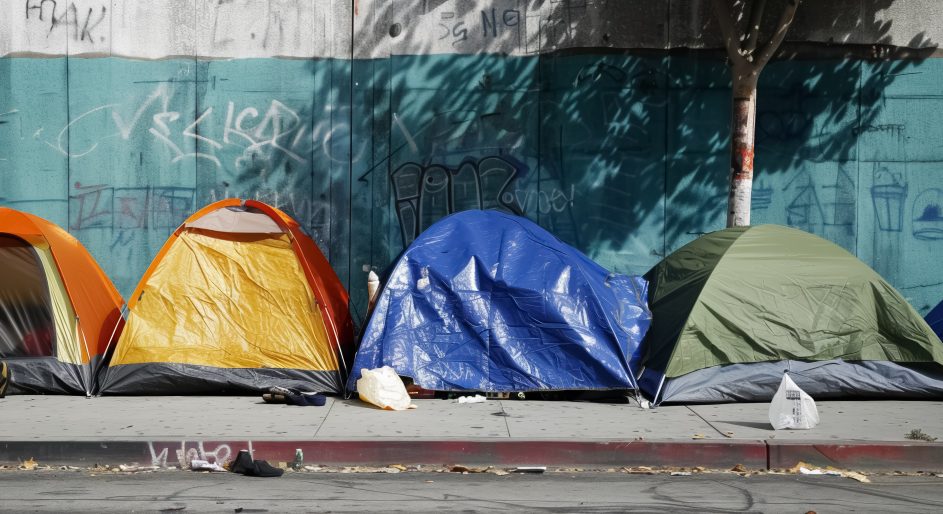
The City of Barrie has declared a state of emergency in response to a worsening crisis of homelessness, public safety concerns, and unaffordable housing. Mayor Alex Nuttall made the announcement on September 9, citing a surge in encampments and related incidents of violence, drug use, and environmental degradation.
“This is about reclaiming our streets, our parks, and our sense of safety,” said Nuttall. “Barrie residents have had enough. If you refuse help, you cannot stay in these encampments.”
The emergency declaration enables city staff to prioritize dismantling high-risk encampments and coordinate with Simcoe County and provincial agencies to offer shelter and support. However, the lack of affordable housing remains a major obstacle.
According to the 2024 Simcoe County Homelessness Enumeration, 1,080 individuals were experiencing homelessness on the night of October 8, 2024. Of these, 70 per cent were in sheltered environments, while 30 per cent were unsheltered—a significant increase from previous years. In Barrie specifically, 219 people were counted as homeless in 2022, with 62 per cent experiencing chronic homelessness.
The crisis is compounded by rising rental costs. As of 2023, the average rent for a one-bedroom apartment in Barrie was $1,430, while a two-bedroom averaged $1,612. Vacancy rates remain low, hovering around 2.8 per cent for one-bedroom units.
Simcoe County has made strides in affordable housing, creating 3,692 new units since 2014, including 220 mixed-income units approved in Barrie in 2024. Yet, officials acknowledge that demand far exceeds supply.
The emergency order follows troubling incidents, including a double homicide at an encampment and widespread drug use. Cleanup efforts at sites like Dyment’s Creek are expected to cost millions.
While the declaration aims to restore public order, advocates stress the need for compassion and legal safeguards. Ontario courts have ruled that evictions without adequate shelter options may violate Charter rights.
Barrie now faces the dual challenge of addressing immediate safety concerns while investing in long-term housing solutions and mental health support to prevent further displacement.