




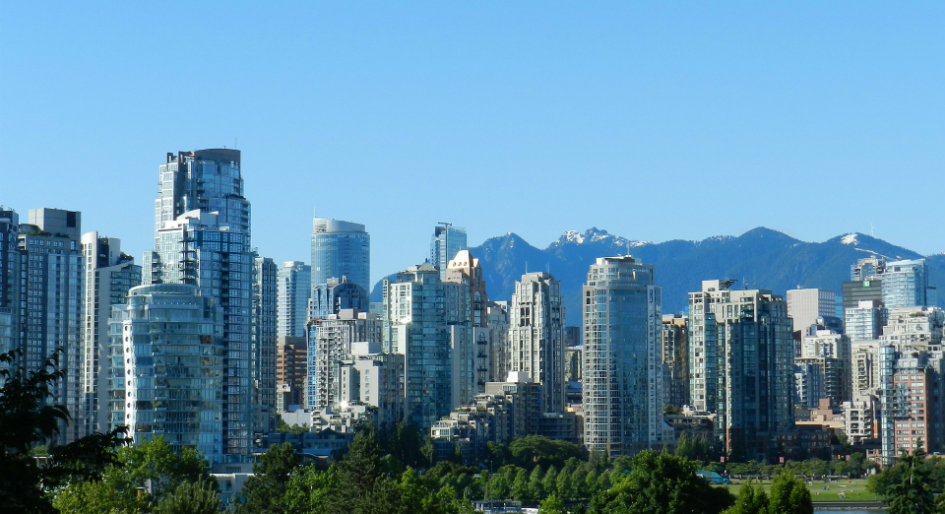
The Vancouver Tall Challenge: Building Higher Downtown invites architects, designers, planners, and creative thinkers from around the world to explore the future of tall buildings in one of the world’s most celebrated urban environments.
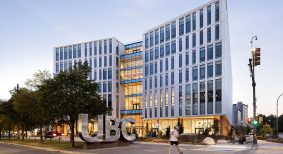
Organized by Buildner in collaboration with the City of Vancouver and the University of British Columbia’s School of Architecture and Landscape Architecture (SALA), the competition asks participants to imagine innovative approaches to height, density, sustainability, public space, and urban life within Vancouver’s evolving downtown core.
The competition forms part of the City of Vancouver’s ongoing Higher Buildings Policy Review, which is exploring the future role of tall buildings in shaping downtown growth, public life, and urban identity. Through the competition, the international design community is invited to contribute ideas that can help inform this broader conversation.
As population growth, housing demand, economic development, and investment in public transit continue to reshape cities globally, questions surrounding height and density have become increasingly important. While taller buildings can help accommodate growth and create new opportunities for public benefit, they also raise important considerations about urban identity, environmental performance, public space, and the everyday experience of city life. Vancouver is now exploring how building higher can strengthen the qualities that make the city exceptional.
Participants are challenged to explore how architecture can contribute to a more vibrant, sustainable, inclusive, and resilient city while helping define what a truly made-for-Vancouver approach to building higher could look like.
Proposals may include one or multiple towers and should demonstrate a thoughtful relationship between height, density, open space, creative uses, and the pedestrian experience. Participants should consider how tower placement, spacing, and massing contribute not only to skyline composition, but also to sunlight access, wind conditions, livability, and relationships with neighbouring buildings.
The first prize winner will be awarded with $7,000, the second-prize winner will receive $4,000, the third-prize will receive $2,000. The student award and sustainability award winners will receive $1,000 each. There will also be honourable mentions.
The registration deadline is October 29, 2026. The winners will be announced in January, 2027.
