

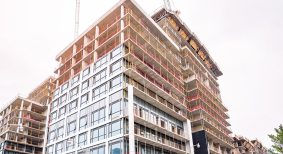




In the second quarter of 2025, Canada saw continued increases in building construction costs in both residential and non-residential sectors, according to Statistics Canada.
Residential building construction costs increased 1.0 per cent in the second quarter, following a 0.9 per cent increase in the previous quarter. Non-residential building construction costs rose 1.6 per cent in the second quarter, following a 1.0 per cent increase in the previous quarter.
These increases are fueled by factors like skilled labour shortages, rising wage rates, and the impact of tariffs on building materials.
The ongoing tariff dispute between Canada and the United States has increased volatility in both pricing and availability of certain materials.
Builders reported that uncertainty surrounding tariffs and tariff countermeasures continued to create challenges in securing contracts and has contributed to delays in project starts. At the same time, persistent skilled labour shortages continued to push labour rates higher in several regions across the country. As building activity remained modest in many regions of the country in the second quarter and project starts were delayed, competition for available work intensified in some areas, putting pressure on margins.
Price increases at the component level were partly influenced by rising construction material costs, including some affected by tariffs and associated countermeasures. However, subdued construction activity in major regions like Toronto and Vancouver offset upward pressure at the aggregate level.
The plumbing division saw the largest increase in costs, followed by HVAC, utilities, and structural steel framing.
The cost of plumbing materials increased by 3.7 per cent in Q2 2025, with HVAC supplies increasing in price by 3 per cent. Structural steel framing saw a 2.7 per cent increase.
Construction costs for residential buildings rose 4.2 per cent year-over-year, while non-residential building construction costs increased by 4.3 per cent.