




Condo living in Canada is changing as smart access control systems become a standard feature in many buildings. This move isn’t just about adopting new tech—it’s about making life more convenient, easier, safer, and more connected for residents, property managers, and condo boards
A New Way to Live in Condos
 Today’s condo residents, especially younger condo owners like millennials and Gen Z, want more than old-school keys or intercoms that require someone to be home. These systems are fast becoming outdated in a world where digital solutions are part of everyday life. People now expect seamless, tech-driven ways to manage access to their homes.
Companies like Salto are rolling out smart access solutions in urban hubs across Canada. These projects show how digital tools can handle both day-to-day needs and bigger community goals, like improving security and streamlining operations.
What This Means for Condo Management
Switching to smart access systems is a big decision for condo boards, and it’s about more than just replacing locks. Platforms like Salto’s Homelok allow managers to oversee access across the building while giving residents control over their own space.
This balance works well for both the practical needs of running a condo and the personal preferences of homeowners.From a financial perspective, smart access systems can save money over time. They cut down on costs like rekeying locks, reduce administrative work, and even make properties more appealing to buyers who value tech-friendly features. In competitive markets like Toronto, Vancouver, and Montreal, these upgrades help condos stand out.
A Better Experience for Residents
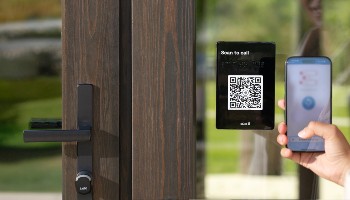
Smart access changes the way residents interact with their building, starting at the front door. Systems like Salto’s XS4 Com let people manage visitors from their phones, so they don’t need to be home for deliveries, guests, or service providers. This is especially handy in Canada, where harsh winters can make coordinating access tricky. Residents can send temporary codes for holiday visitors, maintenance crews, or delivery drivers without worrying about security risks.
This mobile-first approach fits with how people live today and opens up new ways to stay connected to the community. Residents can keep tabs on who’s coming and going, which boosts both personal security and a sense of shared responsibility.
Building for the Future
Smart access isn’t just about security—it’s a starting point for creating fully connected condo buildings. These systems can link up with things like elevator controls, booking systems for amenities, parking management, or even energy-saving tools.
Salto’s electronic locks, for example, work on all kinds of doors and are designed to handle the toughest weather conditions. They’re wireless and battery-powered, which makes them easy to install in older buildings or new developments. This flexibility ensures condos can keep up with tech trends without major overhauls.
Making the Transition Smooth
 Switching to smart access takes some planning to get right. Condo boards need to think about technical setup, resident privacy, budgets, and ongoing maintenance. The best rollouts start with clear communication, so everyone knows what the system can do and how it protects their data. Training for staff and residents is also key to blending new tech with the personal touch that makes condo living special.
Why This Matters in Today’s Market
The condo market is evolving as younger buyers and growing families look for homes that match their lifestyles. Features like smart access make buildings more attractive and help maintain property values, especially in busy cities where housing options are plentiful.
With more people working from home or juggling flexible schedules, smart access systems offer the adaptability residents need. They support everything from home-based businesses to last-minute delivery needs, making life more convenient.
Looking Ahead: Smart Planning for Condo Boards
Condo boards considering smart access should take a practical approach, weighing short-term benefits like easier management with long-term goals like building a connected community. A step-by-step rollout can help avoid disruptions while getting residents on board.
Financially, boards should plan for upfront costs and ongoing maintenance but also look into potential savings, like tax incentives or lower energy bills from integrated systems.
The future of condo living in Canada will hinge on blending technology with a community-focused approach. Smart access is a key piece of that puzzle, offering security, convenience, and efficiency that residents value while helping condo boards manage complex operations. Buildings that invest in these systems now will be ready to adapt to new tech down the road, keeping them competitive in a fast-changing housing market.