Articles Archive - Page 294 of 928 - REMINET
REMI

The germ hotspots to watch this travel season

Summer is almost upon us and with it comes an upswing in the amount of domestic and international travel as people jet off for their holidays. This year is expected to be particularly busy when it comes to travel, as the first open summer season in three years. That tourism, though, brings with it a cleaning and disinfection risk and there are a number of germ hotspots to watch out for.

Reckitt’s Lysol Pro Solutions recently highlighted for CleanLink the most contaminated surfaces to look out for on planes and in hotels, and there were a few that may potentially cause surprise.

The likes of door handles are usually cited as the biggest germ hotspots, but the analysis found there are a number of less-considered hidden dangers such as TV remotes, elevator buttons, luggage carts, and plane seatbelt buckles.

Lysol Pro Solutions’ team of scientists used ATP (adenosine triphosphate) analysis to measure contamination levels on surfaces in 10 planes, one airport, and 15 hotels across the U.S.

ATP analysis uses swab tests that provide a rapid measurement of germs on surfaces – in other words, how effectively they have been cleaned and disinfected.

The results found the following top three germiest hotspots in each environment:

Hotel rooms:

  1. Toilet handles
  2. TV remotes, doorknobs (tied)
  3. Desktops, fridge handles, nightstands (tied)

Hotel common areas:

  1. Elevator buttons
  2. Luggage cart handrails
  3. Bathroom doors, front desks, elevator handrails (tied)

Airport check-in lobby:

  1. Pin pad at check-in kiosks
  2. Check-in countertops
  3. Baggage office countertops

Plane seat area:

  1. Seatbelt buckles, window shade handles (tied)
  2. Tray table latch
  3. Overhead air vent dials

Lysol Pro Solutions notes in the CleanLink article that recognizing these germ hotspots should help cleaning companies, facility managers, and workers understand where to focus cleaning and disinfection measures and create targeted hygiene programs that helps provide protection.

Dr. Lisa Ackerley, director, Medical and Scientific Engagement, Hygiene, at Reckitt’s Lysol Pro Solutions, said: “In this era of heightened germ awareness, activities such as using public transport and staying in a hotel still concern many Americans.

“It’s critical that businesses in these sectors understand how germs spread in hotels and planes, and take the necessary steps to make people feel confident as they return to traveling this summer. This should include a combination of facility-led hygiene protocols that are targeted on the right hotspots at the right time, and equipping customers and staff with the products and education to help protect themselves and other travelers around them.”

Construction begins on Burnaby Hospital

Construction has begun on the redevelopment of Burnaby Hospital. The redevelopment is expected to cost more than $1.3 billion, making it among the province’s largest health-care investments.

The project will add two new patient-care towers with new units and operating rooms, resulting in 399 beds on the campus, a bigger emergency department and a new cancer treatment centre. The last major upgrade to the Burnaby Hospital was more than 40 years ago.

“Everybody deserves access to quality public health care that’s delivered close to where they live,” said Premier John Horgan. “That’s why our government is modernizing and expanding hospitals in rapidly growing areas of B.C., including right here in Burnaby. Once completed, the upgraded Burnaby Hospital will deliver better, faster care to more people in this community while creating thousands of good jobs during construction.”

The redevelopment begins with a new six-storey Keith and Betty Beedie Pavilion with 83 beds in primarily single-patient rooms with a private bathroom. The pavilion will include a maternity unit, a neonatal intensive care unit and a medical in-patient unit with negative pressure rooms and outbreak zones to isolate infectious diseases.

The facility will also have a mental-health and substance-use in-patient unit with a secured outdoor patio. Within this unit is a five-bed crisis stabilization unit that will provide short-term in-patient care, assessment and treatment for patients in crisis, at risk or in severe distress.

Another part of the modernization will include a new Jim Pattison Surgery Centre and renovations to the existing Support Facilities Building. This includes a bigger emergency department with an increase of treatment bays from 72 to 82, six new state-of-the-art operating rooms, additional pre-operative and post-operative recovery spaces, a new medical device reprocessing department and improvements to a number of other departments.

The six-storey pavilion, the new surgery centre and renovations to existing buildings are scheduled to be complete in 2026. Construction on Phase 2 of the redevelopment, which includes building the second patient-care tower with 160 beds and a new cancer treatment centre, is expected to begin in 2025.

EllisDon Infrastructure was awarded the contract to undertake phase one of the Burnaby Hospital redevelopment.

What the right-to-disconnect policy means for condo corporations

On April 11, 2022, Ontario’s new Working for Workers Act, 2021 received royal assent, which introduced many employee-friendly changes to the Employment Standards Act, 2000. The Minister of Labour declared that the changes would “require most workplaces to have a right to disconnect policy.”

The government’s boastful statements could understandably make an employer—and condo directors, owners and residents—worry that their employees or service providers, including management, were about to become completely unreachable outside their scheduled work hours.

Well, not quite.

Right to a disconnection policy, but no right to disconnect

The new rules don’t actually give employees a right to disconnect. In fact, they don’t give employees any new rights to refuse work or ignore work communications. Instead, the new rules require some employers to simply have “a written policy in place for all employees with respect to disconnecting from work.”

Employers are essentially free to determine the content of their disconnection policies for themselves. The only requirements are that the policy must:

(i) address disconnecting from work;

(ii) include the date the policy was prepared; and

(iii) include the date any changes were made to the policy.

The new rules tell us that disconnecting from work means “not engaging in work-related communications, including emails, telephone calls, video calls or the sending or reviewing of other messages, so as to be free from the performance of work.”

The Ministry of Labour suggests that a disconnection policy could address the employer’s expectations about reviewing and responding to after-hours emails or phone calls or for setting out-of-office notifications. However, the new rules don’t require that disconnection policies say anything in particular about disconnecting from work.

This means that a disconnection policy does not need to say that employees have an actual right to disconnect.

Instead, an employer can have a disconnection policy that is limited to explaining that the employer follows the relevant employment standards, such as those relating to hours of work, vacation, holidays, and overtime—all of which existed before the new rules came into effect. However, if an employer adopts a policy that does offer additional rights to its employees, the enhanced rights could be enforceable against the employer.

Disconnection policies not required for small employers

An employer is only required to have a disconnection policy in a given year if it employed 25 or more employees on January 1 of that year. The obligation doesn’t change during the year if the employer gains or loses employees; the January 1 date is all that matters.

Each employee counts towards the 25-employee threshold, whether employed full-time, part-time, or casually. However, employees of temporary help agencies who are assigned to a client business are treated as the agency’s employees, not as the client business’s employees.

Condo corporations themselves would rarely reach the 25-employee threshold, meaning they wouldn’t have an obligation to have a disconnection policy. However, many condo-related service providers, such as management and security service providers, will in many cases have 25 or more employees.

What’s the takeaway?

Although the new rules fall short of “requiring most workplaces have a right to disconnect policy,” they do serve as an important reminder to employers and condo corporations on certain issues.

For instance, the new rules are a reminder that sending and reviewing messages, whether by phone, email, or instant message, is a type of work. And although the new rules may not create any new rights for employees, they shine a spotlight on unpaid, off-the-clock work that many employees perform when they invariably respond to messages after hours.

Some email clients, such as Microsoft Outlook, now have features that suggest when emailing after-hours that your email message be scheduled to be sent during business hours; in condoland, however, this may be impractical as directors have a varying ability to respond to emails during the day.

Employers, particularly employers whose employees are paid by the hour, should review their practices and policies for tracking and recording hours of work to ensure that after-hours work is being properly tracked and paid.

Condo directors needn’t worry that their managers will all of a sudden become radio silent after their designated office hours. However, employers, and condo corporations that don’t have any employees, should take a hard introspective look at their own workplace culture when it comes to unwritten expectations for responding to inquiries (and, in particular, non-urgent communications) after hours. For some service providers, directors may consider requesting a copy of their service provider’s disconnection policy; this could assist in the condo corporation’s review of their own culture and, in some cases, the policy may be necessary to an assessment of excess charges paid to service providers for after-hours work.

While the new legislation may not create a right to disconnect, given the public attention the issue has received, many employees are likely to begin tracking their time and demanding payment for all off the clock work – or considering other opportunities where disconnecting from work is encouraged.

Josh is a condo lawyer at Lash Condo Law whose experience spans all things condo-related. He is actively involved in the condo industry and is a frequent speaker at industry conferences and seminars. As the past president of his condo corporation in downtown Toronto, Josh learned first-hand about being a director – and gained valuable insight into what directors want from their lawyers.




Tapping into the disability purchasing market

Canadians with disabilities make up the largest potential market of consumers, clients, employees and homeowners, with an annual buying power of $25 billion.

In North America, Boomers, who represent 84 million people, have $3 trillion in buying power; within this group, people over age 55 have at least one permanent disability, many of which are invisible to the eye.

Many value-seeking companies in the corporate real estate and design industry, however, largely ignore people with a disability and are not effectively responding to the opportunities within this materially new and significant market.

Canadian markets have not been given key data points or accurate demographic and economic data. Most Canadians envision people with disabilities as being significantly disabled in mechanized wheelchairs, not as the wealthy and well-educated 22 per cent of the population, which is the reality.

Experts in inclusive and accessible design have not effectively educated the marketplace about their expertise and how this adds value to all designs, builds, renovations and upgrade projects across the country.

The solutions are not to be found in provincial or federal laws and regulations. Nor are the solutions embedded in the low caliber building codes across Canada. Unqualified accessibility auditors, providing national accessible building awards, with no return on investment, will also not satisfy the systemic and strategic approach required.

Success resides among professionals working in the commercial real estate and design community, partnering with experts who can bring their scientific knowledge of ergonomics and human factors design to various projects—to create buildings for all humans, no matter the ability, age, size, gender, language or culture.

But the real estate industry rarely taps into this science. Canada currently lags behind its European, U.K., Irish, Australian and U.S. counterparts in ensuring building designs place human beings front and centre.

The Canadian population over age 52 is now proportionally higher as of 2018, at 35.5 per cent. This group cannot access offices, commercial towers, recreational and sports facilities, arts and entertainment venues and public spaces. In fact, a growing percentage can no longer access their own homes. The same goes for people with disabilities of all ages.

The science about human end-users must be applied at all phases of inclusive design, aging-in-place and LEED or other green projects. There is no need to cobble together building code standards or inclusive design guidelines; they already exist.

Incorporating human factors design into all projects, right from the start, will increase the value of this hidden, yet strong, disability purchasing market that extends to real estate, while allowing all Canadians to access every facet of the built environment, equally and inclusively.

Jane Sleeth is principal consultant with Optimal Performance Consultants Inc. Established as a national firm in 1990, Jane and her team of Ergonomic/Human Factors Design experts bring the science of the human end-user to all design, build, renovation and upgrade projects, working closely with commercial architects and commercial real estate companies and commercial real estate project managers. Jane and her team can be reached at [email protected]

Tech-savvy in the property management industry

Technology has touched all corners of the property management sector, but not all Prop-Tech is easy to spot. In the world of waste equipment cleaning, for example, there are tech-savvy tools and systems used behind the scenes to achieve quicker, cleaner, and higher quality results.

“We’re using technology as much as any other service provider but given the nature of our work and where we do it, our clients don’t always see that,” says Brian De Carli, Vice President with the MJW Team (a division of Metro Jet Wash Corporation).

How is tech upgrading the property cleaning process? We asked Brian for his insights.

How much technology goes into your work?

Metro Jet Wash

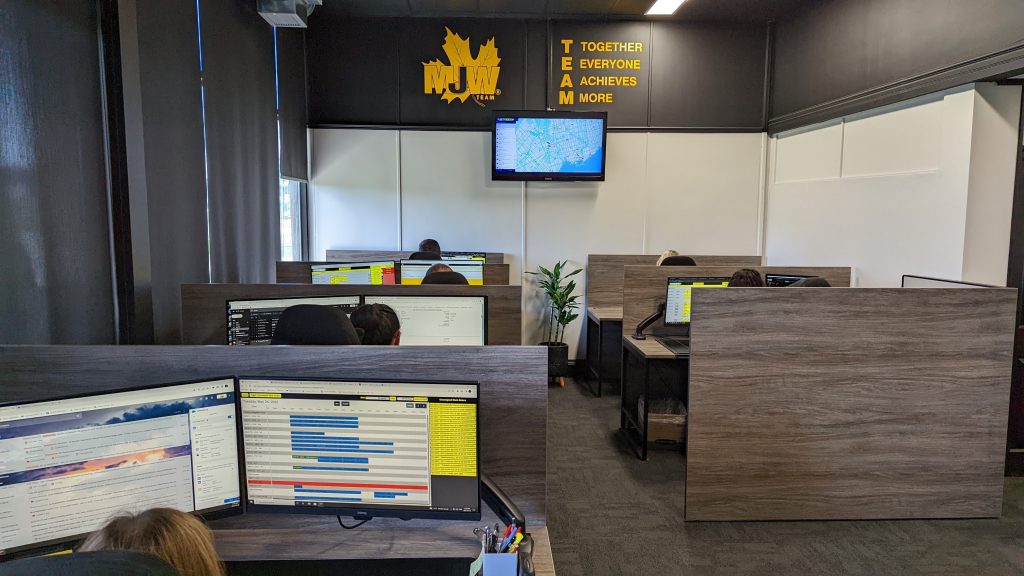
Over the years, we’ve used tech to completely transform how we work, both at our clients’ sites and at our head office in Etobicoke. Some of that tech is more obvious, like in the trucks we drive, the cleaning equipment we rely on, and the safety gear we use (such as CO2 detectors). Then, there are the systems we use to coordinate our services, like our integrated sales, dispatch, and human resources system that make our teams far more responsive and efficient.

How is technology enabling you to work safer?

Working safe relies on the ability to track and monitor what happens on the job and then use that data to address risks as they crop up. For instance, we use digital case management tools to log incidents that happened on the job to track their impacts, how often they occur, and what might be causing them. That way, we can discuss them in our health and safety meetings and take immediate actions to ensure those incidents don’t happen again.

Metro Jet Wash
How specific is that data?

It can be as specific as we want it to be. For instance, we have data on buildings that we have done in the past, which we use to instruct teams about any concerns on-site when they return. This is especially important for our Teams to have this information on hand, especially for time management and accuracy.

Aside from job site safety, how else are you using tech?

It’s in the integrated dispatch system that enables us to be more connected and responsive with our clients and it’s in the advanced machines and tools we use on the job, be it our hot and cold industrial pressure washers, odour control systems, ride-on mobile sweepers and floor scrubbers, industrial vacuum trucks, and our GPS-enabled trucks.

Why make these investments? 

The simple answer is that it’s part of doing business; being the best at what we do means using the most up-to-date equipment. The other answer is that our job has us working in some of the dirtiest parts of a building, whether it’s the garbage room, parking lot, or catch basins. Safety is on everyone’s mind, so we need to continue using the best technology to protect our teams and keep these properties safe and
hygienic for anyone who works or lives in these buildings.

Why is it important to stay current with technology in your field?

Nothing is ever static. Whether we’re working in condos, apartment
buildings, office towers, retail/ plazas, and commercial/industrial facilities, there will always be new challenges and considerations that we need to be able to deal with. We need to continue delivering the service we’re known for and keeping up with technology is one way we do that.

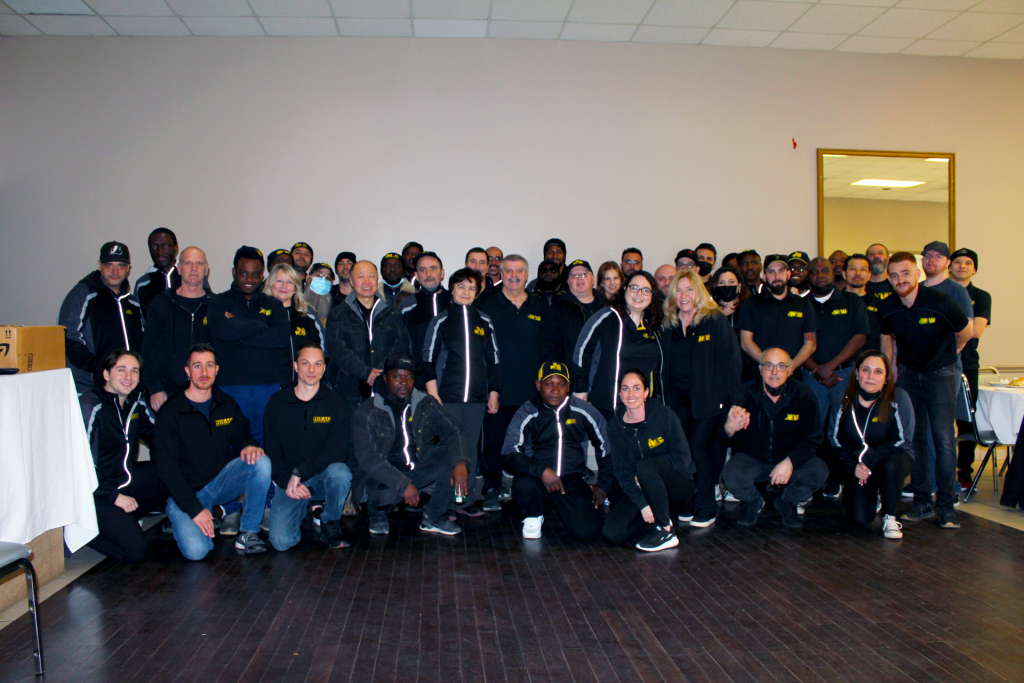
MJW Team

Learn more about The MJW Team (divisions of Metro Jet Wash Corporation) at www.metrojetwash.ca or contact the team directly at 416-741-3999 or toll-free at 1-844-669-3999.

MJW

4 Canadian companies earn ISSA CIMS certification

Four Canadian firms are among the 23 companies that have achieved ISSA’s Cleaning Industry Management Standard (CIMS) certification, the worldwide cleaning association has announced.

Created by the industry, for the industry, CIMS is the first consensus-based management standard that outlines the primary characteristics of a successful, quality cleaning organization.

Relevant for in-house operations and outsourced building service contractors of all sizes, CIMS leverages five core elements of management best practices and requires participants to meet 100 per cent of the mandatory elements and 60 per cent of the recommended elements, per section.

An ISSA-accredited third-party assessor completes an on-site evaluation to validate that the cleaning operation follows documented systems and processes that support cleaning for health.

This year’s new and renewing companies that have earned CIMS-Green Building (GB) with Honours include:

  • Native Resource Development Co., Inc. | Santa Ana Pueblo, N.M.
  • Didlake Inc. | Manassas, Va.
  • The Severson Group | San Marcos, Calif.
  • Cleaning Connection Inc. | Des Moines, Iowa
  • Professional Maintenance Systems | San Diego
  • Premium Maintenance Services Limited | Vaughan, Ontario
  • Flagship Facilities Services | Southlake, Texas
  • VGS, Inc. | Cleveland
  • CW Resources | New Britain, Conn.
  • ServiceSource Inc. | Oakton, Va.
  • McKenzie’s Cleaning Inc. | Miramar, Fla.
  • Daigle Cleaning Systems | Albany, N.Y.
  • Mavagi Enterprises, Inc. | San Antonio
  • Dexterra Group | Mississauga, Ontario
  • MarFran Cleaning, LLC | Houston
  • SmartClean | West Des Moines, Iowa
  • Servantage Services Corp. | North Vancouver, British Columbia
  • Ace Maintenance & Services Inc. | Austin, Texas.

Companies that have achieved CIMS-GB include:

  • Skys The Limit Window Cleaning & Specialty Services Ltd. | Edmonton, Alberta
  • Takeuchi Commercial Cleaning Services, LLC Dba We Clean San Diego | San Diego, Calif.
  • Aztec Janitorial Service | Lemon Grove, Calif.

This year’s new and renewing companies that have earned CIMS with Honours include:

  • BClean | Santo Domingo, Dominican Republic
  • Goodwill Industries of the Coastal Empire | Savannah, Ga.

“Earning CIMS certification demonstrates that organizations are dedicated to a higher standard of cleaning service, which is essential given the risks that exist today,” said ISSA Executive Director John Barrett. “Using CIMS as a management framework allows cleaning organizations to maintain quality, operate efficiently, and improve customer satisfaction.”

For more information about CIMS, visit www.issa.com/cims.

IICRC opens nominations for 2022 Hall of Fame Award

The Institute of Inspection Cleaning and Restoration Certification (IICRC) is now accepting nominations for the 2022 Hall of Fame Award.

The ANSI-accredited global standards developing organization and credentialing body presents the Hall of Fame Award every year. The award is open to all past and present IICRC Constituents who have at least 25 consecutive years in the inspection, cleaning, and/or Restoration Industries.

To be considered, the nominee must have verifiable proof of previous or current IICRC Certification and have made a positive impact on the IICRC. Posthumous nominations are welcome. Current board members or officers are not eligible for the award.

Up to five inductees will be announced at this year’s Annual Instructor’s Meeting (AIM) on October 1 in Henderson, Nev. Inductees will receive free travel and accommodations for the event and will receive a special plaque at AIM. A separate plaque will also be displayed in the IICRC Hall of Fame at the Global Resource Center (GRC) in Las Vegas.

The deadline for nominations is June 30.

To submit a nomination, access the nomination form here. For more information, visit the Hall of Fame page here.

Affordable housing complex underway in Vancouver

Construction has begun on a seven-storey affordable housing complex in Vancouver aimed at individuals and families in need. The project is a partnership between the federal and provincial governments, the City of Vancouver and Lookout Housing and Health Society.

The federal government, through the National Housing Co-Investment Fund (NHCF), is investing nearly $35.9 million for the project. The Government of British Columbia, through BC Housing, is providing approximately $10.3 million from the Building BC: Community Housing Fund and will provide approximately $200,000 in annual operating funding. The City of Vancouver contributed approximately $3 million from the Community Housing Incentive Program (CHIP).

Located at 508 Powell Street, the new building will be operated by Lookout Housing and Health Society and bring 114 new rental units for seniors, Indigenous Peoples, women fleeing domestic violence, newcomers, refugees, working singles, couples and families seeking affordable housing in Vancouver. Amenities planned for the site include full-time health and wellness supports, referrals to local services for tenants and the Powell Street Getaway (PSG) situated on the main floor of the building. The PSG provides food services, health and social programs available to everyone in the community.

“Through our collaboration with partners and providers, we are working to make sure all people in Vancouver and across British Columbia have access to stable housing,” said Wilson Miao, Member of Parliament for Richmond Centre.These types of investments are necessary for healthy and sustainable communities.”

The new affordable housing complex is expected to be complete by summer 2024. More information can be found here: Over 100 new rental homes coming to Vancouver (bchousing.org)

BC Hydro helps fund Vancouver park upgrades

Vancouver Board of Parks and Recreation has approved the request by BC Hydro for property rights in portions of Nelson Park as the West End Substation Project moves forward. The Park Board will receive $8 million in return.

The funds provided by BC Hydro will be used by the Park Board to move forward with improving parks in the West End and help ensure Nelson Park continues to meet the needs of the growing community.

In February 2022, the Park Board approved BC Hydro’s request  (1.6 MB) for rights-of-way through a section of Nelson Park to allow for construction of underground distribution and transmission lines. Additionally, BC Hydro requested driveway access to provide shared entry to the future school and underground substation at the Lord Roberts Annex property.

“Knowing the substation project at the Lord Roberts Annex property adjacent to Nelson Park was moving ahead meant shifting from our more familiar role as those who build and maintain parks and public amenities, to ensuring the least amount of disruption possible to the park,” explains Donnie Rosa, general manager of the Vancouver Board of Parks and Recreation. “Another aspect of our role in this was to ensure reasonable compensation from BC Hydro on behalf of the park users who will be impacted by this project.”

Nelson Park provides critical access to nature for West End residents and is a space used for health, wellness, and leisure. There are currently 20,000 residents living within a 10-minute walk of Nelson Park and the population of the West End is expected to grow by 30,000 over the next 30 years.

“We’re committed to delivering safe and reliable power to our customers in downtown Vancouver,” says Chris O’Riley, president and CEO of BC Hydro. “The rights of way access in Nelson Park is an important component for a new underground substation in the West End that will serve the downtown core for generations to come.”

BC Hydro believes construction for the underground substation, adjacent to Nelson Park, could begin as early as 2024, with estimated project completion in 2029.


New designs for Frank Gehry’s 73-storey Forma

New renderings were revealed for Frank Gehry’s first residential tower in Canada and what will become his tallest building in the world.

A pattern of maple leaves adorns a sculptural installation inspired by the Group of Seven in the Gehry-designed east tower lobby—viewable for passersby. Curved wood furniture and accents, and limestone cladding of walls and flooring, contrast with the stainless steel tower exterior, which all take cues from historic city buildings that Gehry’s admired growing up.

“There is a feeling of Toronto that I had as a kid, and I wanted that to be in the DNA of our design,” said Gehry, of Gehry Partners LLP. “Every city in the world has its own light and the light is modified by the buildings in the city. I wanted this building to capture the essence of Toronto. It’s not like everywhere else. The light is different. The heritage is different. It’s a different place. I hope that is what people see when they look up.”

Frank Gehry

The Gehry-designed lobby was inspired by the Group of Seven.

Alternating stainless steel and glass canopies wrap the corners of both towers at street level, giving coverage to future potential commercial tenants and maximizing the public realm with active street frontage.

Studio Paolo Ferrari is overseeing the remaining interiors. Drawing on the studio’s international hospitality experience designing five-star luxury hotels and resorts, Forma marks Ferrari’s first condominium residence design in his studio’s hometown of Toronto.

Rather than concentrating amenities in one area of the building, spaces were grouped by theme and strategically located throughout. Separating the amenities in this way allowed the design to focus on the actual uses of each space, providing spaces that are more intimate and accessible.

Hospitality and entertainment amenities are grouped in the Grand Suite on the 73rd floor and feature a chef’s kitchen, interconnected entertainment rooms and an intimate theatre intended for smaller groups of ten or twelve.

Frank Gehry

The Grand Suite on the 73 floor features interconnected entertainment rooms and a chef’s kitchen.

Frank Gehry

A theatre for 10 to 12 people in the Grand Suite.

In the Creator’s Club, a multi-functional co-working space shifts from private and semi-private spaces to more open areas for working and collaboration. An adjoining Maker’s Studio offers space for hands-on tasks, crafts, and hobbies, while the soundproof recording studio allows content creators to record podcasts, or work on social media videos and other creations.

Frank Gehry

The Creator’s Club amenity space is multi-functional with a place for co-working

A health and wellness retreat features a spa, a jacuzzi with warm grey stone, and a sauna, which complements a warm, lively fitness studio complete with the latest equipment, including a dedicated spin room.

The health and wellness retreat.

“Our intention was to craft purposeful spaces that oscillate between social and serene,” said Ferrari. “Toronto is an unrelenting, energetic city that, at the same time, also has incredible connections to the lake and nature. We wanted to capture a balance between the exuberance and the restorative.

“It’s been incredible to collaborate with Gehry on this vision– he is an incredible ambassador for creativity and inventiveness. We saw first-hand how Gehry and the entire team were genuinely passionate about this work and found a natural alignment from the very beginning.”

Throughout his career, Gehry has been recognized with numerous awards including the Pritzker Prize, the world’s most prestigious architecture award.


Construction job vacancies hit record high

Construction job openings hit an unprecedented high in March with 81,900 vacancies, according to Statistics Canada in its latest Survey of Employment, Payrolls and Hours.

The 27 per cent increase in the month, following five consecutive monthly declines, pushed the job vacancy rate to a record high of 7.3 per cent, up 1.3 percentage points from February.

Vacancies increased by more than one-third in accommodation, food services and retail while there were record vacancies in health care, social assistance and construction.

Across all sectors, Canadian employers were actively seeking to fill more than one million (1,012,900) vacant positions at the beginning of March 2022, a record high. Vacancies increased by 22.6 per cent, or 186,400, in the month and were up more than 60 per cent from March 2021.

The job vacancy rate, which measures the number of vacant positions as a proportion of all positions, vacant and filled, was 5.9 per cent in March 2022, matching the record high observed in September 2021.

The number of vacancies reached a record high in Nova Scotia (23,000), Manitoba (30,000), Saskatchewan (26,600), and British Columbia (178,300).

Overall, the number of employees receiving pay or benefits from their employer increased by 118,100 in March. This coincided with the continued easing of public health measures, as remaining capacity limits affecting business operations had generally been lifted by the first two weeks of March, although some combination of masking, proof of COVID-19 vaccination, or COVID-19 testing remained a requirement in some settings in certain jurisdictions.

Nationally, the average weekly earnings, derived by dividing total weekly earnings by the total number of payroll employees, rose by about a per cent, to $1,170 in March. On a year-over-year basis, average weekly earnings have increased 4.3 per cent, more than double the year-over-year increases observed in February and January.

StatCan noted labour demand tends to vary over the course of the year due to seasonal patterns, with increased economic activity typically driving higher demand for labour in the spring and summer and lower demand in the winter.


Toronto parking fines surpass 2021 projections

Toronto enforcement officers issued 15,384 tickets for unauthorized parking in spots designated for people with disabilities over the course of 2021, representing a 55 per cent increase from the previous year’s tally. That’s a much sharper jump than the average across all categories of parking violations, which shows a 5.3 per cent increase in total tickets issued in 2021 compared to 2020.

A new report prepared for Toronto Council’s general government and licensing committee confirms the City collected nearly $10 million more in parking fines last year than had been projected in the 2021 budget. Even so, that $90.2 million in gross revenue lags the pre-pandemic intake.

In 2019, more than 2.2 million violations resulted in $124 million in net revenue, while in 2020, 1,404,734 tickets garnered $79.1 million. Last year, violations bumped up to 1,479,644.

“This increase is believed to be attributed to the lessening of pandemic-related restrictions in 2021 following 2020, which experienced COVID-19 lockdowns and reduced enforcement efforts at different periods during the year,” the report states.

Last year saw a 5 per cent drop in the number of tickets issued for parking on private property, which carries a fine of $30. However, it remained the most common parking violation, with 320,827 tickets equating to nearly 22 per cent of the year’s total. There was also a 5 per cent decrease in the number of tickets issued for parking in a loading zone, which carries a fine of $40 to $100. Those 15,333 infractions represented slightly more than 1 per cent of tickets issued in 2021.

In contrast, there was a 12 per cent increase in tickets issued for parking in a designated fire route, which carries a fine of $250, and a 52 per cent climb in tickets for parking within three metres of a fire hydrant, which carries a $100 fine.

The most dramatic year-over-year increase was seen in the 144 per cent spike in violations for parking on municipal property without consent. Nearly 95,000 tickets, which carry a fine from $30 to $75, were issued in 2021 versus about 39,000 in 2020. This category accounted for 6.4 per cent of all tickets issued last year compared to 2.7 per cent in 2020.

The steepest fines — at $300 to $450 — are issued for unauthorized parking in a spot designated for people with disabilities. Last year, these tickets represented slightly more than 1 per cent of total infractions, up from 0.7 per cent in 2020.

Healthcare facilities know they lack in environmental hygiene

The vast majority of healthcare facilities appear to recognize the fact that they are coming up short with some healthcare environmental hygiene (HEH) practices, according to a recent survey.

The research, published in the American Journal of Infection Control, found that 98 per cent of the healthcare facilities surveyed are not meeting the full guidelines offered by the World Health Organization (WHO).

HEH is an important component of infection prevention and control and involves the cleaning of hospital room surfaces It is reliant on multiple factors, such as adequate cleaning products and supplies, best practices and protocols, and training, education, quality control.  Departments responsible for HEH face numerous challenges, including limited budgets, an unstable workforce, and a lack of access to safe and effective products.

The study surveyed 51 healthcare facilities from 35 countries on 39 questions evaluating the strengths, challenges, and improvements of their HEH programs.

50 out of the 51 were deficient in some or all of the five components of the WHO-recommended infection prevention and control improvement strategy. T

In addition, the survey found that:

  • Seven in 10 (71 per cent) of respondents felt that their facility gave enough importance to HEH and 47 per cent felt that the budget allocated for cleaning and disinfection was adequate.
  • Two-third (67 per cent) reported that necessary HEH products and supplies were always available, 27 per cent said they were sometimes available, and six per cent said they were never or rarely available. Among the 90 per cent that reported HEH equipment and supplies were available, 16 per cent could still not perform adequate sterilization because equipment was not in good working condition.
  • Just over half reported that their protocols were based on best practices and updated regularly.
  • Fewer than one in four (22 per cent) provided or required (if staff was outsourced) formal HEH training upon hiring, while 28 per cent did not provide or require any formal training at all.

The study researchers will use these findings to enhance a self-assessment tool to help facilities benchmark and improve their HEH.

“We were surprised to find that 98 per cent of the facilities participating in our survey were majorly lacking in one or more of the World Health Organization’s multimodal improvement strategies for infection prevention and control practices,” said Alexandra Peters, Ph.D., University of Geneva, Switzerland, a study author.

“This survey suggests that challenges with key components of healthcare environmental hygiene, including staff education and training, workplace culture, and access to adequate products and equipment, remain ubiquitous regardless of geography or income level. These results reinforce the need for a self-assessment tool to help health care facilities worldwide identify HEH challenges and necessary resources.”

Program launched for circular built environments

World Green Building Council (WorldGBC) and its network of more than 70 Green Building Councils are launching Circularity Accelerator — a global programme to accelerate the adoption of circular economy and resource efficiency principles in the building and construction sector.

According to a report released by the United Nations (UN), there’s a 50 per cent chance of exceeding 1.5°C of global heating in the next five years. Between the UN Climate Summit of COP21 in Paris and COP26 in Glasgow, the global economy consumed 70 per cent more raw materials than the Earth can safely replenish.

“The impact of this resource use — associated GHG emissions and pollution and plunging biodiversity — accelerates climate change and the decline of life-sustaining ecosystem services such as the maintenance of clean water and productive soils. These impacts unequally affect the most vulnerable communities and economies around the world. But that can and must change,” says Cristina Gamboa, CEO, WorldGBC.

To tackle the climate and resource impact of the built environment and to support the ambitions of the UN’s Sustainable Development Goals and the Paris Agreement, WorldGBC’s Circularity Accelerator convenes members to work towards circularity and resource efficiency goals:

2030 goal: The sustainable management and efficient use of natural resources within the built environment, achieving zero waste to landfill targets and working towards a built environment with net zero whole life resource depletion

2050 goal: A built environment with net zero whole life resource depletion, working towards the restoration of resources and natural systems within a thriving circular economy.

The Circularity Accelerator is developing the following projects for 2022 to create awareness and educate the industry on the opportunities in a more resource-efficient built environment:

  • A ‘state of the market’ report identifying the key challenges and opportunities for circular built environments. The report is also supported by WSP as a technical partner.
  • A global awareness campaign to increase the adoption of circularity and resource efficiency principles including training events, publications and campaign tool kits for Green Building Councils and partners.