


Articles Archive - Page 151 of 928 - REMINET
REMI

A pathway to future homeownership

The Canadian real estate landscape has changed significantly since the early 2000s, back when buying a home was achievable for almost anyone with steady employment. Today, homeownership in markets like Vancouver or Toronto is far more challenging unless buyers are prepared to spend beyond their financial means on a down payment and the rest of their lives drowning in debt.

“Employment rates have not kept pace with the growing demand for jobs, post-pandemic,” observes John Hickey, Senior Director, Residential Asset Management and Property Management at The Daniels Corporation. “Mortgage rates have seen a sharp increase, as well as job turnover rates. Income uncertainty is more prevalent now than it has been in the past. These conditions have created affordability pressures for all age groups, but mostly for younger families and millennial professionals who are finding it challenging to transition from renting to homeownership.”

Combined with the supply shortage, affordability constraints are forcing existing renters to remain in their units longer; meanwhile, rising immigration and changing attitudes about renting are contributing to the heightened demand. Data shows that, increasingly, Canadians are choosing to live alone or with a roommate, resulting in a noticeable decline in turnover rates—and for the cohort that does want to invest in a new home, the exorbitant cost of housing isn’t making the transition easy.

Enter Daniels’ Home Investment Program (HIP), a unique program designed to help tenants create a pathway to future homeownership. Open to all residents of Daniels’ Gateway Rental Communities, tenants are invited to accumulate HIP dollars towards the purchase of a new Daniels home.

As Hickey explains it, “After renting a Daniels home for twelve months, Gateway tenants get a certificate for $6,000, which can be applied towards the purchase of any new Daniels home. If they are not quite ready to buy at that point, no problem—they can continue collecting $500 HIP Dollars per month to a maximum of $25,000.”

The program launched in 1999 when the first Gateway Rental Communities opened in the GTA. Since then, over 4,550 rental residents have been automatically enrolled, with no pressure to opt-in or commit to buying a home at any point along the way.

“Our footprint extends beyond traditional home-building,” Hickey says. “Daniels exists to build inclusive and sustainable communities to create a better future for all. We harness our influence for positive change, demonstrating that development can be a force for good through impactful partnerships with not-for-profit, government, institutional, and private-sector entities.”

Other innovative programs and services

In addition to HIP, Daniels Gateway Rental Communities offers an array of programs and services designed to meet the needs of a wide range of residents. For its high-rise tenants, Daniels offers the Amenity Activation Program, which brings residents together for cultural celebrations and art exhibits reflecting the diversity of those who live in the building.

In 2023, Daniels partnered with Kinder College Early Learning Centre to open a daycare on the ground floor of the EVOLV rental building in Toronto. Today, Hickey says the centre is recognized as having one of the best early childhood education programs in the region, known for providing “exceptional care” for children ages three months to four years.

At Uniti, Daniels recently partnered with the BlackNorth Initiative (BNI) to create an Artist in Residence Program and help remove systemic barriers faced by Black artists in accessing housing, workspaces, and economic opportunities, the program also promotes art, culture, and resident engagement.

Meanwhile, sustainability is engrained into each Gateway rental community from the earliest design stages: “Our low carbon communities reduce energy consumption and fossil fuel use, thus, futureproofing against climate change and mitigating the risk of costly retrofits or drastic energy price shocks as the market and code shift towards low-emission buildings,” Hickey says. “We also launched the Daniels Decarbonization Roadmap, an industry-first strategy to reduce whole-life carbon emissions from our real estate developments.”

For more info on HIP and other Daniels Corp. programs visit: danielsgateway.com

Committee flags multi-res accessibility revisions under OBC 

The committee tasked with reviewing accessible built environment standards in the Accessibility for Ontarians with Disabilities Act and the Ontario Building Code (OBC) have flagged key areas for improving multi-residential buildings as listed in their initial report of 127 recommendations for indoor and outdoor spaces.

Under the OBC, they urge an immediate need for more accessible housing in multi-unit residential buildings and specific regulatory changes for a fully barrier-free experience in these units. Another concern is the need for safe and accessible use of elevator services during emergencies such as power outages.

As currently stated in the OBC provisions, at least 15 per cent of suites must be designed with basic accessibility features such as a barrier-free path of travel from the building entrance into the suite and into the kitchen, bedroom, living room and bathroom.

The committee is calling for an immediate increase to 20 per cent in newly built or redeveloped multi-unit residential buildings. Another urgent requirement is providing a back-up generator for elevator usage during power outages.

As well, an elevator is typically required to provide barrier-free access to all floors. Suites with accessibility features must be distributed throughout the building and represent the type and size of suites available in the building.

The committee also wants the government to immediately amend 8.3.2.1 (5) to say: “In a Group C major occupancy apartment building, not less than 20% of all suites of residential occupancy shall be provided with a barrier-free path of travel from the suite entrance door into and throughout all areas located at the same level as the barrier-free path of travel and must include at least one bedroom and at least one bathroom conforming to Sentence (6), a kitchen or kitchen space, and a living room or space.”

To ensure the OBC follows CSA/ASC housing requirements, the committee suggests that within two year the government complete a thorough review of ASC/CSA B652, Accessible Dwellings and update multi-residential barrier-free requirements so they meet or exceed these standards. There is also much more emphasis on CSA/ASC requirements for accessible housing in all aspects of the OBC that regulate both short and long-term accommodations for persons with disabilities, for example, hotels, long-term care facilities, emergency shelters and rehabilitation facilities.

The committee was established to review the province’s regulations on the accessible built environment. The members hope to garner public feedback by August 29 on the recommendations, which include amendments to the Ontario Fire Code and mandatory retrofits to upgrade life safety systems. All input will be considered before final recommendations are made.

Ontario seeks input on accessibility standards

Mandatory retrofits to upgrade life safety systems and improve features in accessible public bathrooms are among 127 recommendations recently presented to the Ontario government from the committee it appointed to review provincial accessibility standards for indoor and outdoor public spaces. The sweeping report addresses the objectives and details of guidance and requirements under the Accessibility for Ontarians with Disabilities Act (AODA) and the Ontario Building Code, and calls for new definitions, firmer directives and numerous technical refinements.

“The current regulatory and legislative framework in place to enforce accessibility in Ontario has not evolved fast enough to keep up with the growing needs of persons with disabilities across the province,” the report’s introduction states. “Recommendations presented by this committee are informed by validated data from academic research, national standards for accessibility and principles of universal design for the built environment.”

The AODA was adopted in 2005 with the aspirational aim that Ontario would be widely accessible and inclusive by 2025, but subsequent progress reports have found the province falling short of those ambitions. The 14-member standards review committee — with representation from providers of public services and facilities, groups representing people with disabilities, and the design and urban planning sectors — examines a range of concerns from planning and permitting procedures to specifications for property/building configurations, features and wayfinding to training needs for local officials, design professionals and building/facilities managers.

The Ontario government is inviting public feedback until August 29. The recommendations pertain to many indoor and outdoor attributes of existing commercial properties and public facilities, as well as to building code and other potential regulations for new construction and development.

That includes a recommendation that the Ontario Fire Code be amended to mandate visual alarms and accessible placement of pull stations, fire extinguishers and other fire safety equipment in all buildings. For new development, recommendations call for preparation of comprehensive accessibility reports as a condition of site plan approval.

CIB closes on $100-mil investment with GDI

The Canada Infrastructure Bank (CIB) has closed on a $100-million investment with GDI Integrated Facility Services Inc. (GDI) to support deep energy retrofits in aging buildings across Canada.

Once all retrofits are complete, it is estimated that approximately 44,000 tonnes of greenhouse gas emissions will be reduced per year. In addition, the projects are expected to support about 500 jobs in the trades sector.

GDI has formed a special purpose vehicle (SPV) to finance the capital costs of the retrofits, which will include the CIB’s investment with the remainder funded through an equity investment by GDI and third parties.

GDI’s wholly owned subsidiary Ainsworth and its subsidiary, Énergère will source energy projects and provide complete turnkey design and build services. The companies will offer initial energy audits, energy modelling, system design, installation, commissioning, measurement and ongoing energy management, data analytics and energy optimisation.

Each project carried out by the SPV will vary in scale and approach. Ainsworth will provide their clients with deep energy retrofit solutions to dramatically reduce carbon emissions. Carbon reduction measures include fuel switching, HVAC upgrades, transitioning to clean and renewable power sources like solar generation, electrical vehicle charging and energy storage facilities.

The funding is part of CIB’s Building Retrofits Initiative, which has committed over $1.2 billion towards financing sustainable retrofits.

Residents figure into fire safety knowledge gap

The number of fires in high-rise buildings increased by 10 per cent last year, according to the latest statistics from The Ontario Fire Marshal. The province also saw the total number of fatal fires rise to 109. Within many condos, there is a critical gap between fire safety and resident knowledge.

“Right now, residential building managers, superintendents and security staff all require training under the Ontario Fire Code,” says Jason Reid of National Life Safety Group. “However, the deaths and injuries are not occurring to them; they are impacting the residents—the only ones in a high-rise building who are not required to be familiar with their own unique roles and responsibilities.”

In the case of a fire alarm, a common belief before evacuating is to wait for advice from the security guard or for the fire department to arrive. “No where in the official emergency procedures does it say that security guards should help people out of the building and provide guidance to those who are phoning in,” says Reid.

Rather, they have a critical responsibility to go to the fire alarm panel, call 911, speak to the operator, make an announcement over the emergency voice communication system, go to fire safety plan box to get the plan, keys, a copy of floor plans and list of disabled people in the building, and then hand it to the fire department when they arrive.

Brent Brooks, acting Captain with Toronto Fire Services and specialist at High Rise Firefighting, says nuisance alarms have also caused complacency. “On average, it takes us 6 minutes to get to your place, and our vertical response time can take another 6 minutes on average. So, we really can’t help you until after 12 minutes of that first alarm going off.”

Residents have moments to decide whether to evacuate or shelter in place. “Once that building is filled with smoke, you can’t leave,” he warns.

Once the fire department does arrive, there needs to be a representative on-site who knows the building intimately, such as what stairwell leads to the roof. “In Canada, commercial properties have fire wardens, but there aren’t really any for residential, other than what the superintendent does—if they are on site,” he says. “Sometimes we get there, the alarm is going off, and they are not on site. That has its own layers of issues.”

Other gaps he flags are units with missing or damaged automatic door closers, which causes smoke-filled hallways. Charging electric scooters and bikes near emergency exits is a newer, yet common issue facing condos right now. He describes a recent event where a woman was trapped on her balcony. Her scooter caught on fire as it was charging inside her unit and blocking her exit.

While fire safety procedures are primarily found in a condo’s welcome package, the details largely go unread, explains Reid, who conducts resident education sessions for condo corporations across the province, which delve into all the roles and responsibilities of staff and residents.

Jennifer Lawther, a property manager with Whitehill Residential, oversees a condo in Mississauga where these sessions were piloted and continue annually. The 300-unit building is a tight-knit community, mostly consisting of seniors, with 50 persons requiring assistance.

“The residents walk away feeling more empowered about what to do during an emergency,” she says of the session. “They meet people they haven’t met before and it also creates a greater sense of community.”

They also grasp knowledge of the fire suppression and other life safety systems for better insight into the actual physical building, while hands-on activities create learning opportunities.

“Residents weren’t aware that if they see fire and smoke, it is their job to pull the manual pull station and inform the building,” says Reid. “Through the training, we learned some residents can’t pull the manual pull station, so they have an opportunity to physically do that to see if they are comfortable with it.”

Lawther also notes the tangible impact of resident education. A recent break-in at the condo’s garage resulted in the perpetrator pulling the fire alarm as a way to distract everyone on the way out. The next day, residents called down to say they hadn’t panicked like they would have before; rather they were calm and understood what to do. Security also had much fewer calls than usual.

Each year brings different educational focus areas. “2022 had the highest death rate Ontario has seen in 20 years, and 50 per cent of those were attributed to non-working smoke alarms,” says Reid. In an April interview, he said a current leading cause of fires is cooking and throwing smoking materials off balconies.

However, the only way to communicate emergency procedures to residents is by either posting them all over the building or sending owners a copy of the applicable pages of the fire safety plan, he adds. Evolving trends coupled with brand new residents creates urgent opportunities for more in-depth education. Reid says it’s not just about teaching the response; it’s also about education in fire prevention.

Jackie Walker, a property manager with Crossbridge Condominium Services, oversees a condominium in Guelph that recently took part in the session. “Rather than just sending out the policies and procedures once a year, we thought a resident information session would be beneficial for the residents to clarify some of the questions that keep coming up,” she says.

“There is always turnover; emergency situations change; sometimes you need to be added to the persons requiring assistance list and sometimes you don’t. “It’s a good learning opportunity for residents to clarify what they should and shouldn’t be doing and the roles and responsibilities of everyone involved.

Maintaining your HVAC system through the summer

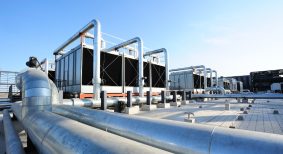
Your HVAC system is busy doing its job to cool your building through the season, but it requires a proactive approach as part of your maintenance plan to keep it performing at its best. Studies show that building cooling is responsible for about 15 per cent of energy use in commercial buildings, so efficiency is key to optimum performance and cost savings.

As the seasons change, there are steps that facility and maintenance managers can take to increase efficiency, extend the lifespan of your equipment, and keep employees and visitors comfortable and happy through the summer months.

Here are the steps to take to maintain your HVAC system this summer:

  • Your filters are responsible for trapping pollutants to keep the air in your building fresh and clean, but they often get clogged with pollen, dirt, and debris, inhibiting them from getting the job done. Inspecting and changing your filters can help reduce your HVAC unit’s energy use by up to 15 per cent and improve the air quality throughout your building.
  • When your HVAC unit cools the indoor environment, it removes moisture, which drains through the condensate line. Checking the drip pan and cleaning the line can keep it from clogging and potentially developing mould or algae in the lines.
  • Lowering the temperature inside your building or controlling zones separately can lessen the load on your HVAC system by turning off equipment and lights when not in use, installing window blinds or UV-blocking film, and switching to LED lights which give off less heat.
  • Adjusting your thermostats to relieve your HVAC system when there’s no one in the building can save you money and give your system a break. This can be done manually throughout the building or remotely if you have a smart system.
  • Upgrading your equipment can be a costly expense, but consider this step as a way to save over the long haul. Adding today’s technology and energy-efficient options can provide better performance, targeted benefits, and more accurate data for planning maintenance.

Your HVAC system works hard all summer long and making it a priority as part of your seasonal maintenance plan will keep your building cool, lower your costs, and lengthen the lifespan of your equipment.

Déjà vu for Ontario’s residential rent increases

The Ontario government will hold the allowable rate for residential rent increases at 2.5 per cent for a third consecutive year in 2025. The newly announced rent guideline, which goes into effect January 1, will apply to sitting tenants in units that came onto the market prior to November 15, 2018, provided no above-guideline increases have been approved by the provincial Landlord and Tenant Board.

In setting the annual rent increase guideline, the Ontario government looks to the Statistics Canada’s consumer price index as an indicator of general cost trends. The 2.5 per cent threshold for 2025 falls short of the current 3.1 per cent average inflation rate, but the two rates have moved closer than when the 2024 guideline was established 12 months ago. At that time, the average inflation rate was 5.9 per cent.

Landlords will need to give sitting tenants written notification 90 days in advance of planned rent increases, while rents can be reset to what the market will bear when units turn over. In announcing what is slated to be lowest allowable rent increase rate in Canada, the Ontario government also points to a pick-up in construction of new purpose-built rental housing over the past three years, which has resulted in the highest number of housing unit starts in more than 30 years.

Developer Jerry Naqvi to join Order of Canada

Edmonton-based developer Jerry Naqvi is joining the Order of Canada. The founder and chair of Cameron Corporation, a builder, owner and manager of retail, industrial, office and mixed-use projects, is among 64 new members Governor General Mary Simon has announced ahead of Canada Day 2024.

“The Order of Canada recognizes individuals who have made positive and lasting impacts on communities here in Canada or who have brought honour to our country abroad,” she affirms.

The Order of Canada is one of the highest national honours that can be awarded to civilians. Established in 1967, its motto is DESIDERANTES MELIOREM PATRIAM, which translates to: They desire a better country.

The citation accompanying Naqvi’s appointment commends him as “a well-respected business and community leader in Edmonton” and “a long-standing supporter of many community and non-profit organizations supporting education, newcomers to Canada, interfaith dialogue, and individuals living with autism”. He will be formally invested into the Order in a ceremony at Rideau Hall in Ottawa later this year.

Naqvi arrived in Canada 60 years ago as an engineering student from Pakistan, launched his development career with the 1970s-era firm, Allarco Developments, and established the forerunner to Cameron Corporation in 1979. Today, his 45-year-old family business ranks as one of Alberta’s most active development companies with 29 projects now in the works.

“Jerry Naqvi and the Naqvi Family have been humbly building this city and giving back in many ways for decades,” says Lisa Baroldi, president and chief executive officer of the Building Owners and Managers Association (BOMA) of Edmonton. “Jerry is a legend in the commercial real estate industry, and in Edmonton. He has generously mentored countless people and gives his time, wisdom and boundless energy to better this city and country that he loves.”

Naqvi is a member of the International Council of Shopping Centers, the Appraisal Institute of Canada, the Industrial Developers Association of Canada and the Alberta Real Estate Institute. He has also served, as a volunteer, on numerous committees and boards of directors, including the University of Alberta, the Glenrose Hospital Foundation, the Interfaith Dialogue Committee and Society for Development in Third World Countries. In 2022, he was awarded a Queen Elizabeth II platinum jubilee medal, recognizing his significant contribution to the province of Alberta.

Indigenous-led Cedar LNG facility gets green light

The world’s first Indigenous owned LNG facility is moving forward with the announcement of a final investment decision.

The $5.5 billion Cedar LNG project in Kitimat will be built by the Haisla First Nation, which owns 50.1 per cent per cent of the project, and Pembina Pipeline Corp., which owns 49.9 per cent.

The project is strategically positioned to leverage Canada’s abundant natural gas supply and deliver a lower-carbon energy option to global markets. The facility will be powered by renewable electricity from BC Hydro, making it one of the lowest emitting LNG facilities in the world.

“The Haisla Nation, with our partner Pembina, have made history as the world’s first Indigenous community to develop an LNG facility as majority owners,” said Crystal Smith, chief councillor of the Haisla Nation.

The Cedar LNG project will be a floating LNG terminal with an annual production capacity of 3.3 million tonnes of liquefied natural gas.

“This decision shows not only the perseverance of the Haisla Nation in achieving this historic milestone, but also confidence of investors in B.C.’s economy, and how the future for the natural resources sector is bright and will continue to support B.C.’s strong economic performance, which has led Canada’s large provinces in GDP growth since 2017,” B.C. Premier David Eby

The facility is being designed and built by Samsung Heavy Industries and Black & Veatch. Natural gas will be supplied to the Cedar LNG facility from the Coastal GasLink pipeline, which also will supply natural gas to the nearby $18 billion LNG Canada project.

The project is expected to create up to 500 jobs during peak construction and approximately 100 full-time jobs during operation. The in-service date is anticipated to be in late 2028.

Salvaged steel fit to fortify decarbonization

The cost case for salvaged steel looks promising even with an embryonic supply chain and a raft of logistical complexities to recover, inspect, store and then reuse structural members in new construction projects. The salvaged steel component in the mammoth restoration of Centre Block in Canada’s parliament buildings is projected to be on par with new steel on a simple cost basis, while life cycle assessment confirms more far-reaching paybacks.

“The cost to take the steel out of the building and get it ready to go back in is equal to the procurement of new steel,” Isis Bennet, a structural engineer on the project with the consulting engineering firm, WSP, told seminar attendees at the Canada Green Building Council’s recent annual conference. “That includes the deconstruction, the cleaning of the steel, the inspection and the tagging and tracking process before it goes to the fabricator to get fabricated for reinstallation.”

In its totality, the Centre Block restoration has been characterized as the most complex building rehabilitation project yet undertaken in Canada. Budgeted in the range of $4.5 to $5 billion, the federal government reports about $814 million had been spent as of March 31, 2024 on the multi-year, multi-phase project, which includes: complete interior and exterior restoration; replacement of the mechanical, electrical and fire safety systems; seismic and accessibility upgrading; installation of digital infrastructure; and newly constructed space to be known as the parliament welcome centre.

The directive to recover and reuse structural steel, where appropriate, aligns with the government’s mandate to show leadership in reducing greenhouse gas (GHG) emissions in its own portfolio of buildings. Reuse of an existing beam or column recovered from the deconstruction of another structure curtails an estimated 97 per cent of the embodied carbon involved in manufacturing a comparable item from virgin steel. In interior areas of Centre Block where demolition is necessary, crews have been cutting out recoverable lengths of steel — at approximately 50 millimetres or two inches from any bolts or connectors — to be used in subsequent construction stages.

“It is being deconstructed quite delicately. On this project, we know a lot about the steel that’s coming out of the building and we’re also the designers who are specifying the steel that’s going in, so it’s much easier for us to determine what members have the highest potential for reuse,” Bennet observed. “This is steel already owned by the client so it’s a great opportunity to put it to good use.”

She and co-panellist, Jolene Mclaughlin, vice president, climate and sustainability, with the construction contractor, EllisDon, shared their experiences on this element of the Centre Block project as part of a wider discussion on the growing uptake of salvaged building materials in new construction. Ryan Zizzo, a specialist in whole building life cycle assessment and chief executive officer of the consulting firm, Mantle Developments, joined in with insight on market trends, opportunities and challenges.

Among contributing influences, Zizzo tallied: the emergence of salvaged material trading platforms and specialized professional services such as deconstruction audits; the commercial real estate industry’s increasing pursuit of net-zero GHG emissions; and various regulatory prods and/or monetary enticements to curb emissions and waste sent to landfill.

For those on the voluntary track, LEED version 5, which was released in consultative draft form earlier this year, has an intensified emphasis on decarbonization. That comes with a new prerequisite to assess the upfront embodied carbon in “major materials” in a building’s structure, enclosure and hardscape, and a new credit, worth up to six points, for reducing embodied carbon in construction materials.

“What people may not have realized is that it’s only new material that’s being included in those limits (established in the credit). If you’re reusing used material, you can count that as zero on your embodied carbon ledger,” Zizzo advised.

For contractors and related service providers bidding and working on federal construction or retrofit projects, new expectations have been outlined in a recent update to the government’s green operations strategy. Federal departments and Crown corporations will be required to consider life cycle cost analysis for GHG reductions in determining project costs, which is to be based on a 40-year period and a shadow carbon price of $300 per tonne. As well, “recycled and lower-carbon materials, material efficiency and performance-based design” are to be employed, beginning in 2025, to achieve a 30 per cent reduction in the embodied carbon of major construction projects. The total embodied carbon of construction materials will also have to be disclosed.

Heightened reliance on life cycle analysis is expected to change how project proponents perceive value. Mclaughlin ranks it as a potential key driver of the salvaged materials market, particularly if truer costs for waste disposal are introduced.

“We know when we just look at the capital costs, our sustainability objectives don’t pay out,” she said. “It’s dirt cheap to just throw stuff out in Canada so it costs us far more to put people on the site to deconstruct than to throw it out. If we create more value in keeping that material, that starts to change the conversation.”

Standards and a more robust supply chain are identified as other essential ingredients for wider uptake of salvaged steel. Bennet recounted how the engineering team on the Centre Block project has largely forged its own way in devising specifications for removing steel, determining its suitability for reuse, and storing it in an organized way that’s secure from detrimental weather. Other early adopters have also needed to take a self-directed approach.

Vigilantly developed standardized procedures are prioritized to provide guidance, consistency and assurance for design, quality control and deconstruction/construction. In turn, that could spur more confidence to use salvaged steel and a more efficient rollout of projects.

“If each project goes about it differently, that’s a lot of hoops for someone on the contractor side to jump through. If we have a standards package, we can say: Refer to this standard; go through these steps and we’re happy with it,” Bennet said.

“If steel is tested to a standard and then goes into the materials market, we, as a contractor, know we can trust to buy that,” Mclaughlin concurred.

Bennet notes that project proponents are currently faced with fairly challenging legwork to source salvaged steel. Ideally, she would like to see building owners opening up trade links — citing one such example of University of Toronto, Scarborough acquiring steel recovered from deconstruction at the Royal Ontario Museum — and thinking more strategically about what can be gleaned from their own or their peers’ retrofit and decommissioning projects.

“There is real opportunity for portfolio owners to see the whole portfolio as a material bank,” Zizzo urged. “It’s easier to reuse your own material than buying from someone else. You can take materials from one of your buildings that might be under renovations and find ways to use it in one of your other buildings.”

ESG, green cleaning, and beyond

Sustainability reports are becoming an important part of facility management as companies strive to lower their carbon footprints and work towards their environmental, social and governance (ESG) goals. It’s important to note that the trend of releasing sustainability reports is on the rise, with more building owners, managers, and facility management companies seeing the value of this practice. These reports are often released in the first quarter of the year, and according to Chris Hodges, co-author of the book Sustainable Facility Management, the Facility Manager’s Guide to Optimizing Building Performance, the key reason for this trend is to secure funding.

In his words ‘In order to secure funding for ongoing [building] operations and maintenance, sustainability initiatives, and capital funding, facility managers must be able to craft and present compelling reports in order to win funding for investments in [their] facilities.’

So, why are investors, loan officers, and other financial institutions increasingly requiring sustainability reports? As sustainability continues to be important, sustainability reports and related disclosures are designed to reveal the precise steps a facility is taking to reduce its environmental footprint.

Further, taking these steps documents how the facility is becoming more resilient to unexpected environmental shocks and hardships. This helps them better handle climate change and its impacts, and generate relevant cost savings – typically, when a facility begins its sustainability journey, cost savings become a positive effect of that endeavour. Beyond the scope of the environment, these reports may also address matters such as social issues, which would include (but are not limited to) the following:

  • Ethical hiring practices
  • Fair wages
  • Healthy working conditions
  • Inclusiveness (creating a place where everyone hired feels welcomed and respected)
  • Transparency

These are just some of the areas of focus included in a typical sustainability report that investors are taking into consideration, paying them increasingly more attention. However, before publishing their own reports, facility managers often have several questions that need answering before the report can be generated.

What is a sustainability report?

By the late 1980s, some of the largest multinational companies started publishing what we now refer to as sustainability reports. These reports were initially known as environmental reports but were less comprehensive than those we see from today’s professionals. Nevertheless, these reports marked the beginning of a trend toward more extensive sustainability reporting, more responsible practices, and working towards ESG goals.

What do the reports reveal?

Sustainability reports are often a crucial factor for investors and financial institutions looking to invest in a property. Using the automotive industry as an example, we can compare sustainability reports to a CARFAX® report. Those of us who have purchased a used car in the past few years know that a CARFAX report details a car’s history and service records for maintenance and repairs. Using these reports, used-car buyers can make thought-based, data-driven decisions about buying a particular car.

Similarly, sustainability reports are essential for investors because they can reveal the steps a facility is taking to reduce its environmental footprint, and its efforts to address social equity issues. This allows investors to make more informed decisions about a facility, gaining a better understanding of its sustainability practices, how it addresses social and environmental issues, and how well it can mitigate environmental risks.

Are all sustainability reports the same?

The answer to this question is no, and this is where difficulties can arise. Currently, there are no standard reporting measures or guidelines for sustainability reporting. A report from one facility may be very different from a report from a similar building right up the street. This presents a challenge for investors, but one way to better address this is by knowing your audience and creating a framework to focus on the specific issues related to your property.

Inconsistencies in reporting can be significant; varying facilities may rely on entirely different evaluation methods and metrics, making comparing results almost impossible. However, steps are now being taken to address this issue. For instance, earlier this year, the Securities and Exchange Commission (SEC) “adopted rules to enhance and standardize climate-related disclosures by public companies and in public offerings,” according to its press release. The rules reflect the SEC’s continued efforts to respond to global investors “who demand consistent, comparable, and reliable information about the financial effects of climate-related risks on an [organization’s] operation and how it manages those risks.”

What is the future of sustainability reports for facility managers?

Without question, more facilities as well as facility management companies will release sustainability reports going forward as ESG goals continue to be a priority. Facilities of all shapes and sizes significantly impact the environment locally, nationally, and globally, and their efforts toward sustainability will become increasingly important.

According to the U.N. Environmental Program, the construction of large facilities “is by far the largest emitter of greenhouse gases, accounting for a staggering 37 per cent of global emissions.” While carbon pollution from the operations of these facilities is declining, it remains a gradual process. These greenhouse gases are making the world warmer, causing more extreme storms and fires, and contributing to water scarcity in North America and around the globe.

Beyond attracting investors, sustainability reports are a vital tool for companies to measure their efforts, work to achieve their ESG goals, and reduce their carbon footprint.

Steve Ashkin is CEO and founder of The Ashkin Group, an internationally recognized consulting firm working to green the professional cleaning industry and help organizations implement effective and cost-effective sustainability programs. Their commitment to green cleaning and sustainability is more than business; it is a passion, a calling, and a mission in life — to transform the cleaning industry.


Vancouver makes substantial changes to capital plan

Community amenities will be acquiring much needed funds after the City of Vancouver approved significant amendments to its 2023-2026 capital plan this week. Other key changes focus on public spaces, transportation safety, road infrastructure and uplifting local neighbourhoods.

The City has allocated an additional $1 million for the maintenance of Vancouver’s Civic Theatres, while $200,000 was allocated for the Italian Garden Fountain repair, $100,000 for pump replacement at Hastings Park, and $60,000 for Sunset Beach Park Activation.

To support a healthy and active lifestyle,  Trout Lake Score Shack and Batting Cage will receive $100,000 for upgrades and $540,000 for the renewal of ball diamonds and playfields.

In an amendment from Mayor Ken Sim, City Council established the Uplifting Communities Fund with a $6 million allocation from the capital plan. This fund will focus on sidewalk repairs, bin renewal, and other key infrastructure upgrades.

Building on the successes in Chinatown and Gastown, Council aims to replicate the positive changes in other Vancouver neighbourhoods across the city. The City’s engineering team and city manager will prioritize projects based on neighbourhood need.

Since safer streets are a top priority, $5.5 million will further safety improvements, such as Leading Pedestrian Intervals (LPIs) and flashing beacons to enhance driver awareness.

Council also allocated an extra $3 million for local roads and $3.5 million for arterial roads to boost accessibility and connectivity across the city.

BC updates on housing targets in priority communities

The Province of B.C. has provided a six-month update on the first 10 priority communities selected for housing targets, indicating that more than 4,000 net new homes have been built since the targets were established in September 2023.

“People in B.C. are seeing more homes being built in their communities as municipalities progress toward achieving their housing targets,” said Ravi Kahlon, Minister of Housing. “We are, as a province, starting to see progress with record levels of housing starts in 2023 and we are on pace to meet or exceed that level in 2024. We will continue to collaborate meaningfully with municipalities to encourage faster creation of homes so people can stay in the communities they love.”

Housing targets for the 10 priority communities were set in last September based on 75 per cent of each municipality’s estimated housing need. According to the Province, meeting these targets within five years will work toward addressing each community’s projected growth. The evaluation of progress included the assessment of net new units, policy actions, initiatives, innovative approaches and partnerships that municipalities put in place to create the conditions needed to increase housing supply. Communities such as Victoria and Port Moody have shown significant progress, delivering more townhouses, duplexes, triplexes and single family homes near public transit.

“We are gratified the City of Victoria is being recognized for its progress in meeting the Province’s housing target of 4,902 new homes over the next five years,” said Marianne Alto, mayor of Victoria. “Housing is a priority in city council’s 2023-26 strategic plan, reflecting our commitment to meeting the needs of our residents by offering a diverse range of housing options to ensure everyone has access to a place they can call home.”

Other communities are making good progress to meet their targets, while a few municipalities, such as Delta, the District of Oak Bay and the District of West Vancouver, were called out for falling behind. The government is encouraging these municipalities to expedite their processes and comply with the new requirements to ensure that housing is being built where it’s needed. Compliance measures may be taken if satisfactory progress is not made by the time annual progress reports are delivered. Municipalities are also encouraged to “explore and strengthen partnerships” with First Nations communities to support and deliver housing projects on First Nations lands. All actions taken to support the delivery of more housing will contribute to the evaluation of progress toward meeting targets.

In addition, housing targets for the second set of priority communities announced in April 2024 have been determined, driving tens of thousands more homes to be built in areas with the greatest needs. The following are the five-year targets:

  • Central Saanich – 588 units
  • Chilliwack – 4,594 units
  • City of North Vancouver – 3,320 units
  • Esquimalt – 754 units
  • Kelowna – 8,774 units
  • Maple Ridge – 3,954 units
  • Nanaimo – 4,703 units
  • Sidney – 468 units
  • Surrey – 27,256 units
  • White Rock – 1,067 units

The government says a total of 55,478 homes are expected to be delivered by the second set of communities, representing a 41 per cent increase in overall housing to be built over what was projected based on historical trends.

To learn more about the municipal housing targets, visit: https://www2.gov.bc.ca/gov/content/housing-tenancy/local-governments-and-housing/housing-targets

From Humble Beginnings to Industry Leadership: Thirty Years of Forest Growth

When laying the groundwork for his inaugural business, Domenic Gurreri knew choosing the right name was crucial. It was 1994, and as a civil engineering student, Domenic had secured some contracting completing interlock and soft landscaping work for residential clientele. With the positive responses he received, he soon realized it was something he could build a successful career on. To reflect his vision of rejuvenation and growth, Domenic landed on “Forest Contractors” for his company name, laying the foundation for a growing entrepreneurial pursuit.

Domenic knew owning his own business was going to be tough—at least at first—but he was familiar with commitment. His Italian father had instilled the ethos of dedication and commitment into him from an early age, and his summers were spent working for the family business, a janitorial company. Although Domenic had no direct connection to the construction industry, many of his friends did. He was fascinated by the processes involved with construction and, through some contacts, was able to take his first steps towards working in the industry.

Forest-Group-older-model-truckHe soon found that much of his profit was eaten up by the cost and delay of using equipment rentals. To be competitive, he knew he needed to own the machinery outright. While still a student at Toronto’s George Brown College, he made arrangements for a bank loan. He was quickly denied—in fact, the bank manager laughed at him—but undeterred, Domenic returned with the backing of his parents who agreed to act as co-signers.

Innovative Equipment Acquisition

With the money in his pocket, the company acquired key pieces of machinery including a Combination Roller, a piece of equipment used for compacting asphalt. The machine was not yet being used by competitors in a patch and repair setting and was considered an innovative move in the commercial and industrial sector. Fun fact: you can find the Combination Roller displayed in the second-floor foyer at the Forest Group head office. Along with the Combination Roller, Domenic acquired a dump truck, doolies, back hoes, mini excavators, skid steers, rollers, small spreader, and a trailer to move the equipment from one job to another. Just two years into their inception, Forest now could take on a larger volume of jobs and move into the commercial industrial arena. They now had the control over quality needed to ensure seamless project completion.

In those first years, every dollar earned was put back into the business to allow it to establish itself and grow. And it grew considerably.

Beginnings of Forest Group

In 1997, Forest Contractors Ltd. found its first office location with an attached shop. In 2004, he owned his first office facility with a yard, and in 2012, Forest opened their own asphalt plant strategically located at the junction of two major highways to conveniently serve customers across the GTA and beyond. With five storage silos for various hot-mix asphalt types and updates made to the acquired asphalt plant facility, Forest Paving Ltd. was born, marking the beginning of the Forest Group! In 2017, Forest winterized the asphalt plant, allowing the plant to produced hot-mix asphalt all year round for our clients.

Now aligned with their own asphalt plant, Forest Group were able to be more competitive on municipal projects. Forest was able to successfully bid and work with municipalities by providing low and competitive pricing to clients and was not only able to supply itself with high quality asphalt but serve as a supplier to other asphalt companies. The asphalt plant also serves as a recycling division, whereby waste concrete is crushed and reused as a gravel base approved by MTO standards.

In 2015, Forest acquired A. Wesley Paving Ltd., further expanding their capabilities in providing high-quality paving and asphalt services.

With over three decades of experience, Forest Group employs over 250 dedicated professionals and maintains a fleet of over 450 machines. Forest Group has headquarters in Vaughan, a paving division in Concord, and equipment yards in both Brampton and Burlington. With an emphasis on sustainability and resource management, Forest has earned the trust of top-tier clients including Canadian Tire, Rogers, CIBC, York University and CN Rail, along with many other satisfied clienteles.

Welcoming Forest Ready Mix

In 2023, the company expanded further with the introduction of Forest Ready Mix to the group of companies. Forest Ready Mix provides premium concrete mixes direct to customers and upholds the company’s core values of excellence and innovation.

Forest-Group-Ready-Mix-TruckIt doesn’t stop there. Forest has been recognized as a Platinum Club member of Canada’s Best Managed Companies and has been the recipient of numerous awards including the Vaughan Business Achievement Award, ICCO Business Excellence Awards, and the BOMA Canada Pinnacle Award promoting service excellence in the Commercial Real Estate Industry.


Forest Group continues to expand and grow. Recently, the company introduced the SmoothRide solution to Ontario. Originally engineered for large road and highway paving, Forest Contractors Ltd. have adopted the technology for use in parking lot paving. SmoothRide enhances the removal of old asphalt, significantly minimizing the disposal of millings and reducing the use of excess asphalt. This approach extends the asphalt’s lifespan, eliminates deficiencies, and optimizes efficiency, resulting in less overall waste per project. The SmoothRide solution is an environmentally responsible option for property owners who value sustainability and cost savings.

As they did years before by using the Combination Roller, Forest Group have once more proved themselves as initiators of innovative technology in the paving and asphalt industry.

Celebrating Thirty Years

Forest Group recently celebrated their thirty years of service with family, friends, and clients in Vaughan, sharing many success stories from the past three decades. Domenic and his team recognize that the unwavering support of their employees, clients, partners and community are the backbone of Forest’s continued success. The anniversary celebration was an incredible evening that re-ignited the flame of future ambitions, and gratitude for past achievements.

The question for Domenic Gurreri is, what comes next?

Specializing in asphalt paving and concrete construction, the Forest Group offer extensive and diverse services and solutions for initial construction, maintenance and repair. Results-driven and client-focused, Forest Group builds strong, sustainable foundations to protect our client’s investment for today and for the future.

To book a visit with a site representative, or to find out more, please contact 416-951-2159 or visit www.forestgroup.ca


Sustainable hygiene solutions ideal for businesses

Sustainable hygiene solutions ideal for businesses

In a competitive world where greenwashing is a widespread phenomenon, choosing a supplier with impeccable practices is a major challenge!

At Cascades® and Cascades PRO®, sustainability has been part of our DNA since day one. We are proud of the depth of our commitment to sustainable development.

That’s why we are ranked among the 100 most responsible companies in the world by Corporate Knights.

Less talk, more action

Today, Cascades stands out in the packaging and paper tissue market by providing a range of products that promote resource saving.

In 2023, Cascades manufactured its products using 4.7 times less water and 2.3 times less energy, all while emitting 41% fewer greenhouse gases than the industry average

For Cascades PRO, this translates into significant reductions during the manufacturing of its hygiene products compared to the North American paper industry average.

These reductions are equivalent to

  • the annual electricity consumption of 4,728 Canadian households.
  • the amount of water contained in nearly 662 Olympic-size swimming pools.
  • the average annual CO2 emissions of 6,640 cars.

From cafeterias to restrooms, every action counts

Workers can be selective when it comes to their workplace, as shown by a recent survey that found that 42% of employees would not be willing to work for a company whose values do not align with their own7. Cleanliness is also an issue: another survey showed that 43% of employees would feel more comfortable in their workplace if hygiene measures were more stringent. This data encourages us to keep taking action and manufacture products that are as gentle on the planet as they are on the people who visit or work in your establishment,

A comprehensive eco-responsible approach

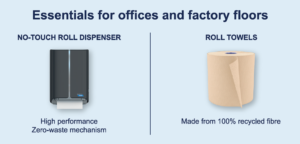
Cascades PRO offers a wide selection of solutions and products that meet user expectations and industry needs, From bathroom tissue rolls to paper hand towel dispensers, our offering is designed and manufactured according to environmental performance standards such as Green Seal®, FSC°, EcoLogo®, Green-e® and CMA.

Eco-design and life-cycle analysis of our products and their components are at the heart of our approach. We leave nothing to chance, and every detail is meticulously considered, from the choice of raw materials to the product’s end-of-life impact, including the supply chain.

With Cascades PRO, you can feel confident that you’re making a real impact.


Discover how our commitment to sustainability shapes the hygiene products  we design for your employees and clients: www.pro.cascades.com/sustainable-development


© Cascades Canada ULC, 18/04/2024, all rights reserved.

Edmonton wins three transportation awards

The City of Edmonton has won three 2024 Transportation Association of Canada (TAC) awards in recognition of the city’s dedication to building safer streets and climate resilient communities.

The city received the 2024 TAC Road Safety Achievement Award for its Speed Limit Reduction Initiative which reduced the default speed limit in Edmonton from 50 km/h to 40 km/h in 2021.

The city’s Strathcona Neighbourhood Renewal and Garneau Neighbourhood Renewal projects were recognized as the winners of the Climate Action Achievement Award for their efforts to mitigate emissions from traditional modes of transportation. City teams installed new traffic calming measures, enhancements to active transportation infrastructure (biking, walking and rolling), Low Impact Development (infrastructure designed to help slow the absorption of rain and snowmelt) and additional trees and shrubs.

City of Edmonton project engineer Maggie Boeske, won the 2024 Young Transportation Professional Award. This award recognizes work on the vision and implementation of The Bike Plan, The City Plan, Safe Mobility Strategy and updates to the Complete Streets Design and Construction standards for traffic calming and active infrastructure. Key highlights of Boeske’s nomination were bringing continuous crossings to Edmonton and implementing them throughout the 132 Avenue Collector Renewal Project.

“To have the City of Edmonton and our staff recognized for work on these important projects is an immense honour,” said Craig Walbaum, acting deputy city manager, integrated infrastructure services. “Ensuring everyone can get around their neighbourhoods and across the city safely, regardless of their mode of transportation, is crucial as we plan and build for a city of two million people.”


Commercial loans exempt from pending controls

New regulations clarify that most commercial loans are exempt from more stringent controls on interest rates that will come into force in 2025. Recent amendments to Canada’s Criminal Code, adopted as part of the 2023 Budget Implementation Act, lower the threshold of the legitimate lending rate from the current allowable 48 per cent on an annual percentage basis (APR) to 35 per cent APR.

The move was first promised in the 2023 budget as a means to crack down on predatory lenders and better ward against borrowers getting caught in a cycle of onerous debt. The criminal liability is attached to lenders (not borrowers), but the enabling legislation also provides for some exemptions.,

The new regulations designate borrowers of mid-sized to large commercial loans as outside the government’s intent to protect potentially vulnerable individuals and their dependents. “Commercial loans do not trap Canadians in a cycle of debt as they are extended to commercial entities, not individual Canadians,” the accompanying regulatory analysis states.

It acknowledges that parties to commercial loans generally understand the trade-off of risks to return, and that high interest rates may be necessary to attract capital investment to ventures that could have spinoff benefits for the broader economy. The new regulations leave the 48 per cent APR threshold in place for commercial loans valued between $10,000 and $500,000 and remove all criminal limits on loans that exceed $500,000.

The retention of the 48 per cent APR criminal threshold for lower valued loans is framed as a measure to provide some protection “particularly for small business borrowers”, while also affording them more flexibility to secure financing that may not be available at the lower 35 per cent APR stipulated for individual borrowers. Meanwhile, commercial loans valued at less than $10,000 are considered a relative rarity and a potential loophole for predatory lenders to enter in the absence of controls.

“Commercial loans below $10,000 will be subject to the new criminal interest rate to disincentivize lenders from manipulating regulatory exemptions and circumventing the criminal rate by issuing consumer loans as commercial loans,” the regulatory analysis states. “Commercial loans valued above $500,000 will not be subject to the criminal interest rate. This is to avoid contractual frictions and ensure healthy and productive investments in areas of venture capital and private equity.”

