


Availability, visibility and accessibility are key goals of a push to expand Vancouver’s network of washrooms for public use and make it easier for prospective patrons to find them. Earlier this winter, Vancouver City Council endorsed a new strategy that also identifies private landlords and a broader range of public facility providers as potential partners.
This builds on a portfolio of 165 municipally operated public washrooms, of which the majority (129) are located in city parks. The Vancouver Public Library is the next most common host site, with washrooms in its 21 branches. In future, the strategy envisions that there will be “reasonable access” to “clean, safe, accessible and dignified washrooms” with consideration for the needs of seniors, people with disabilities, health conditions or inadequate access to shelter, families with young children and shift workers.
“In most neighbourhoods, reliable daytime washroom access can be achieved through City, Park Board, Vancouver Public Library, TransLink and private providers (e.g. malls, cafes), supported by appropriate planning, investment and coordination to ensure consistency and accessibility across the network,” states a report from Vancouver’s deputy city manager, Sandra Singh. “In the current fiscal environment, actions will focus primarily on strengthening partnerships and investing in the most impactful initiatives within existing budgets, while identifying opportunities for future regulatory or funding tools to support long-term system improvements for future Council consideration.”
Existing funds in the City’s 2026 operating budget will underwrite the program launch this year. To begin, the strategy will prioritize:
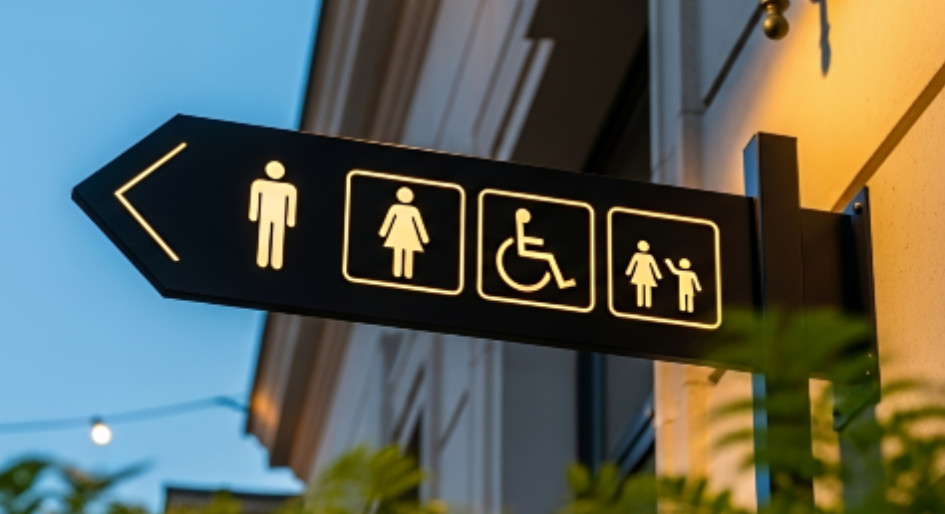
- wayfinding, including the development of a digital directory of washroom locations and consistent physical signage;
- accessibility in privately managed washroom facilities that are available for public use, through advocacy, provision of guidance materials and expert resources and potentially linking requirements to development/buildings approvals and incentives; and
- technology pilots and installations, such as auto-locking systems in line with universal design principles and the further rollout of the reverse-motion sensors that help to detect unconscious patrons in the Vancouver Public Library’s washroom facilities.
The City’s capital projects will be assessed for opportunities to integrate new washroom facilities and/or accessibility improvements, and staff will prepare advice to Council on “alternative models” for delivering more publicly available facilities in partnership with the private sector, service agencies, community and faith-based organizations. As well, the City will advocate for sustained provincial funding.
“To guide implementation, the Framework recognizes the three primary levers available to Council — investing, regulating and partnering — as complementary ways to enhance washroom access for the public,” the City report observes.
City staff are expected to report back to Vancouver Council this fall with an update on this year’s progress and proposals for 2027.