



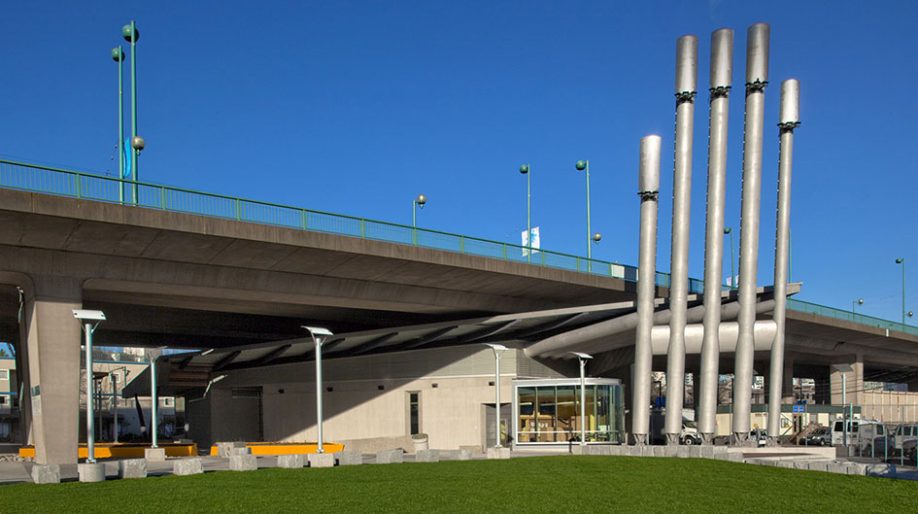
A major expansion to the False Creek Neighbourhood Energy Utility (NEU) in Vancouver is complete, tripling the NEU’s sewage heat recovery capacity.
The expansion supports the growing NEU network which supplies low carbon heating to 47 buildings, representing more than 10,000 residents, Emily Carr University, Creekside Community Centre and several local businesses.
The NEU provides a centralized heating source for people living in Southeast False Creek, parts of Mount Pleasant and False Creek Flats. Instead of individual buildings using traditional heating systems such as furnaces or boilers, they are connected to the NEU, which features sewage-to-water heat pumps that provide low carbon heating generated primarily from waste sewage heat.
The new sewage-to-water heat pumps produce hot water at efficiencies of more than 300 per cent ensuring buildings stay warm, even on the coldest days of the year.
“The False Creek Neighbourhood Energy Utility (NEU) is a great example of Vancouver’s ingenuity – we’ve literally turned raw sewage into an energy resource for the community,” said Mayor Ken Sim. “Energy that would have been wasted down the drain is now heating commercial and residential spaces in parts of our most densely populated neighbourhoods.”
The expansion introduced two new sewage-to-water heat pumps, adding 3.3 megawatts of heating capacity each. The heat pumps deliver more than three units of thermal energy for every unit of electricity used, requiring less reliance on BC Hydro’s Integrated Power Grid. During the expansion, upgrades were also made to the NEU’s control systems while adding new sewage screening equipment, all of which will support a reliable and resilient energy supply.
“The False Creek Neighbourhood Energy Utility is a smart, sustainable solution that demonstrates how cities can take meaningful action to reduce greenhouse gas emissions,” said the Honourable Hedy Fry, Member of Parliament for Vancouver Centre. “By capturing waste heat from sewage, Vancouver is showing leadership in building resilient, climate-conscious communities that are shaping a cleaner, greener future.”
The total cost of the project is approximately $20 million.