



As winter rapidly approaches, many maintenance managers are busy winterizing their buildings to keep the heat in and the cold out. Not only will this keep tenants and employees more comfortable, but it will also save on heating costs and improve building performance.
There are several things maintenance managers can do to keep the cold out of the building and save money this season:
- As part of your seasonal HVAC maintenance, check for any issues, clean all heating equipment, replace filters, and lubricate moving parts to ensure optimal performance. If your unit is old, consider upgrading to a high-efficiency unit or adding that into your budget planning.
- Test and calibrate thermostats if necessary to ensure that your temperature control is accurate through the colder months.
- Inspect ductwork for leaks and seal as required to minimize heat loss and improve energy efficiency.
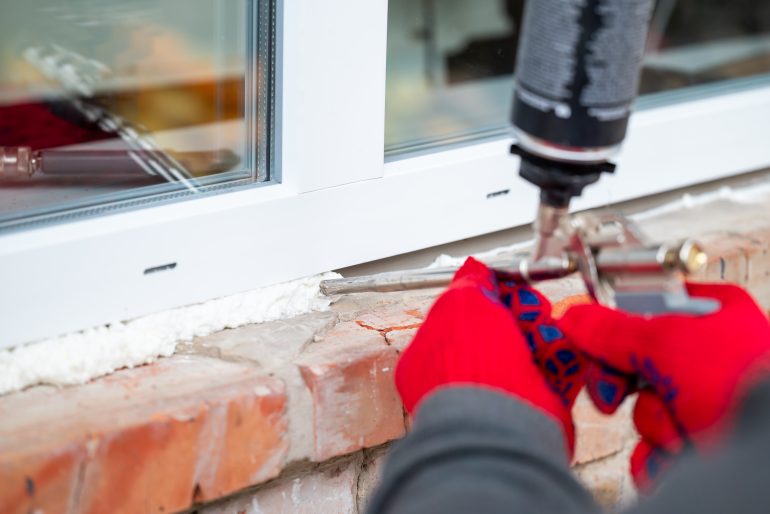
- Experts estimate that by properly sealing air leaks, maintenance managers can reduce heating and cooling costs by up to 20 per cent. Assess your building envelope for leak points in the window and door frames, utility penetrations, and joints where surfaces meet. Use appropriate sealants to close the gaps, including caulking, weatherstripping, expandable foam, and specialized tapes for ductwork and HVAC connections.
- If windows and doors are old, performance could be an issue, and upgrades like double or triple-pane windows with low-E coatings can help reduce air leakage and keep the heat in. Similarly, door systems with effective weatherstripping, storm windows, or thermal curtains for existing windows can all help optimize performance.
- Modern window technologies incorporate gas fills, thermal breaks, and specialized glazing that dramatically outperform older units. If replacement isn’t practical, consider investing in window films and interior storm panels that can enhance performance.
- Your door upgrades should focus on tight seals, proper thresholds and, where appropriate, vestibule arrangements that create air locks at frequently used entrances. These improvements reduce air infiltration during operation while maintaining accessibility.
- Consider upgrading insulation where applicable. Choose from options like fibreglass, mineral wool, spray foam, rigid foam boards, and eco-friendly alternatives like cellulose, depending on where it is required.
As temperatures cool, maintenance managers focusing on eliminating heat loss will offer a better interior environment, improve building performance and cut down on heating costs.