



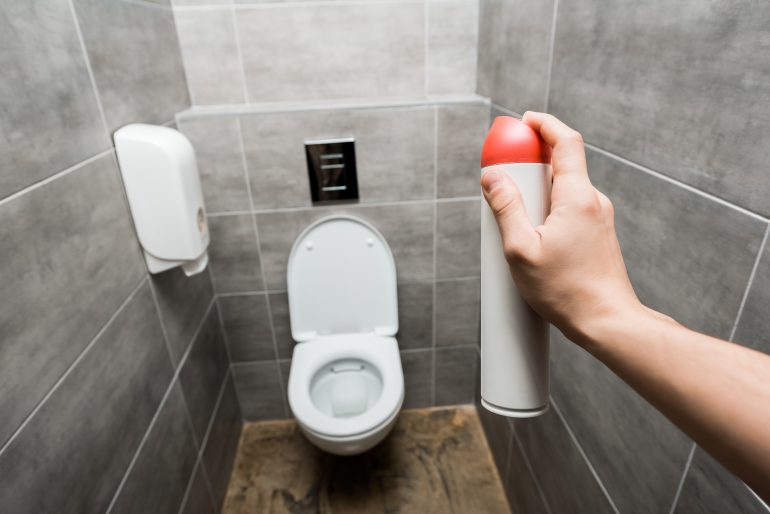
Hygiene has become a critical component of restroom cleanliness in recent years, but what role does scent play? While it may seem like common sense to try to offer fresh-smelling restrooms, knowing which scents improve the users’ impression of your business can help you offer a better customer experience.
Studies show that 76 per cent of people associate bad odours with dirt and germs, and a bad smell in a restroom can negatively affect the overall experience a user has with your business. Restroom experience can also impact your business internally, as more and more employees are concerned with the indoor air quality at the workplace. Focusing on providing a positive, hygiene-focused experience can leave a lasting impression on guests and staff.
“Scent is one of the fastest ways users form an impression of cleanliness and care, especially in washrooms where hygiene expectations are high,” said Matt Wonnacott, Founder of Ennovamark. Wonnacott’s recent research provides insight into how restroom scent influences the perception of a company’s hygiene and helps shape the impression users form about your business.
Users don’t trust overly sweet or synthetic scents: Floral or heavy perfume-like scents often create the suspicion that they are trying to mask poor smells.
Scent can reduce restroom complaints: Companies with low-volume, continuous scent diffusion received an average of 22 per cent fewer cleanliness complaints, with users reporting higher confidence in maintenance, ventilation, and air quality.
Scent is associated with hygiene: Clean-coded scents like citrus, herbal-green, and light mineral improve the impression of cleanliness by up to 40 per cent, without any change to cleaning routines.
Scent influences user behaviour: When restrooms smell clean, users treat their surroundings better, becoming less likely to litter, leave waste, or behave carelessly. Beyond the perception of hygiene, this suggests scent can help define user behaviour and benefit staff workload.
This research provides evidence that restroom scent is an important part of cleaning and maintenance, affecting user experience and the perception of your business. Facility managers and cleaning staff should focus on selecting a successful scent and avoid over-scenting to improve perceived cleanliness, efficiently manage labour, and provide a positive restroom experience.