



Facility flooring can be costly, and today’s maintenance and facility managers need to take a proactive approach to save money, work towards ESG goals, and ensure durability throughout the year. Considering factors like facility use, weather, sustainability, safety, and maintenance can help managers make informed decisions that benefit the bottom line.
Facility use: If you operate a facility that experiences high traffic, such as a warehouse or a busy office, this is a crucial consideration for the maintenance and longevity of your flooring. Choose a floor that will withstand its use. Be careful to choose commercial grade for the most durability, as this is likely the most important factor, but there may be other factors to consider, such as reducing noise, rapid cleaning time, and limiting allergens, depending on the needs of your facility.
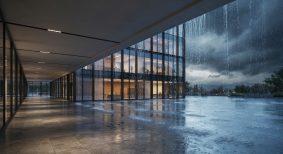
Weather: You may need to adjust your flooring choice and maintenance schedule, based on your climate. For example, if your space is exposed to the sun, discolouration can occur. If it’s very humid, flooring can expand and contract, causing warping or buckling. Shifting temperatures can weaken adhesion, and moisture can lead to mould and mildew, along with being slippery, and salt and sand can erode the surface of your flooring. Consider the climate and weather when making flooring choices to keep it in great shape and lasting as long as possible.
Sustainability: Innovation in flooring continues to make options more sustainable, including products made from recycled materials or from renewable resources like bamboo, cork, and linoleum. Be vigilant in researching flooring that aligns with your ESG goals to avoid “greenwashing,” and invest in products that really provide eco-friendly options. Look for third-party certifications, which help ensure sustainable claims like low VOCs or circular economy practices. Consider the maintenance required and predicted longevity of the flooring to stay sustainable and choose budget-friendly, long-term options for your business.
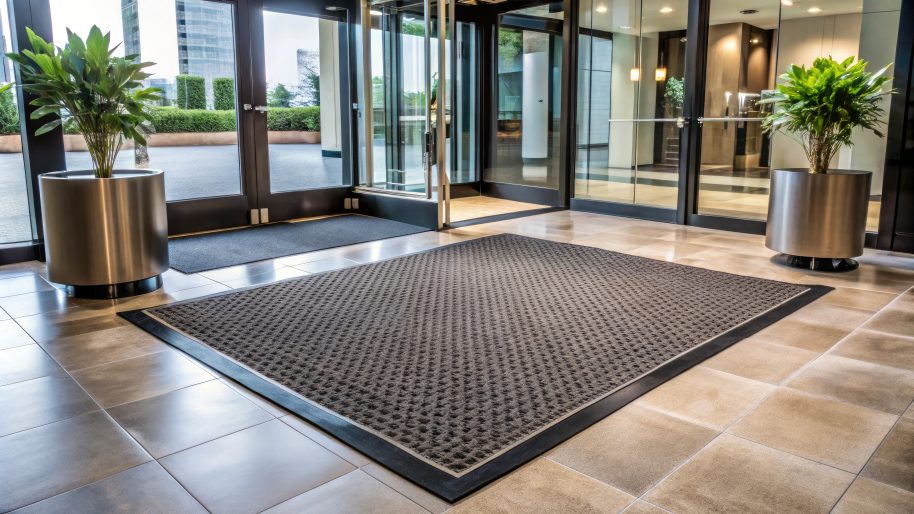
Safety: You may want to consider non-slip flooring or a coating to minimize the risk of slip and fall accidents and make it safer for traffic when the weather makes floors wet and slippery. Once your floors have been installed, options like matting can also help soak up some of the moisture and provide a non-slip area for staff and visitors, along with absorbing some of the water to protect your flooring from water, salt, and ice melter through the winter. Ensure that you change your matting as needed to enhance safety while helping to lengthen the lifespan of your flooring.
When choosing flooring for your facility or planning a maintenance schedule, look at the options from all angles to make a smart decision that works for your building and your business.